The rise of direct-to-film (DTF) printing has revolutionized the customization landscape, and a dtf printer for home use is at the forefront of this transformation. No longer limited to large-scale operations, individuals and small businesses can now create professional-quality, full-color prints on a variety of fabrics with relative ease and affordability. This opens up exciting possibilities for entrepreneurs, hobbyists, and anyone looking to personalize apparel, accessories, and more.
The growing demand for personalized products, coupled with advancements in DTF technology, makes understanding the capabilities of a dtf printer for home use increasingly relevant. Market research indicates a consistent upward trend in the custom apparel market, driven by the desire for unique expression and the accessibility of on-demand production. This trend is fueled by both consumer demand and the convenience offered by at-home printing solutions.
Investing in a dtf printer for home use empowers creators, bypasses minimum order quantities often required by traditional printing services, and provides complete control over the design and production process. It’s a powerful tool that's changing how people approach apparel decoration and opens doors to exciting new business ventures.

The Core Principles of dtf printer for home use
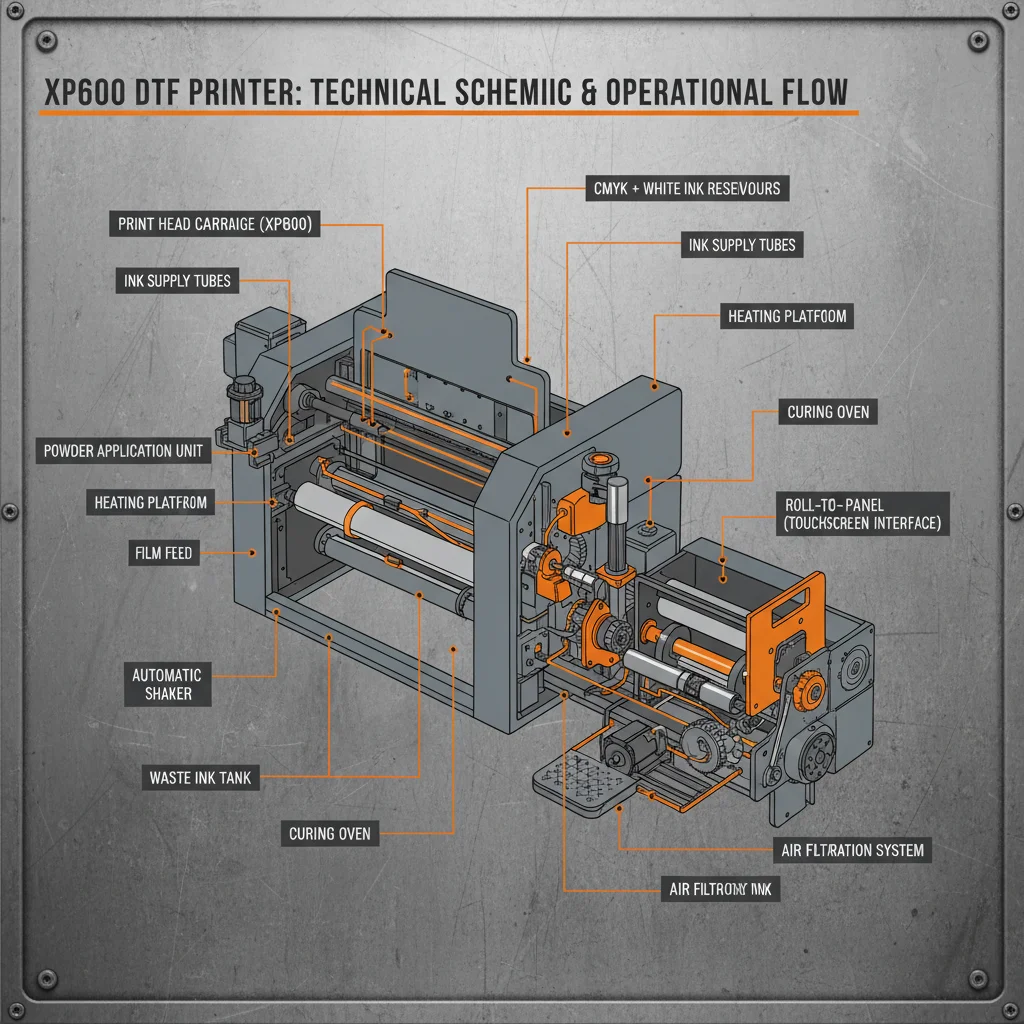
At its heart, a dtf printer for home use relies on a straightforward but powerful process: printing a design onto a specialized film, applying an adhesive powder, and then heat-pressing the film onto the fabric. This method eliminates the need for cutting intricate designs (as required by vinyl) and allows for printing on a wider range of materials, including dark fabrics.
The quality of the final product hinges on several factors, including the printer’s resolution, the type of ink used, and the precise application of heat and pressure. Understanding these core principles allows users to optimize their prints and achieve professional results consistently.
The Global Reach of dtf printer for home use
The adoption of dtf printer for home use technology is experiencing rapid growth worldwide. While initially popular in North America and Europe, its accessibility and cost-effectiveness are driving demand in emerging markets in Asia, South America, and Africa. The UN estimates that small and medium-sized enterprises (SMEs) contribute significantly to global employment, and DTF printing empowers these businesses to offer customized products and compete effectively.
This global expansion is fueled by the increasing desire for personalized goods and the rise of e-commerce platforms that connect creators with customers worldwide. The ability to produce small-batch, customized orders on demand addresses a critical gap in the market.
Furthermore, DTF printing's lower environmental impact compared to some traditional methods makes it an attractive solution in regions prioritizing sustainable practices. This technology is also becoming more common in educational settings, providing students with valuable skills for the modern workforce.
Defining dtf printer for home use
A dtf printer for home use is essentially a specialized inkjet printer designed to print designs onto PET film. This film then undergoes a process of applying a hot melt adhesive powder, and finally, the design is transferred to the garment using a heat press. It's a complete system that provides a relatively straightforward path to high-quality, durable prints.
Unlike traditional screen printing, DTF requires minimal setup and doesn't necessitate the creation of screens for each color. This makes it ideal for smaller print runs, custom designs, and on-demand production. It differs from direct-to-garment (DTG) printing in its ability to print on a wider variety of fabrics and its greater durability on dark garments.
Its connection to modern industry lies in its facilitation of mass customization and micro-manufacturing. The technology caters directly to the growing trend of personalization, allowing individuals and businesses to create unique products without the constraints of traditional manufacturing processes.
Key Features of a dtf printer for home use
One crucial feature of a dtf printer for home use is its printhead technology. High-resolution printheads ensure sharp, detailed prints. Another important aspect is the ink compatibility; using high-quality, pigment-based DTF inks is essential for vibrant colors and washability.
Furthermore, the printer’s software plays a key role in color management and design optimization. Features like RIP (Raster Image Processor) software allow for precise control over print settings and color profiles.
Feature Comparison of dtf printer for home use Models
Practical Applications of dtf printer for home use
The applications of a dtf printer for home use are incredibly diverse. From creating custom t-shirts and hoodies to personalizing tote bags, hats, and even shoes, the possibilities are limited only by your imagination. Small businesses can use it to create branded merchandise, offer custom apparel for events, or fulfill individual customer orders.
In post-disaster relief operations, DTF printing could be used to quickly produce branded clothing for aid workers or create awareness materials. In remote industrial zones, it can offer on-site customization of workwear and safety apparel, reducing lead times and logistics costs.
The Benefits of Utilizing dtf printer for home use
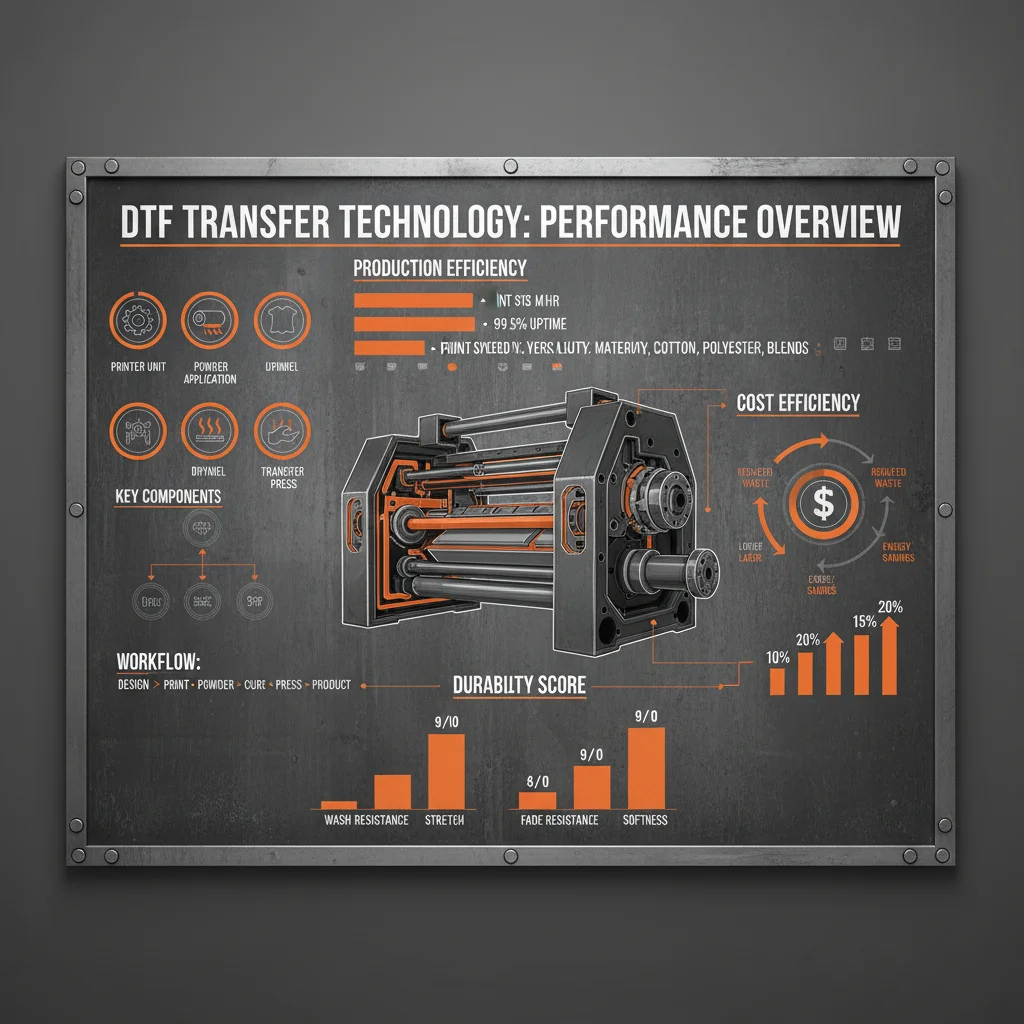
The most tangible benefit of a dtf printer for home use is cost efficiency. Eliminating the need for screens, setup fees, and minimum order quantities significantly reduces the per-item cost, especially for small batches. It's also a sustainable option, as it minimizes waste compared to some traditional methods.
Beyond the financial advantages, DTF printing offers greater creative freedom and control. The ability to print intricate designs with vibrant colors on a wide range of fabrics empowers users to bring their visions to life with ease and confidence.
Furthermore, DTF printing fosters innovation and entrepreneurship. It enables individuals to launch small businesses with low startup costs and empowers them to offer unique, personalized products that stand out in a crowded market.
Future Trends in dtf printer for home use Technology
The future of dtf printer for home use is promising, with ongoing innovations focused on improving print quality, speed, and sustainability. We can expect to see advancements in ink formulations, leading to more durable and eco-friendly prints.
Integration with automation technologies, such as robotic film loading and unloading systems, will streamline the production process and increase efficiency. Digital transformation will also play a key role, with cloud-based design tools and online order management platforms becoming increasingly integrated with DTF printers.
The development of more sustainable materials, such as biodegradable PET film and bio-based inks, will further reduce the environmental impact of DTF printing. These innovations will solidify its position as a leading solution for on-demand textile decoration.
Summary of Key Challenges and Solutions for dtf printer for home use
| Challenge | Impact on dtf printer for home use | Potential Solution | Implementation Cost (1-10) |
|---|
| Ink Clogging | Reduced print quality, wasted ink | Regular printer head cleaning, use of high-quality inks | 2 |
| Film Waste | Environmental impact, increased costs | Optimizing print layouts, exploring biodegradable film options | 5 |
| Adhesive Powder Application | Uneven coating, poor adhesion | Automated powder coating machines, improved application techniques | 7 |
| Color Accuracy | Prints not matching original designs | Color calibration using ICC profiles, use of high-quality inks | 4 |
| Heat Press Consistency | Variable print adhesion, potential for damage | Automated heat press machines with precise temperature and pressure control | 8 |
| Software Compatibility | Difficulties with design import and editing | Using widely compatible design software, utilizing RIP software for optimized printing | 3 |
FAQS
While DTF printing is generally user-friendly, there’s a learning curve involved in mastering the process. It requires understanding of software, color management, film handling, and heat pressing. However, with readily available online tutorials, guides, and community support, most beginners can achieve good results within a few days of practice. Starting with simple designs and gradually increasing complexity is a recommended approach.
One of the biggest advantages of DTF printing is its versatility. You can print on a wide range of fabrics, including cotton, polyester, blends, nylon, denim, and even leather. Unlike some other methods, DTF doesn't require pre-treatment for most fabrics, making it a convenient option for diverse projects. The prints also maintain their vibrancy and durability even on dark-colored materials.
DTF prints are known for their excellent durability. When using high-quality inks and proper heat pressing techniques, prints can withstand numerous washes without significant fading or cracking. The adhesive layer bonds strongly with the fabric, creating a lasting design. However, following fabric care instructions, such as washing garments inside out, will further extend the life of the print.
The running costs of a DTF printer include ink, film, adhesive powder, and electricity. Ink is typically the most significant ongoing expense. However, compared to other printing methods, DTF is relatively cost-effective, especially for small-batch printing. The exact cost per print will vary depending on the design size, ink coverage, and material costs.
Yes, absolutely! A dtf printer for home use is a fantastic option for creating custom apparel for resale. It allows you to offer personalized products, fulfill on-demand orders, and build a profitable business with relatively low startup costs. You'll need to comply with any relevant business licensing and tax regulations in your area.
Regular maintenance is crucial for ensuring optimal performance and longevity. This includes daily printhead checks and cleaning, periodic flushing of the ink lines, and keeping the printer clean and dust-free. Following the manufacturer's recommendations for maintenance procedures will help prevent clogging and ensure consistent print quality. Regular cleaning extends the life of your investment.
Conclusion
In conclusion, a dtf printer for home use represents a powerful and versatile tool for individuals and small businesses looking to enter the world of custom apparel and textile decoration. Its ease of use, cost-effectiveness, and ability to print on a wide range of fabrics make it a compelling alternative to traditional methods. By understanding the core principles, exploring its applications, and embracing ongoing innovations, you can unlock its full potential and create truly unique and personalized products.
As DTF technology continues to evolve, we can expect to see even greater advancements in print quality, sustainability, and automation. Embracing these advancements will be key to staying competitive in the dynamic world of personalized manufacturing. Visit our website at www.silkscreenprintingsupply.com to learn more about how a DTF printer can transform your creative vision into reality.