The world of customized apparel and product decoration is constantly evolving, and the dtf transfer machine represents a significant leap forward. This technology allows for vibrant, durable, and highly detailed designs to be applied to a wide range of fabrics and materials, democratizing the customization process for businesses of all sizes. The growing demand for personalized items, coupled with the efficiency and versatility of DTF transfer technology, has positioned it as a key player in the modern manufacturing landscape.
The global textile printing market is substantial and expanding, with projections indicating continued growth driven by fast fashion, increasing consumer demand for customized products, and advancements in printing technology. Direct-to-film (DTF) transfer printing is rapidly gaining market share due to its advantages over traditional methods like screen printing and direct-to-garment (DTG) printing, particularly for smaller production runs and complex designs. Statistics demonstrate a clear trend towards digital textile printing, and DTF is at the forefront of this evolution.
This growing adoption of DTF technology addresses a critical challenge in the apparel industry: the need for cost-effective, high-quality customization without the limitations of minimum order quantities or complex setup procedures. Furthermore, the ability to print on a broader range of fabrics, including those difficult for traditional methods, expands creative possibilities and market opportunities. The dtf transfer machine truly empowers businesses to meet the ever-changing demands of the modern consumer.
The Core Principles of dtf transfer machine
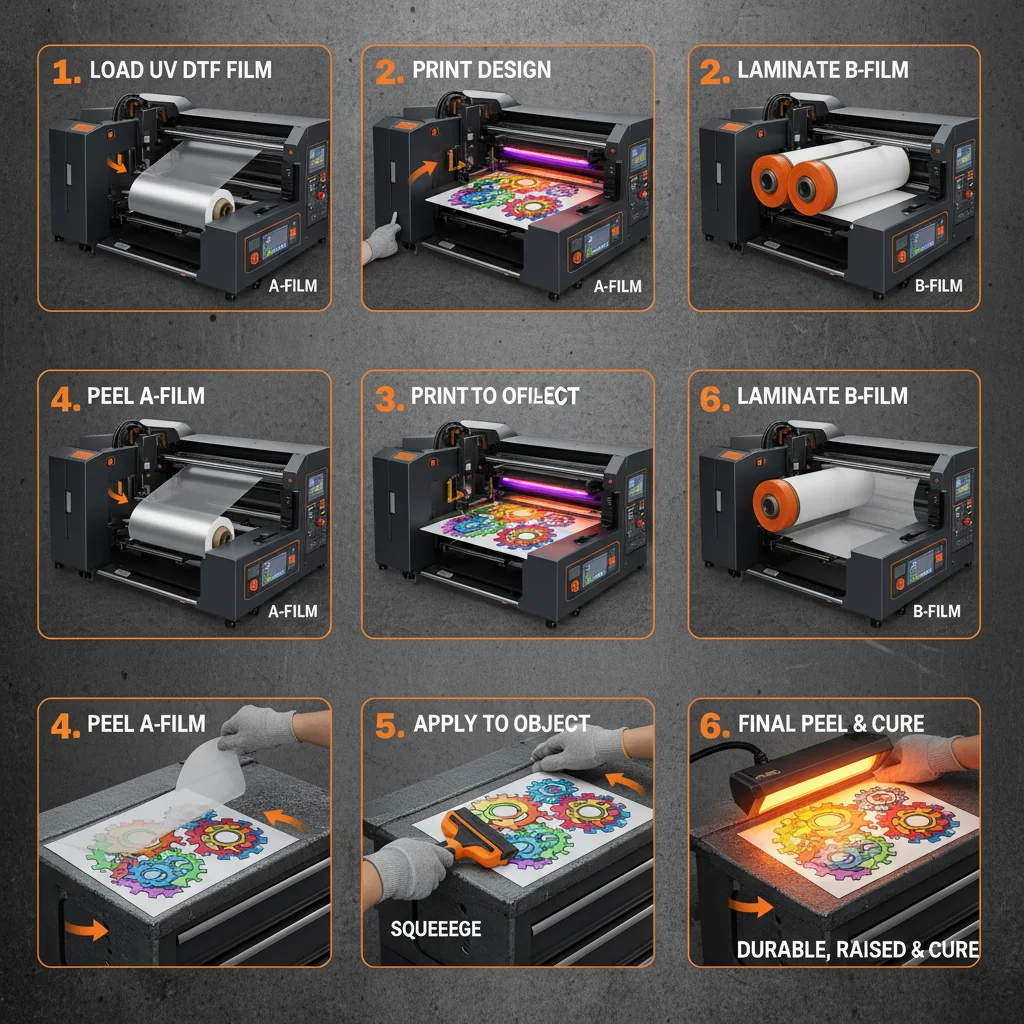
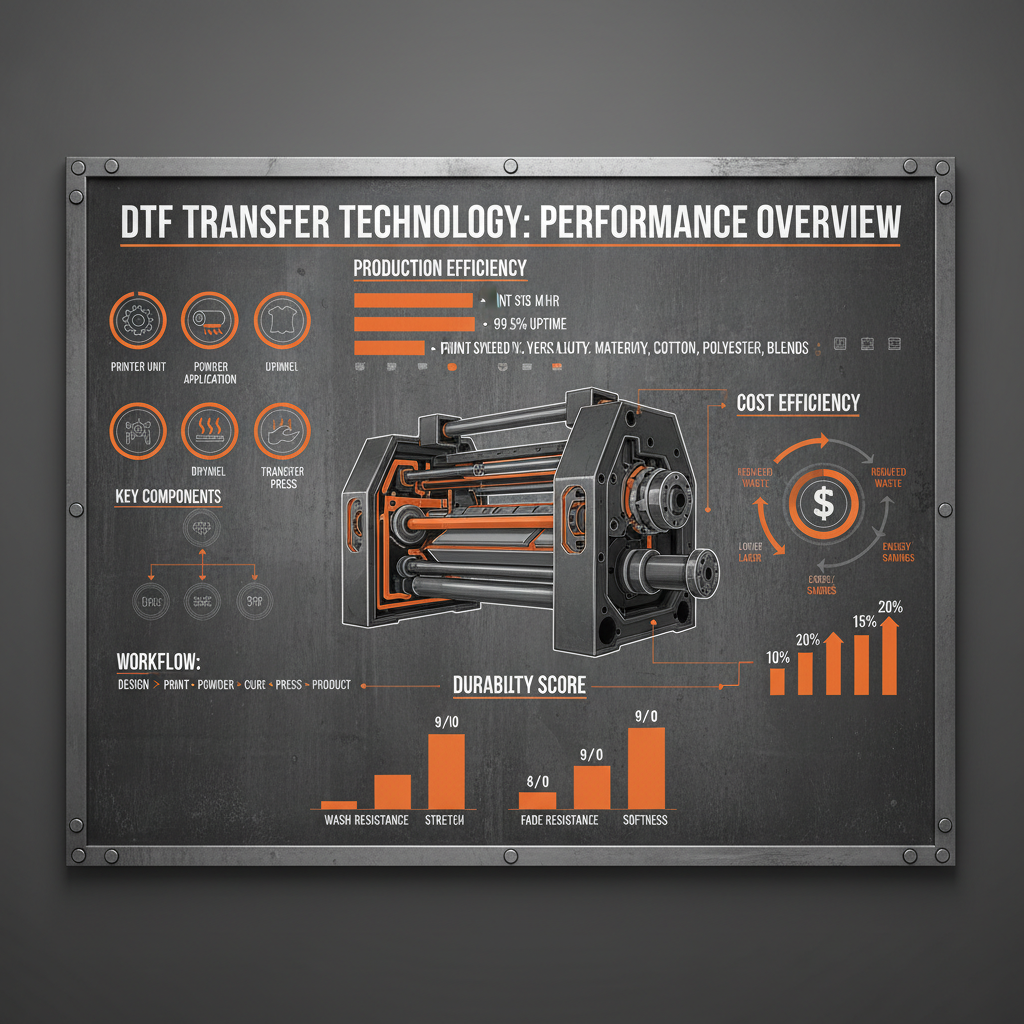
At its core, the dtf transfer machine process involves printing a design onto a specialized film, applying a hot melt adhesive powder, and then transferring the design onto the target substrate using heat and pressure. This method offers significant advantages over traditional techniques, including the ability to print on a wider variety of fabrics, achieve higher detail, and reduce setup costs. Understanding these principles is key to maximizing the efficiency and quality of your DTF printing operations.
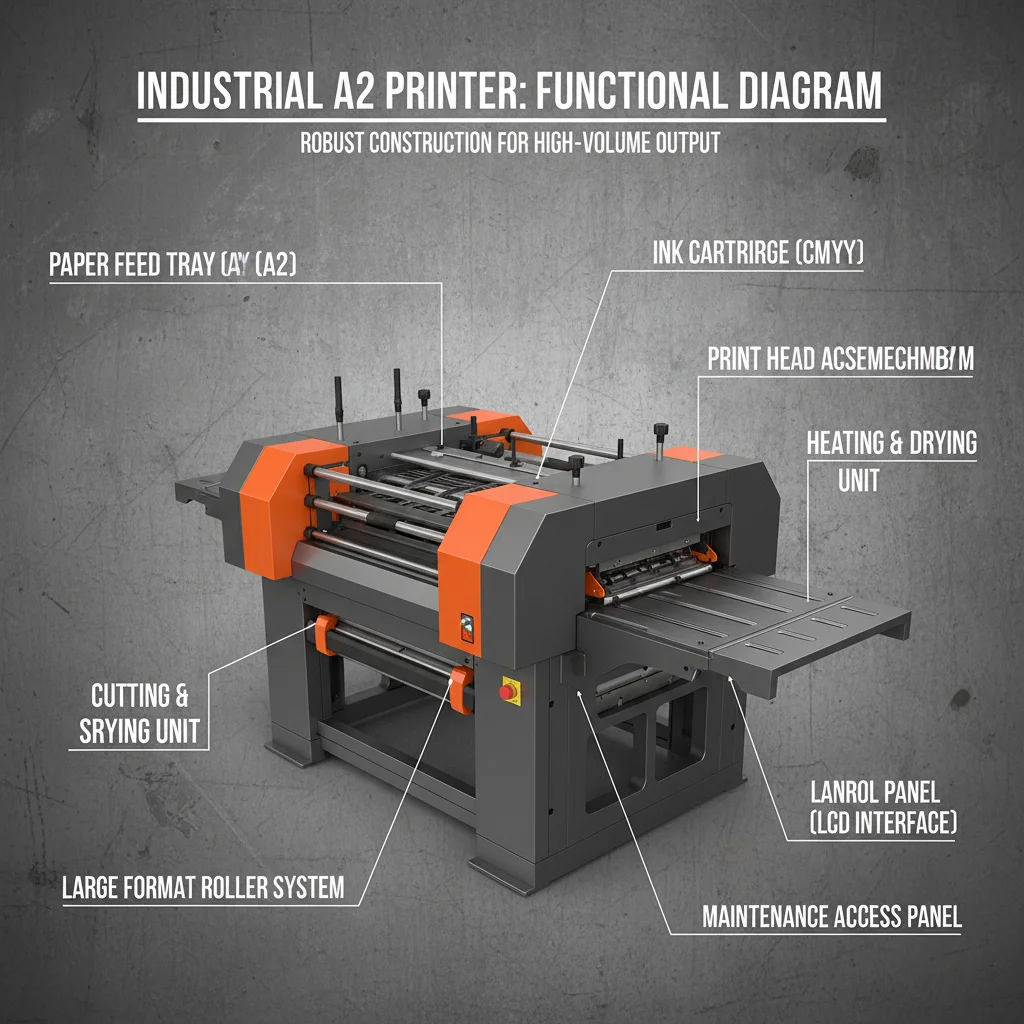
The success of DTF printing hinges on the interplay of several key components: the printer itself, the specialized DTF inks, the adhesive powder, the transfer film, and the heat press. Each element plays a crucial role in the final outcome, and choosing high-quality materials is paramount for achieving professional-grade results. A well-maintained dtf transfer machine and appropriate materials are essential for consistent, reliable production.
The Global Impact of dtf transfer machine
The dtf transfer machine is having a significant impact on the global textile printing industry, particularly in regions with growing apparel manufacturing sectors like China, Bangladesh, and Vietnam. These countries are adopting DTF technology to improve efficiency, reduce costs, and offer greater customization options to their clients. The demand for personalized apparel is driving this growth, as brands seek to cater to increasingly individualistic consumer preferences.
Beyond apparel, DTF transfer technology is also gaining traction in other industries, such as advertising and promotional materials. The ability to print on a variety of substrates, including bags, hats, and even hard surfaces, opens up new possibilities for branding and marketing campaigns. This versatility makes the dtf transfer machine a valuable asset for businesses across diverse sectors.
The accessibility of DTF technology also allows smaller businesses and entrepreneurs to enter the customized product market, fostering innovation and competition. This democratization of printing has shifted power dynamics within the industry, empowering smaller players to compete with larger established brands.
Defining dtf transfer machine Technology
Direct-to-Film (DTF) transfer printing is a process where a design is printed onto a PET film using specialized water-based inks. These inks are then coated with a hot-melt powder adhesive, creating a transfer that can be applied to a variety of fabrics using heat and pressure. Unlike Direct-to-Garment (DTG) printing, DTF doesn't require pre-treatment of the garment, making it a more efficient and versatile option. The dtf transfer machine is specifically designed for this process.
The key difference between DTF and other transfer methods, such as heat transfer vinyl (HTV), lies in the quality and durability of the print. DTF prints are significantly softer to the touch and more resistant to fading and washing. This is due to the water-based inks and the adhesive powder bonding directly to the fabric fibers. This improved print quality is a major driver behind the adoption of DTF technology.
The entire process, from design creation to final transfer, is relatively straightforward, making the dtf transfer machine accessible to both experienced printers and newcomers to the industry. The relatively low startup costs compared to other printing methods further contribute to its growing popularity.
Key Factors Influencing dtf transfer machine Performance
Several factors significantly impact the performance of a dtf transfer machine. Ink quality is paramount; using high-quality, pigmented inks ensures vibrant colors and excellent wash fastness. The type of adhesive powder also plays a crucial role, affecting the bonding strength and overall durability of the print.
Precise temperature and pressure control during the heat pressing stage are essential for a successful transfer. Inconsistent heat or pressure can lead to poor adhesion, cracking, or fading. Proper maintenance of the machine, including regular cleaning of the print heads and calibration, is also critical for optimal performance.
dtf transfer machine Performance Metrics
Global Applications and Use Cases for dtf transfer machine
The dtf transfer machine finds applications in a multitude of industries. In the apparel sector, it’s used for customizing t-shirts, hoodies, and sportswear with intricate designs and logos. The fashion industry utilizes it for creating unique prints on fabrics for clothing lines.
Beyond apparel, DTF transfer printing is also employed in the production of promotional merchandise, such as tote bags, hats, and banners. Advertising agencies leverage this technology to create branded items for events and marketing campaigns. In remote industrial zones, the portability and ease of use of DTF machines allows for on-demand customization and small-batch production.
Advantages and Long-Term Value of dtf transfer machine
The dtf transfer machine offers a compelling value proposition. Its cost-effectiveness, particularly for small to medium production runs, makes it an attractive alternative to traditional printing methods. The reduced setup time and minimal waste contribute to lower overall costs. The durability and wash fastness of DTF prints ensure a long-lasting product, enhancing customer satisfaction.
From a sustainability standpoint, DTF printing utilizes water-based inks, which are more environmentally friendly than solvent-based inks used in some other printing processes. The ability to print on demand minimizes overproduction and waste, further reducing the environmental impact. The long-term reliability and efficiency of DTF technology represent a significant investment for businesses looking to streamline their production processes.
Future Trends and Innovations in dtf transfer machine
The future of dtf transfer machine technology is focused on increased automation, improved ink formulations, and enhanced substrate compatibility. We can anticipate the development of machines with automated powder application and curing systems, streamlining the production process further. Research is ongoing to create more environmentally friendly and biodegradable adhesive powders.
The integration of artificial intelligence (AI) and machine learning (ML) into DTF printing workflows is also a likely trend. AI could be used to optimize print settings for different fabrics and designs, improving print quality and reducing waste. The development of inks that are compatible with a wider range of materials, including more sustainable fabrics, will further expand the applications of DTF technology.
Furthermore, advancements in digital printing technology are leading to higher resolution printers, enabling even more detailed and intricate designs to be achieved with dtf transfer machine systems. These innovations will continue to solidify DTF's position as a leading force in the textile printing industry.
Summary of Challenges and Potential Solutions for dtf transfer machine
| Challenge |
Impact on dtf transfer machine Performance |
Potential Solution |
Implementation Difficulty (1-5, 5=High) |
| Ink Clogging |
Reduced Print Quality, Downtime |
Automated Print Head Cleaning Systems, Regular Ink Flushing |
2 |
| Adhesive Powder Application Consistency |
Uneven Adhesion, Print Defects |
Automated Powder Coating Machines, Precise Powder Density Control |
3 |
| Substrate Compatibility |
Limited Fabric Choices, Poor Adhesion |
Development of Specialized Inks and Adhesive Powders for Specific Materials |
4 |
| Heat Press Precision |
Poor Adhesion, Cracking, Fading |
Digital Temperature and Pressure Control, Automated Heat Press Systems |
2 |
| Film Waste Management |
Environmental Impact, Disposal Costs |
Recyclable Film Materials, Optimized Printing Layouts to Minimize Waste |
3 |
| Color Accuracy |
Mismatch Between Design and Printed Output |
Color Calibration Software, ICC Profiles for Different Substrates |
1 |
FAQS
Prints created using a dtf transfer machine, when properly applied and cared for, can typically last for 30-50 washes or more. The longevity depends on factors like the fabric type, wash temperature, and detergent used. Using high-quality inks and powders significantly improves wash fastness. Proper heat pressing is also crucial for optimal adhesion and durability, ensuring the design remains vibrant and intact through numerous wash cycles.
DTF transfer printing excels on a wide variety of fabrics, including cotton, polyester, blends, nylon, and even leather. Unlike some other methods, DTF doesn’t require pre-treatment for most fabrics, making it highly versatile. However, fabrics with a very tight weave or highly textured surfaces may require adjustments to the heat press settings for optimal adhesion. The dtf transfer machine truly unlocks creative possibilities across diverse fabric types.
For small to medium production runs, DTF transfer printing is generally more cost-effective than DTG printing. DTG requires pre-treatment of garments, which adds to the cost and complexity. DTF eliminates this step, and the setup time is typically faster. However, for very large volume orders, DTG may become more competitive. The initial investment in a dtf transfer machine is also often lower than a high-quality DTG printer.
Regular maintenance is essential for optimal performance. This includes daily print head cleaning to prevent clogging, periodic flushing of the ink lines, and occasional calibration of the machine. Keeping the work area clean and free of dust is also crucial. The frequency of maintenance will depend on the usage volume. Following the manufacturer's recommendations for cleaning solutions and maintenance procedures will extend the lifespan of your dtf transfer machine.
Yes, DTF transfer printing is generally considered more environmentally friendly than some other methods. It utilizes water-based inks, which are less harmful than solvent-based inks used in some processes. The on-demand printing capability minimizes waste by eliminating the need to produce large quantities of pre-printed items. Furthermore, the development of recyclable film materials is ongoing, further reducing the environmental impact. The dtf transfer machine is aligned with sustainable printing practices.
Common issues include ink clogging, poor adhesion, and color inaccuracies. Ink clogging can be resolved with print head cleaning and ink flushing. Poor adhesion is often due to incorrect heat press settings or low-quality adhesive powder. Color inaccuracies can be addressed through color calibration and the use of appropriate ICC profiles. Consulting the dtf transfer machine manufacturer's documentation and online resources can provide valuable troubleshooting guidance.
Conclusion
In conclusion, the dtf transfer machine represents a paradigm shift in the world of customized apparel and product decoration. Its versatility, cost-effectiveness, and ease of use have made it a popular choice for businesses of all sizes, empowering them to meet the growing demand for personalized products. The technology continues to evolve, with ongoing innovations promising even greater efficiency and sustainability.
Looking ahead, the future of DTF printing is bright. Continued advancements in ink technology, automation, and substrate compatibility will further expand its applications and solidify its position as a leading force in the industry. We encourage you to explore the potential of dtf transfer machine and unlock new possibilities for your business. Visit our website at www.silkscreenprintingsupply.com to learn more and discover the perfect DTF solution for your needs.