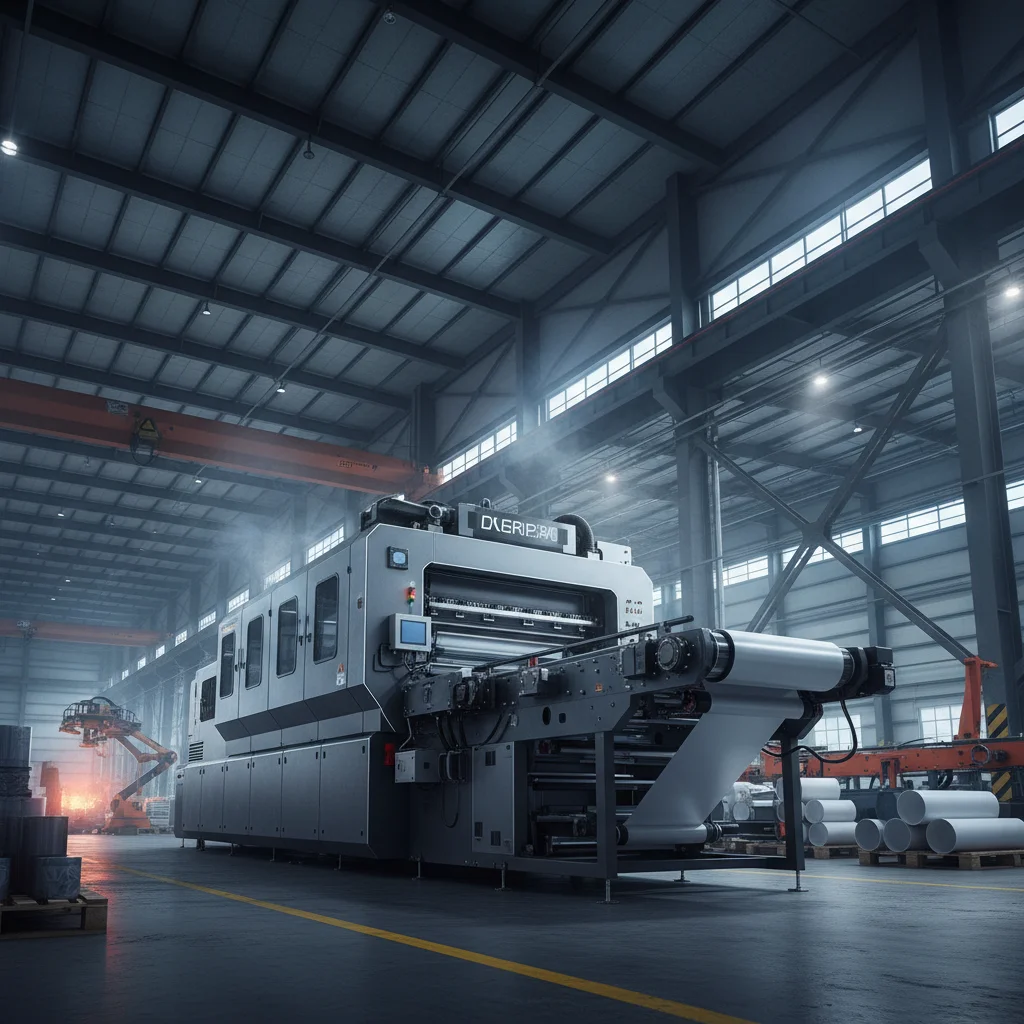
Direct-to-film (DTF) printers have revolutionized the textile printing industry, offering a versatile and cost-effective solution for a wide range of applications. These innovative printers utilize a specialized film and adhesive powder to create vibrant, durable, and high-resolution prints on various fabrics, making them increasingly popular for both small businesses and large-scale production facilities. The growing demand for personalized apparel and on-demand printing has further propelled the adoption of dtf printers globally.
The global textile printing market is experiencing significant growth, driven by factors such as increasing disposable incomes, evolving fashion trends, and the demand for sustainable printing solutions. According to a report by Grand View Research, the global textile printing market size was valued at USD 17.91 billion in 2022 and is projected to reach USD 27.29 billion by 2030, exhibiting a CAGR of 5.3% during the forecast period. DTF printing addresses the need for flexibility and customization in this expanding market.
Traditional screen printing, while still widely used, can be costly and time-consuming for short runs and complex designs. DTF printers offer a compelling alternative, allowing for full-color, high-detail prints with minimal setup and waste. This makes them particularly attractive for businesses offering custom apparel, promotional products, and personalized gifts.
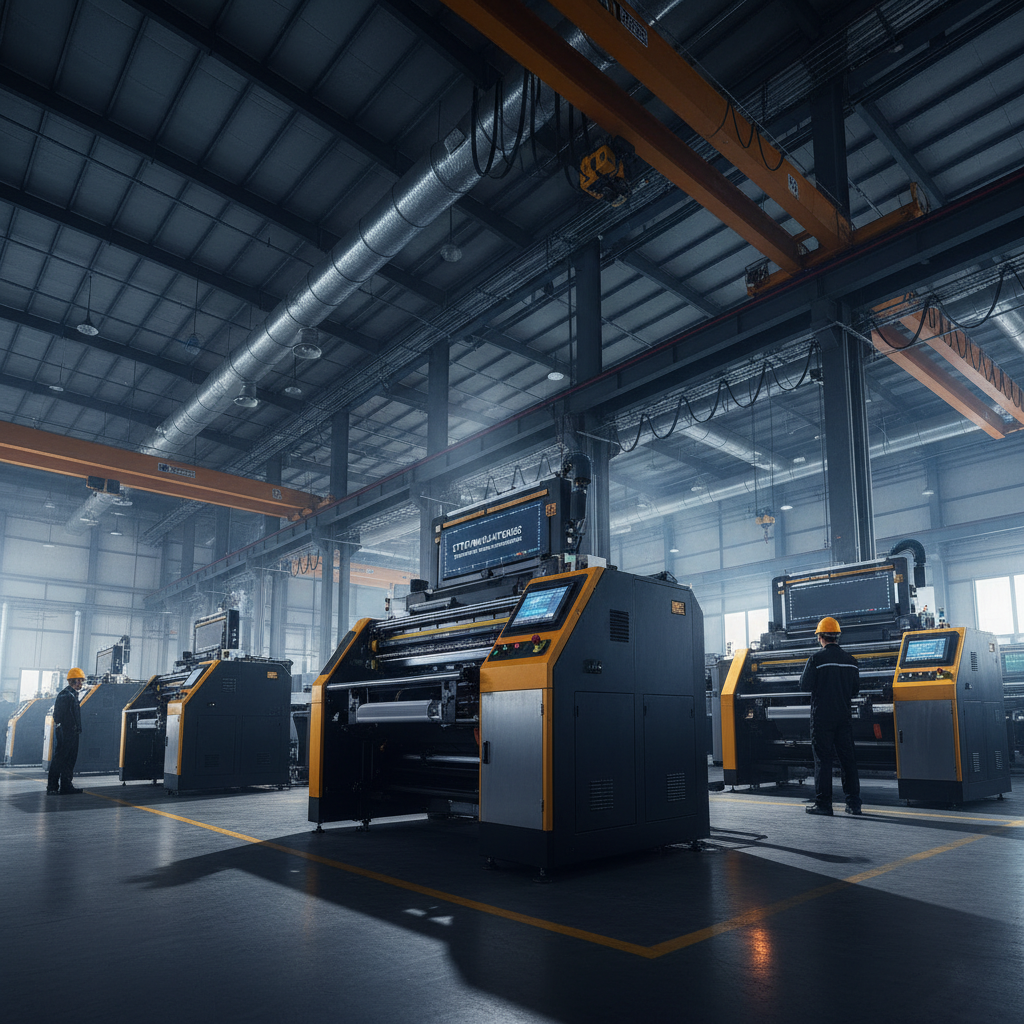
Introduction to dtf printers
DTF printing represents a significant advancement in textile decoration, offering a bridge between the accessibility of heat transfer vinyl and the quality of screen printing. It’s become a cornerstone for entrepreneurs, hobbyists, and established businesses alike who need flexible, high-quality printing capabilities. This process empowers users to transfer designs onto a vast array of fabrics, including cotton, polyester, blends, and even some non-traditional materials.
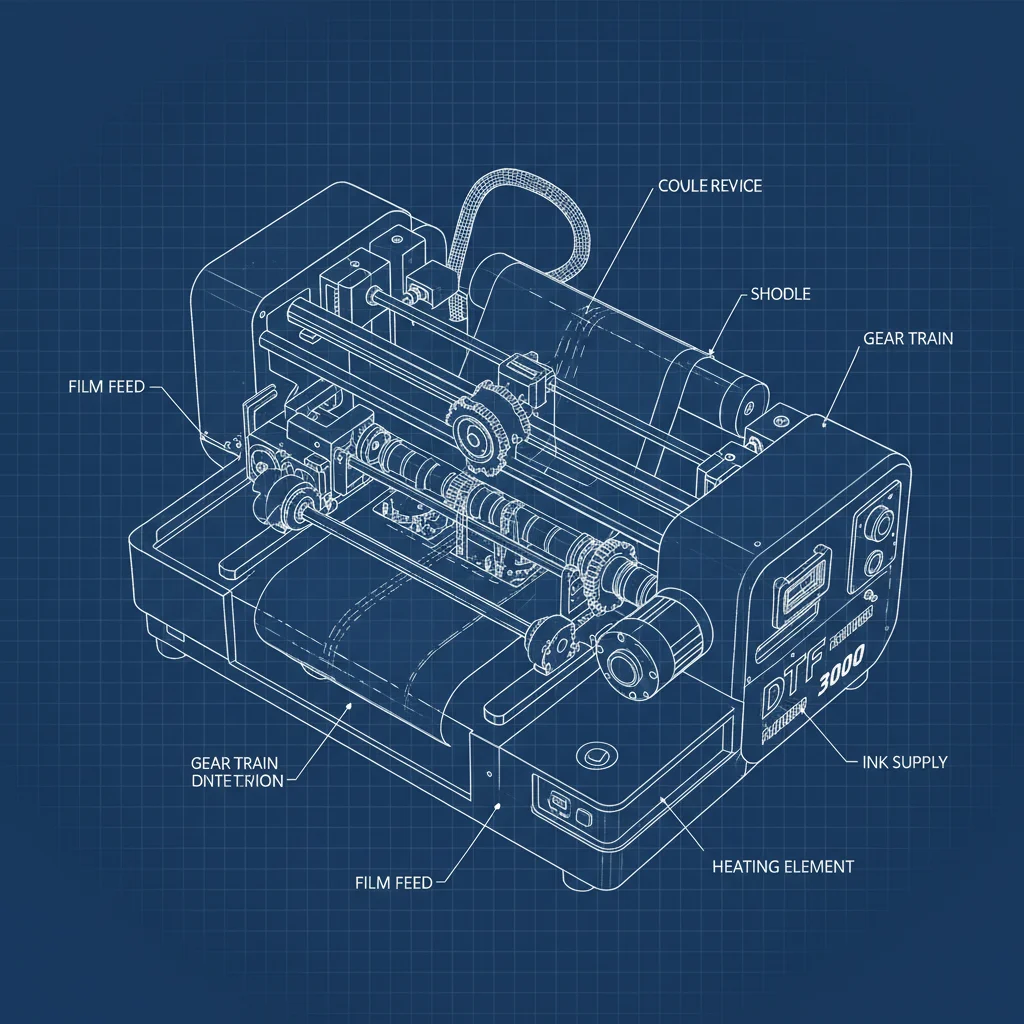
The technology behind dtf printers involves printing a water-based ink onto a PET film, applying a hot melt powder adhesive, and then curing the print with heat. The resulting transfer is then applied to the garment using a heat press, creating a durable and vibrant design. This process minimizes waste, allows for intricate designs, and eliminates the need for pre-treatment in many cases.
Defining dtf Printers
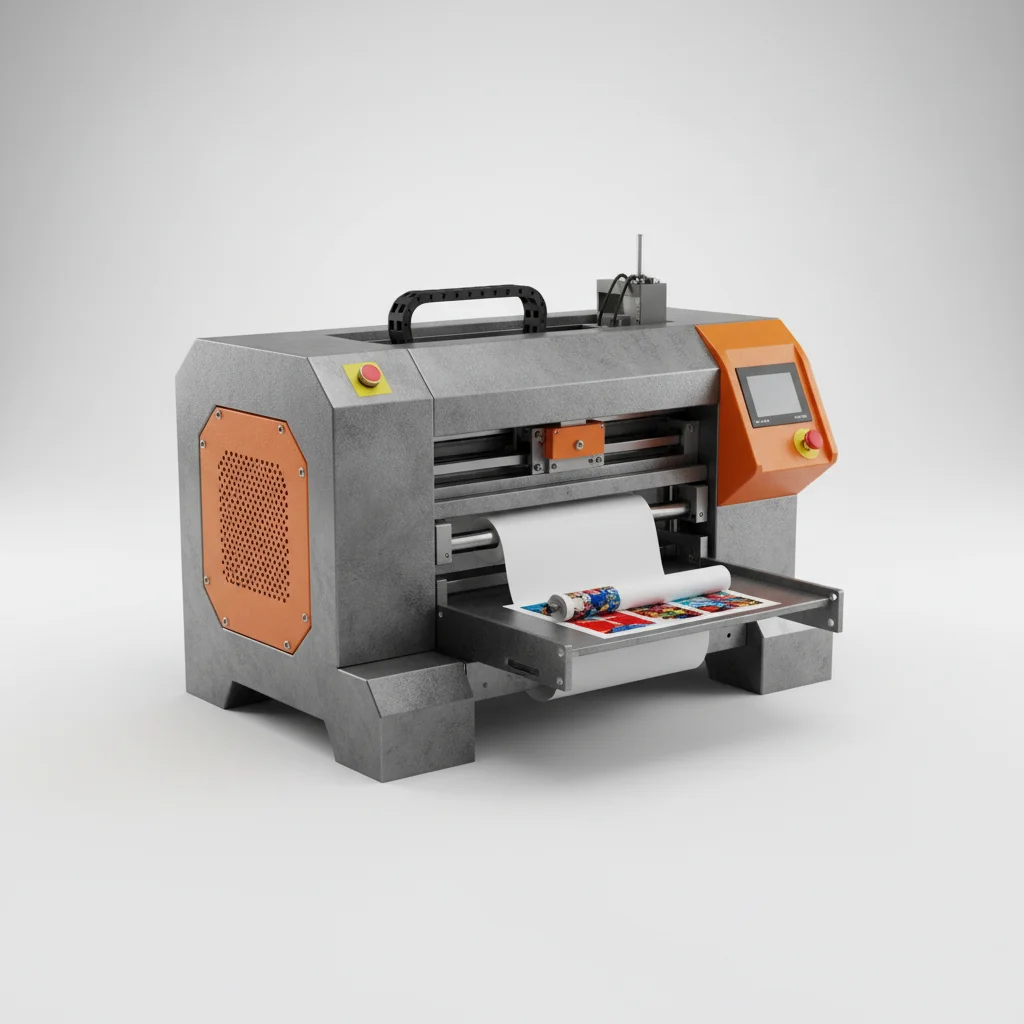
A direct-to-film (DTF) printer is a specialized inkjet printer designed to print designs onto a PET film. Unlike direct-to-garment (DTG) printers, which print directly onto the fabric, DTF printers create a transfer that is then heat-pressed onto the garment. This process involves several key steps: printing with specialized water-based inks, applying a hot melt adhesive powder, and curing the print. The final product is a durable, high-quality transfer ready for application.
DTF printing isn’t simply a replacement for existing methods; it's a complementary technology. It excels where traditional methods struggle, particularly with complex designs, small batches, and dark fabrics. Its adaptability connects it to modern industrial demands for customization and efficiency.
Ultimately, dtf printers address the critical need for versatile and accessible textile printing, offering a solution that blends quality, affordability, and ease of use. This makes it a vital tool for various industries, from apparel and fashion to promotional products and personalized gifts.
Key Characteristics of dtf Printers
One of the most crucial characteristics of dtf printers is their ability to print on a wide range of fabrics. This versatility sets them apart from other methods that might be limited to specific materials. From cotton and polyester to blends and even nylon, DTF printing can handle diverse fabric types with ease.
Durability is another key feature. The combination of high-quality water-based inks and hot melt adhesive creates a print that is resistant to washing, fading, and cracking. This makes DTF-printed garments suitable for everyday wear and demanding applications. Correct curing is paramount for achieving maximum durability.
High resolution is also integral to the quality of DTF prints. Modern dtf printers can achieve resolutions up to 1440 dpi, allowing for incredibly detailed and vibrant designs. This level of detail is especially important for intricate artwork and photographic images.
Global Applications of dtf Printers
The applications of DTF printing are incredibly diverse and span across numerous industries worldwide. The fashion industry utilizes DTF printers for creating custom apparel, unique designs, and on-demand clothing production. This is particularly prominent in regions with strong fashion sectors, like Italy, France, and the United States.
The promotional products sector also heavily relies on DTF printing for producing branded merchandise, event t-shirts, and personalized giveaways. Businesses in countries like China and India, major manufacturing hubs, leverage DTF technology to meet the growing demand for customized promotional items.
In remote industrial zones, where access to traditional screen printing facilities may be limited, DTF printers provide a viable solution for on-site textile decoration. They are increasingly used in areas like Southeast Asia and parts of Africa, enabling local businesses to create and sell customized products.
DTF Printer Performance Comparison
Advantages and Long-Term Value
The adoption of dtf printers translates directly into tangible benefits for businesses. Cost efficiency is a primary advantage; DTF printing reduces the need for large minimum orders, expensive setup fees, and pre-treatment processes, leading to significant savings. This affordability makes it accessible to smaller businesses and startups.
Sustainability is another key benefit. DTF printing uses water-based inks, which are more environmentally friendly than many traditional printing methods. Reduced waste from film and adhesive powder compared to screen printing also contributes to a smaller environmental footprint.
Future Trends in dtf Printing
The future of DTF printing is poised for exciting advancements. We can anticipate the development of more eco-friendly inks, including bio-based and biodegradable formulations, to further enhance the sustainability of the process. Innovations in film materials will likely lead to improved transfer quality and reduced costs.
Automation is another key trend. Integrated systems that automate the entire DTF process, from printing to curing and application, will increase efficiency and reduce labor costs. Furthermore, the integration of DTF printing with digital design platforms will streamline the workflow and empower designers with greater creative control.
Challenges and Solutions
Despite its numerous advantages, DTF printing faces certain challenges. One common issue is achieving consistent adhesion on all fabric types. This can be addressed by carefully selecting the appropriate adhesive powder and optimizing the heat press settings for each material.
Another challenge is managing the potential for ink clogging in the printer heads. Regular maintenance, proper ink storage, and the use of high-quality inks can minimize this issue. Investing in printers with automatic head cleaning systems can also prove beneficial.
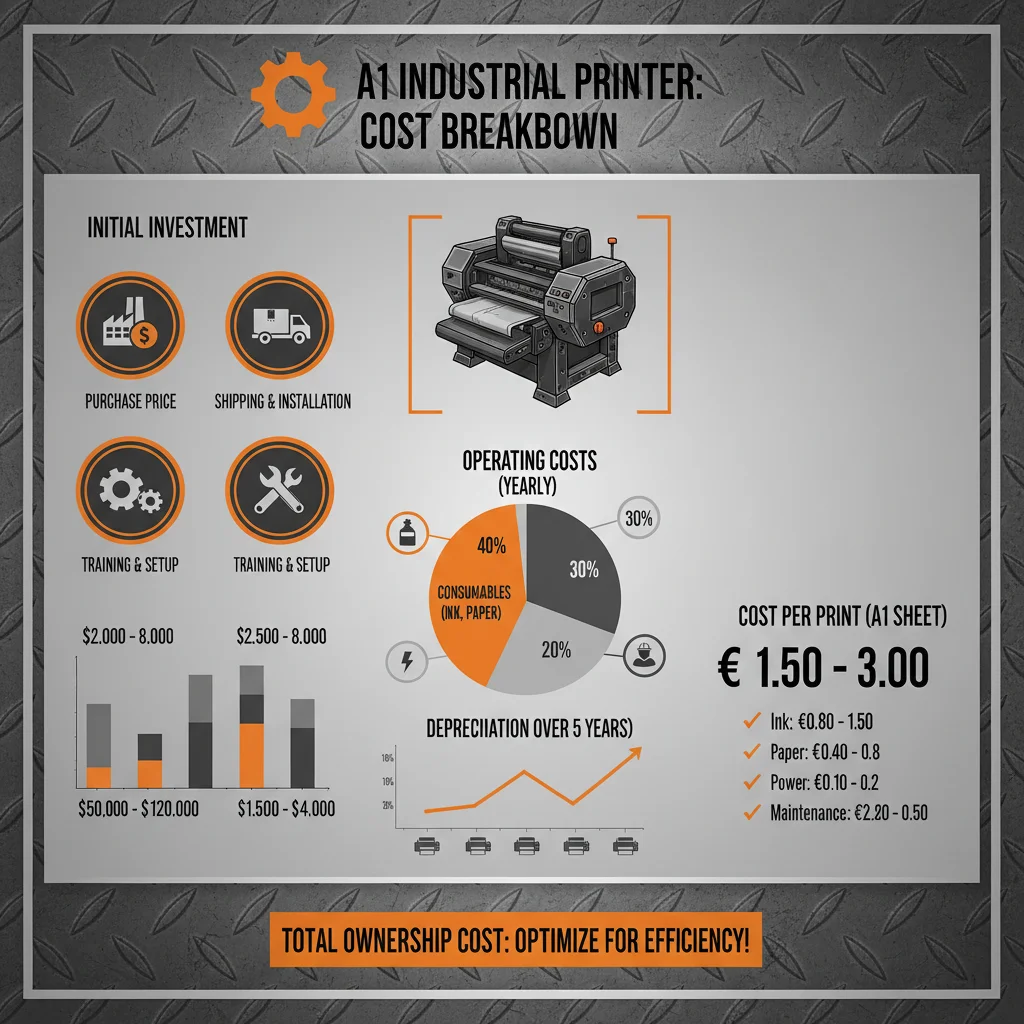
Finally, the initial investment cost for a DTF printer and related equipment can be a barrier for some businesses. However, the long-term cost savings and increased revenue potential often outweigh the initial expense. Financing options and leasing programs can also make DTF technology more accessible.
DTF Printer Comparison – Key Performance Indicators
| Print Resolution (DPI) |
Ink Consumption (ml/m²) |
Maintenance Frequency (Hours) |
Overall Cost of Ownership (USD) |
| 1440 DPI |
8 ml/m² |
20 |
5,000 |
| 1200 DPI |
10 ml/m² |
25 |
4,500 |
| 720 DPI |
12 ml/m² |
30 |
3,000 |
| 2880 DPI |
6 ml/m² |
15 |
7,000 |
| 1080 DPI |
9 ml/m² |
22 |
4,000 |
| 1600 DPI |
7 ml/m² |
18 |
6,000 |
FAQS
With proper curing and care, a DTF print can last for 50+ washes without significant fading or cracking. The durability depends on the fabric type, washing conditions (temperature, detergent), and the quality of the ink and adhesive used. Following garment care instructions is crucial to maximizing longevity.
DTF printing is highly versatile, working well on cotton, polyester, blends, and even some nylon fabrics. However, performance may vary depending on the fabric's weave and surface texture. Pre-testing on a small area is recommended to ensure optimal adhesion and print quality. Certain fabrics, like heavily waxed or treated materials, may require special considerations.
Curing is vital for a durable DTF print. A heat press is typically used, applying consistent heat and pressure for the recommended time (usually 60-90 seconds at 300-330°F). Ensuring the adhesive fully melts and bonds with the fabric is key. A proper cure results in a soft hand-feel and prevents the print from peeling or washing out.
DTF printing generally has a lower upfront cost compared to DTG printing, as DTG printers are typically more expensive to purchase and maintain. DTF also avoids the need for pre-treatment, saving on costs. For small to medium print runs, DTF is often more cost-effective, while DTG might be preferable for large-scale production of specific designs.
DTF printing utilizes specialized water-based pigment inks designed for film printing. These inks offer vibrant colors, excellent washability, and compatibility with hot melt adhesives. The inks are formulated to adhere well to the PET film and transfer effectively to the fabric during the heat press process. Using genuine DTF inks is crucial for optimal performance.
Yes, DTF printing excels at printing on dark-colored garments without requiring a white underbase layer, as the opacity of the printed ink is typically sufficient. This eliminates the need for complex color separation and reduces printing time and costs compared to some other methods. It delivers vibrant, high-contrast results on dark fabrics.
Conclusion
In conclusion, dtf printers represent a groundbreaking advancement in textile printing, offering a unique blend of versatility, affordability, and quality. From its ability to print on diverse fabrics to its reduced waste and cost-effectiveness, DTF technology is transforming the industry and empowering businesses of all sizes. Its increasing adoption is a testament to its practical benefits and innovative approach.
Looking ahead, the future of DTF printing is bright, with ongoing developments promising even greater efficiency, sustainability, and creative possibilities. Investing in DTF technology now positions businesses to capitalize on these advancements and stay ahead of the curve in the dynamic world of textile printing. Visit our website at www.silkscreenprintingsupply.com to explore our range of DTF printers and supplies.