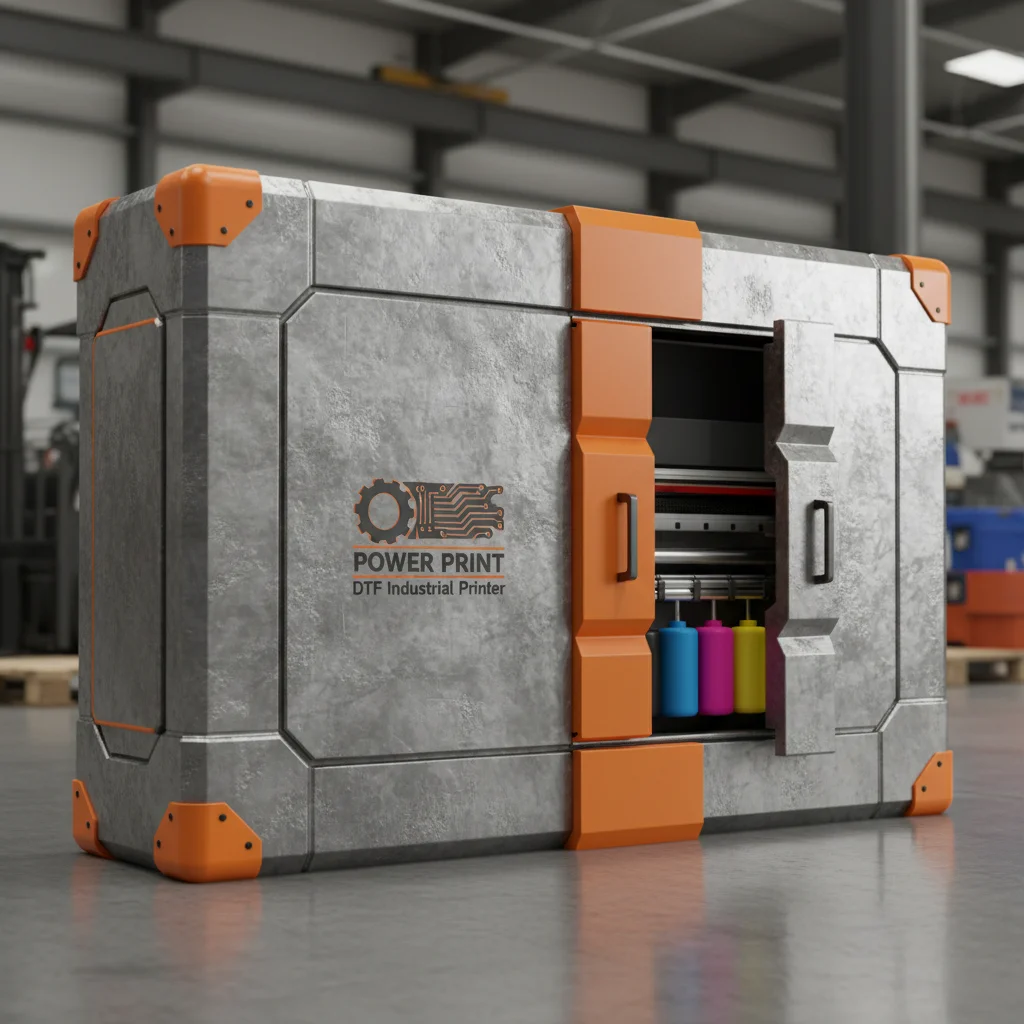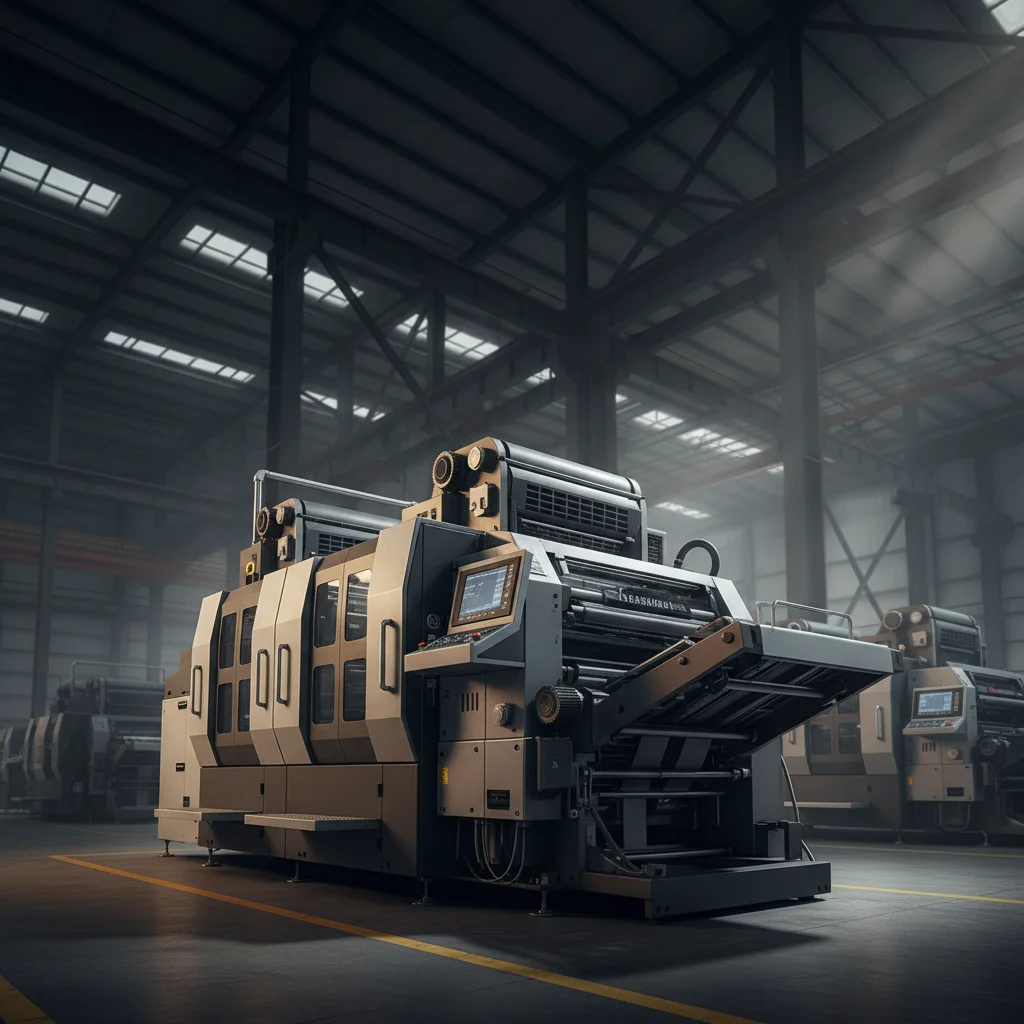
When evaluating the a2 printer price, procurement managers must look beyond the initial sticker price to understand the total cost of ownership. An A2 printer, typically designed for a print width of 420mm, serves as a critical bridge between small-format desktop units and wide-format industrial systems, making it a high-demand asset for apparel and signage businesses.
Many buyers face the dilemma of choosing between low-cost reseller units and factory-direct hardware. The disparity in a2 size printer price often stems from hidden markups, certification gaps, and differing print head grades, which can lead to significant unplanned downtime and increased consumable expenses over the machine's lifecycle.
This comprehensive analysis examines the technical factors influencing the A2 printer market in 2026, providing a transparent breakdown of pricing structures and selection criteria. By the end of this guide, you will be able to distinguish between entry-level and industrial-grade models to optimize your production ROI.

1Understanding the A2 Printer Pricing Ecosystem

The a2 printer price is not a static number but a reflection of the machine's engineering grade. In the current market, prices typically range from $2,800 for entry-level DTF models to over $12,000 for high-precision UV printers. The primary variance occurs between "white-label" machines sold by distributors and genuine factory-direct equipment.
Middlemen often add a 30-50% markup to the factory price without providing additional technical value. This "brand premium" rarely translates to better hardware, as many resellers source the exact same chassis and Epson I3200 heads from the same manufacturing hubs in China.
Understanding this ecosystem allows buyers to negotiate based on specifications—such as chassis vibration damping and ink circulation systems—rather than marketing claims, ensuring a more accurate a2 size printer price assessment.
2Technical Drivers of the a2 size printer price
The most significant cost driver in any A2 printer is the print head configuration. Industrial-grade heads like the Epson I3200-E1 offer significantly higher longevity and speed compared to consumer-grade XP600 heads, justifying a higher initial investment through lower replacement frequency.
Beyond the heads, the chassis build quality determines long-term alignment. Steel frames with integrated damping prevent "banding" at high speeds, whereas thin aluminum extrusions can flex, leading to wasted media and increased ink consumption.
Lastly, the curing system—whether it be an automatic powder shaker for DTF or dual UV LED lamps—adds to the complexity and price. Precision thermostats that control heat within ±1°C are essential for preventing adhesive bleed-out in professional apparel production.
3Operational Applications and Productivity
A2 printers are optimally utilized in Print-on-Demand (POD) and custom apparel sectors. The 420mm width allows operators to nest 8-10 A4-sized designs in a single pass, maximizing throughput and reducing the cost per print significantly compared to A3 systems.
In the signage industry, A2 UV printers enable the in-house production of rigid substrates like acrylic, wood, and metal. This eliminates the need for third-party outsourcing, reducing lead times from days to minutes and removing reseller margins from the production cost.
For sportswear manufacturers, the integration of a white ink circulation system is non-negotiable. This prevents sedimentation during high-volume white-layer printing, doubling the lifespan of the print head in continuous shift environments.
4Production Efficiency and Market Data
Market trends for 2026 indicate a steady CAGR of 5.2% for the global DTF printer market, driven by the shift away from traditional screen printing. This growth is fueled by the ability to produce small-batch, high-complexity designs without the cost of creating physical screens.
The impact of factory-direct sourcing is most evident when comparing the total cost of ownership (TCO). By eliminating the distributor, businesses can reduce their initial capital expenditure while accessing professional-grade technical support and genuine spare parts.
a2 printer price Performance Metrics
Data suggests that while entry-level machines have a lower sticker price, their operational costs—including ink waste and downtime—are often 40% higher than industrial-grade A2 printers. Investing in superior pigment dispersion ink can reduce waste by 20% compared to legacy formulas.
5Procurement Strategies for Factory-Direct Sourcing
When sourcing directly from manufacturers like Shenze Jiamei Group, buyers should request a full line-item quote. This ensures that the a2 printer price includes the base unit, print heads, RIP software, and an initial consumables kit, avoiding surprise costs during installation.
OEM/ODM customization is another advantage of direct sourcing. Businesses can request specific voltage configurations (110V/220V) or custom branding on the machine body, which is typically impossible when buying from a reseller's fixed stock.
Finally, establish a technical support SLA. A reliable manufacturer will provide remote diagnostics via video call and guarantee spare parts shipment from their warehouse within 48 hours to minimize production loss.
6Compliance and Global Shipping Considerations
Customs rejections are a significant risk for uncertified printing equipment. Machines lacking CE, RoHS, and ISO 9001 documentation are frequently held at EU and US ports, resulting in expensive storage fees and delivery delays.
Shipping an A2 printer requires specialized crating to protect the print heads from vibration and impact. Sea freight is the most cost-effective method for single units, typically taking 30-40 days, while air freight reduces this to 7 days at a higher cost.
For buyers in the US and Europe, verifying the manufacturer's export history is crucial. A supplier with experience in 40+ countries is more likely to understand regional electrical standards and tariff policies, reducing the risk of operational failure post-delivery.
7A2 DTF vs UV Printer: Comparative Analysis
Choosing between DTF and UV technology depends entirely on the end-product. DTF is the gold standard for flexible textiles and apparel, while UV is essential for rigid materials and high-durability outdoor signage.
While the a2 printer price for UV models is generally higher due to the complex LED curing system and varnish channels, the profit margin per print on rigid substrates is often significantly higher than that of apparel transfers.
| Specification | A2 DTF Printer | A2 UV Printer | Key Difference |
|---|---|---|---|
| Print Head | Epson I3200-E1 | Ricoh Gen5 | Precision vs Speed |
| Media | PET Film/Vinyl | Glass/Wood/Metal | Flexible vs Rigid |
| Curing | Powder/Infrared | UV LED Lamps | Heat vs Light |
| Resolution | 1440 x 1440 dpi | 1200 x 1200 dpi | Detail vs Texture |
| Ink Set | CMYK + White | CMYK + W + Varnish | Color vs Finish |
| Price Range | $2,800 - $7,500 | $6,000 - $12,000 | Entry vs Industrial |
Ultimately, the decision rests on your primary revenue stream. Apparel-focused shops should prioritize a high-speed A2 DTF system, while multi-material signage shops will find the higher a2 size printer price of a UV unit a justifiable investment for its versatility.
Frequently Asked Questions
Conclusion
Optimizing your production line requires a strategic approach to the a2 printer price, balancing initial capital expenditure with long-term operational reliability. By choosing factory-direct hardware over reseller markups, businesses can secure industrial-grade components and certified compliance, ensuring a smoother customs process and lower total cost of ownership.
Whether your focus is high-volume apparel via DTF or rigid substrate signage via UV, the key to success lies in verifying technical specifications and securing a direct engineering partnership. For those evaluating professional printing solutions, detailed product information and customized quotes can be explored at www.silkscreenprintingsupply.com.