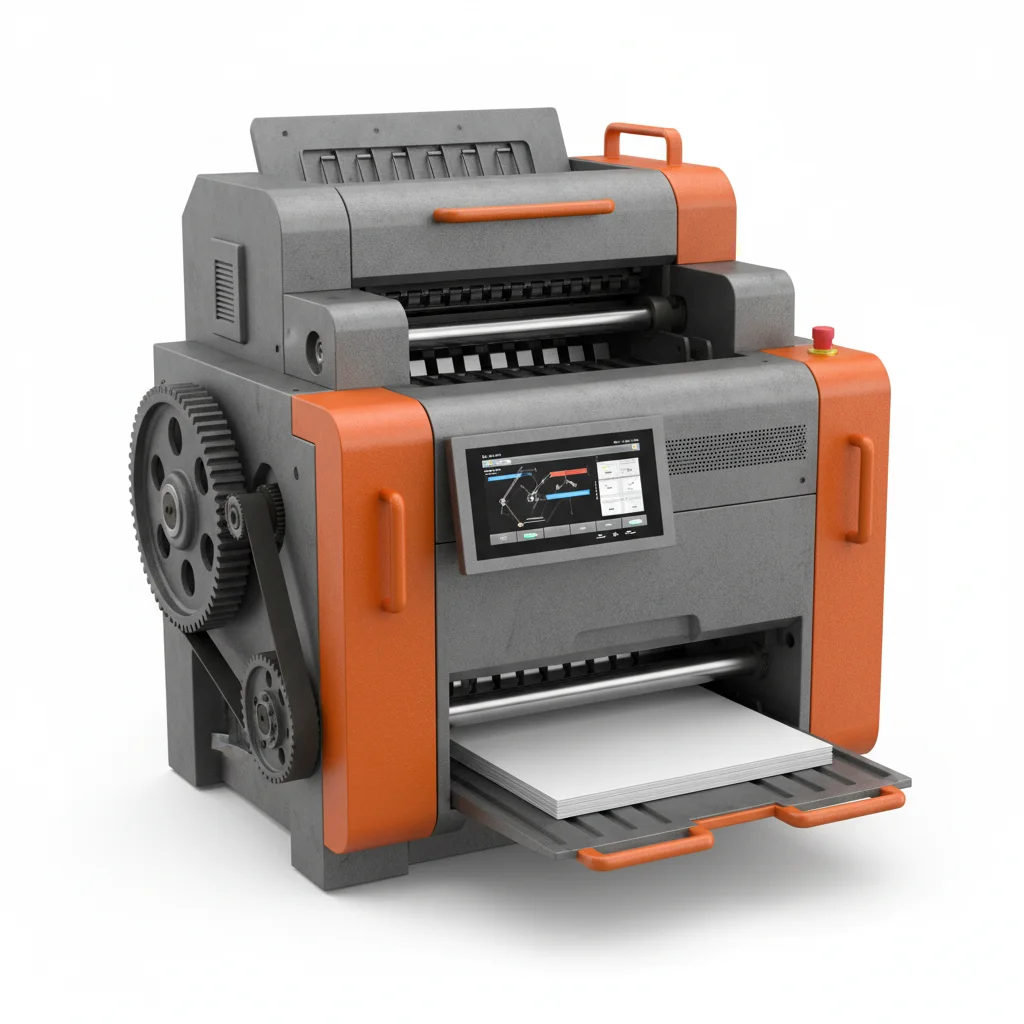
Selecting the right dtf printer china involves more than comparing technical specifications; it requires an understanding of how Direct-to-Film technology integrates into a broader garment decoration workflow. For many businesses, the transition from traditional screen printing to DTF is driven by the need for shorter lead times and the ability to handle complex, multi-color designs without the overhead of screen preparation.
The current market landscape in China offers a vast spectrum of equipment, from entry-level A3 models for boutique shops to high-capacity A1 industrial systems. However, the true value of these machines is realized only when paired with high-quality consumables, including specialized DTF inks, powders, and precision films that ensure durability and color vibrancy.
This guide examines the critical factors for evaluating DTF hardware, the operational synergies between inkjet and screen printing equipment, and the strategic considerations for procurement to ensure a sustainable return on investment.

Understanding the Technical Architecture of Modern DTF Systems

At its core, a DTF system operates by printing a pigment-based ink onto a specialized PET film. Unlike direct-to-garment (DTG) printing, which applies ink directly to the fabric, the DTF process utilizes a two-step transfer method. First, the image is printed in reverse on the film; second, a hot-melt adhesive powder is applied to the wet ink and cured, creating a flexible, durable transfer that is then heat-pressed onto the substrate.
The technical superiority of these systems often depends on the print head precision and the ink circulation system. Advanced models from China now incorporate automatic white ink agitation to prevent sedimentation, a common failure point in lower-end inkjet systems. This ensures a consistent white base, which is essential for achieving high contrast on dark fabrics.
Furthermore, the integration of the powder shaker—either as a manual unit or an automated conveyor—determines the scalability of the operation. For professional workshops, an automatic powder shaker is indispensable as it ensures uniform powder coverage and precise curing, reducing the risk of "spotting" or peeling after the garment is washed.
Core Performance Drivers in Direct-to-Film Printing
The efficiency of a DTF setup is measured not just by printing speed, but by the interaction between the ink viscosity and the film surface tension. High-grade DTF ink must maintain a specific flow rate to prevent nozzle clogging while providing enough opacity to cover dark polyester and cotton blends.
Another primary driver is the quality of the PET film. Films with a precise release layer allow for a clean peel—either hot or cold—which prevents the design from distorting during the heat press stage. Inconsistent film quality often leads to "orange peel" textures or ink bleeding, which compromises the professional finish of the garment.
Finally, the heat press machine plays a pivotal role. Precise temperature control and consistent pressure are required to fuse the cured powder into the fabric fibers. Without a professional-grade press, even the highest quality print from a Chinese DTF printer may fail to meet industrial wash-fastness standards.
Industrial Application Scenarios for DTF Technology
DTF technology is particularly effective for customized apparel production where traditional screen printing is cost-prohibitive due to low volumes. It is widely used for sportswear, corporate uniforms, and promotional merchandise, allowing for high-detail logos and full-color photographs to be applied to various textiles including nylon and polyester.
In the context of hybrid workshops, DTF is often used to complement screen printing. While screen printing handles the bulk of the base colors for large orders, DTF is utilized for the "detail work" or for adding personalized names and numbers to jerseys, significantly reducing the number of screens required for a single job.
Beyond apparel, the versatility of the transfer process extends to accessories such as bags, hats, and shoes. Because the film acts as a carrier, the print can be positioned with extreme precision on curved or awkward surfaces, provided a suitable heat press or heat gun is available for application.
Evaluating Efficiency Benchmarks and Output Quality
When benchmarking DTF systems, operators typically focus on the ratio of setup time to production time. Traditional screen printing requires hours of emulsion coating, exposure, and washout, whereas a DTF system allows for "instant-on" production, moving from a digital file to a finished transfer in minutes.
The following data illustrates the relative performance improvement in production agility and color accuracy when moving from traditional manual methods to an integrated DTF workflow.
dtf printer china Performance Metrics
As indicated, the gain in "Small Batch Agility" is the most significant advantage. While industrial screen printing remains superior for million-unit runs, the DTF workflow eliminates the cost of screen production for orders under 50 units, drastically improving the ROI for customized "on-demand" services.
Operational Best Practices for Hardware Maintenance
The longevity of a DTF printer is directly tied to the rigor of its maintenance schedule. Because white ink contains titanium dioxide, which is heavy and prone to settling, daily shaking of the ink tanks and regular print head cleaning cycles are non-negotiable to prevent permanent nozzle failure.
Environmental control is equally critical. Maintaining a consistent humidity level (typically 40% to 60%) and temperature in the printing room prevents the ink from drying too quickly in the nozzles and ensures that the adhesive powder adheres uniformly to the film without clumping.
Operators should also implement a strict "waste management" protocol for unused films and leftover powder. Over time, residue from the curing oven can contaminate new transfers if the equipment is not cleaned regularly with appropriate industrial solvents.
Emerging Trends in Hybrid Printing Workflows
The industry is moving toward a "hybridized" model where DTF is not a replacement for screen printing, but a complementary tool. We are seeing an increase in the adoption of UV DTF printers, which allow for the creation of hard-surface stickers and decals using a similar transfer logic, expanding the revenue streams for traditional garment printers.
Automation is another key trend. New systems are integrating the printer, powder shaker, and curing oven into a single seamless line, reducing manual handling and the risk of contamination. This shift toward "lights-out" manufacturing is likely to decrease labor costs and increase output consistency.
Additionally, there is a growing focus on eco-friendly consumables. The development of water-based DTF inks and biodegradable PET films is expected to help printing houses meet stricter environmental regulations without sacrificing the durability of the final product.
Strategic Procurement Guide for DTF Equipment Selection
When sourcing equipment from China, buyers must distinguish between "entry-level" conversions and purpose-built industrial DTF machines. While converted printers are cheaper, they often lack the necessary ink circulation and white ink management systems required for 24/7 production.
The selection process should be based on the anticipated daily volume and the variety of substrates. A small boutique may only need an A3 setup, while a regional distributor requires A1 wide-format capabilities and automated powdering.
| Equipment Tier | Primary Use Case | Technical Feature | Scalability Risk |
|---|---|---|---|
| Entry-Level A3 | Boutique / Hobbyist | Manual Powdering | Low Production Ceiling |
| Professional A3 | Custom Apparel Shop | Auto-Agitation Tanks | Limited Print Width |
| Industrial A1 | Large Scale Factory | Continuous Conveyor | High Initial Investment |
| UV DTF System | Hard-Surface Decals | UV-Curing Lamps | Niche Material Range |
| Hybrid Setup | Mixed-Media Studio | Integrated DTF/Screen | Complex Workflow Mgmt |
| Entry-Model Bundle | Startup Venture | Basic Heat Press Incl. | High Consumable Waste |
For those evaluating a full system upgrade, reviewing the integrated solutions available through www.silkscreenprintingsupply.com can provide a clearer understanding of how DTF hardware fits alongside existing screen printing consumables and tension measurement tools.
Frequently Asked Questions
Conclusion
The adoption of a dtf printer china system represents a strategic shift toward agile, on-demand apparel production. By eliminating the setup constraints of traditional screen printing and offering superior versatility across fabric types, DTF technology allows businesses to respond faster to market trends and customer personalization requests.
However, success depends on a holistic approach: investing in robust hardware, maintaining strict environmental controls, and utilizing high-precision consumables. Those who integrate these tools into a managed workflow will find DTF to be a powerful engine for growth in the competitive garment decoration industry.