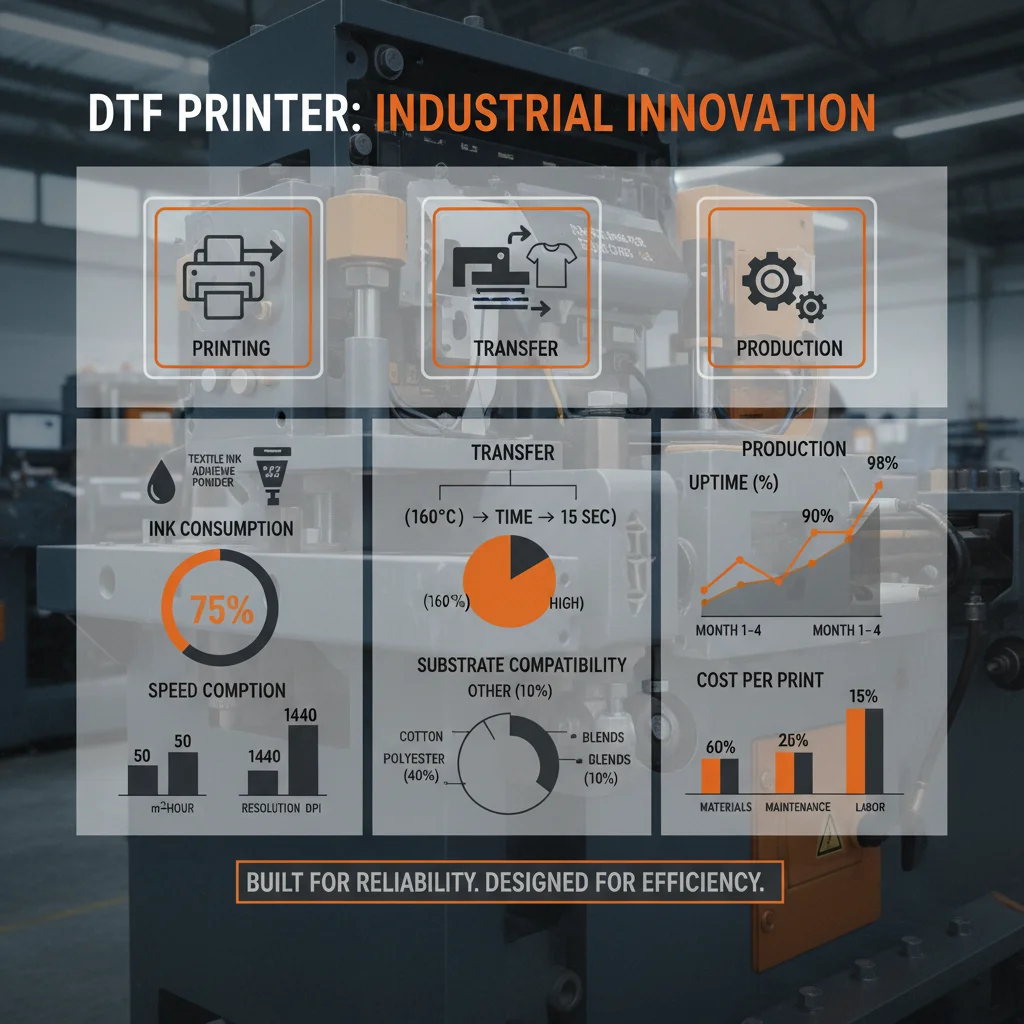
Selecting the right Direct-to-Film (DTF) printing system often begins with a critical question: how does the initial investment align with long-term production goals? For many garment decorators, the variance in dtf printer price is not merely a reflection of brand name, but a direct result of print head technology, ink delivery systems, and automation levels.
The shift toward DTF has disrupted traditional screen printing and DTG markets by offering a versatile middle ground—providing the detail of digital printing with the durability and tactile feel of traditional transfers. However, the pricing landscape remains fragmented, ranging from converted entry-level desktop units to high-throughput industrial machines designed for 24/7 operation.
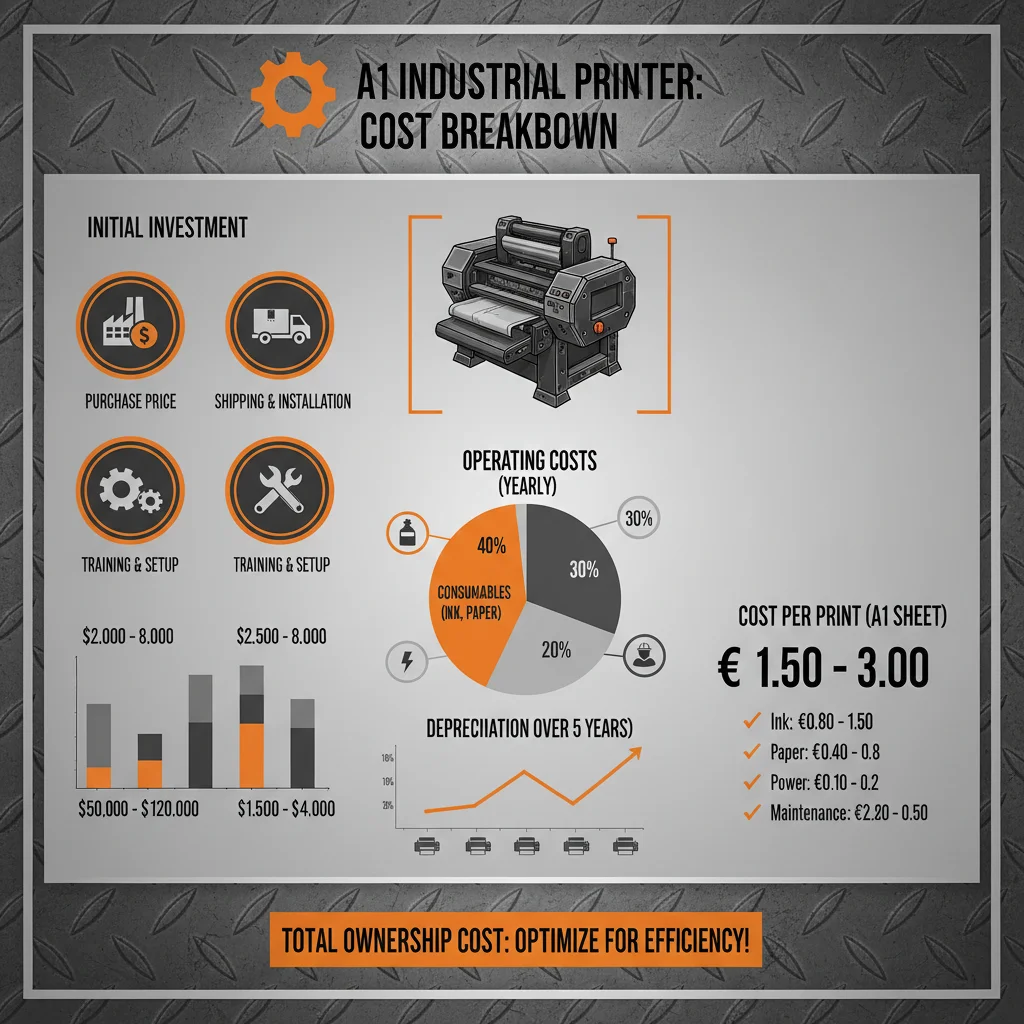
To make an informed procurement decision, it is essential to look beyond the sticker price and analyze the total cost of ownership, including consumables and maintenance. This guide examines the technical drivers of cost and provides a framework for evaluating different printer tiers within the current printing equipment market.

Market Segmentation of DTF Systems

The current market for DTF equipment is divided into three primary tiers. At the entry-level, we find compact A3 printers, often favored by hobbyists or small boutiques. These machines offer a low barrier to entry but usually require significant manual intervention for powdering and curing.
Mid-range systems generally move into A1 or 60cm formats, integrating automatic powder shakers. These are designed for small-to-medium enterprises (SMEs) that need to scale production without sacrificing the flexibility of digital prints. High-end industrial systems focus on dual-head configurations and high-speed ink delivery to minimize downtime and maximize output.
Technical Drivers of Equipment Cost
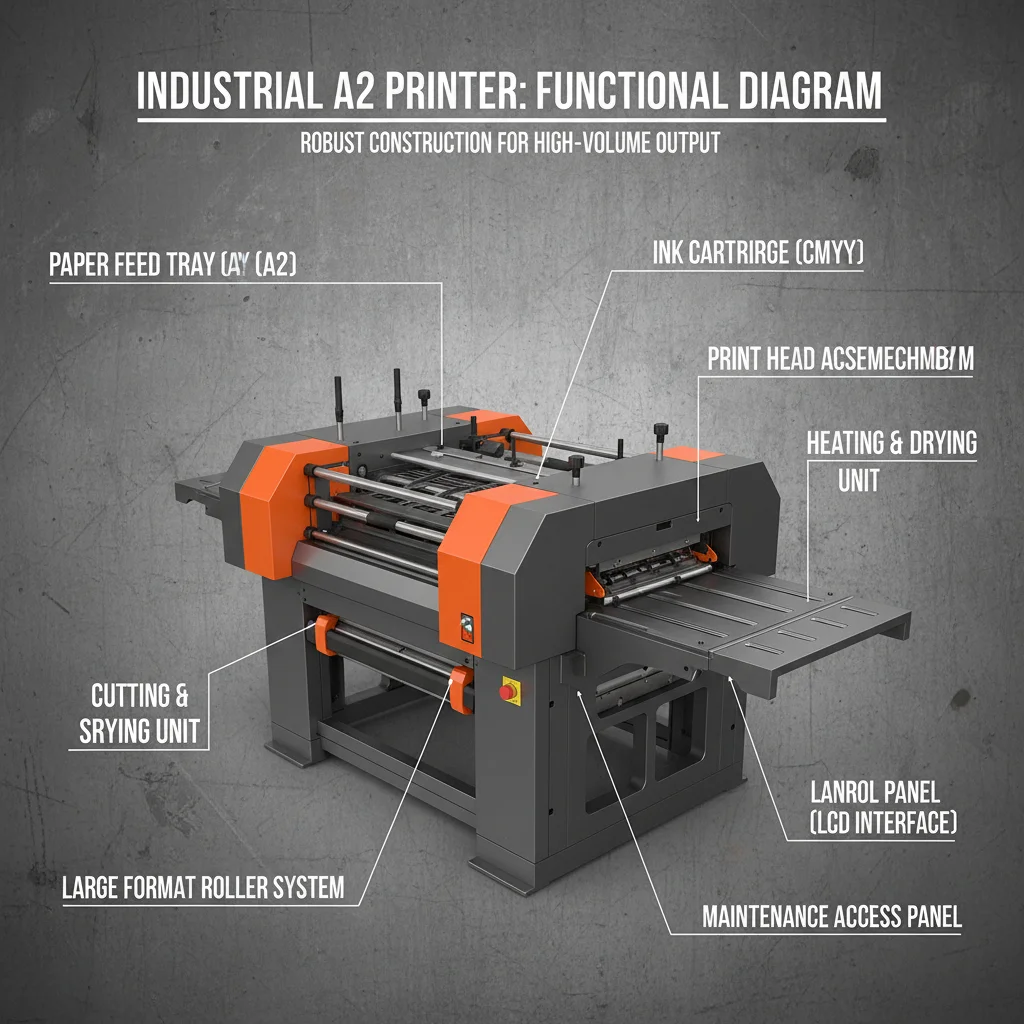
The primary cost driver in any DTF printer is the print head assembly. Industrial-grade heads (such as those from Epson or Ricoh) are engineered for high-frequency firing and resistance to white ink sedimentation. The precision of the nozzle alignment and the ability to maintain consistent ink droplet size directly impact the final image quality and the overall machine price.
Beyond the head, the ink circulation system is a critical technical differentiator. Cheap systems often suffer from white ink settling, which leads to clogged nozzles and costly downtime. Professional machines incorporate active circulation and agitation systems that keep the pigment suspended, extending the life of the print head and reducing waste.
Lastly, the mechanical build quality—including the carriage rail stability and the precision of the media feed—determines whether a printer can maintain registration over long rolls of film. High-precision components reduce "banding" and misalignment, justifying a higher price point for those requiring strict quality control in industrial settings.
The Value Gap: Modified vs. Native DTF
Many buyers encounter "converted" printers—standard inkjet machines modified to accept DTF inks. While these significantly lower the initial dtf printer price, they often lack the integrated white ink management and specialized software required for professional-grade production.
Native DTF systems are engineered from the ground up for pigment-based ink chemistry, ensuring that the chassis, ink lines, and dampers are chemically compatible and mechanically optimized for the higher viscosity of DTF inks.
Choosing a converted model often results in higher maintenance costs and a shorter equipment lifespan. For a business intending to produce hundreds of shirts per week, the reliability of a native system outweighs the initial savings of a modified desktop unit.
Production Volume vs. Investment Index
Investment in DTF technology should be scaled relative to expected monthly output. A small-scale operation might prioritize a low entry cost, whereas a commercial print shop must prioritize the cost-per-print, which decreases as automation increases.
The following index illustrates the relative balance between the initial equipment investment and the production capacity (scalability) across different printer tiers.
Figure 2. Equipment Investment vs. Scalability Index
Operational Integration and Consumables
The printer itself is only one component of the workflow. To achieve a finished garment, a business must also invest in a heat press machine, DTF powder, and specialized films. The synergy between these components determines the final stretchability and wash-fastness of the print.
For those integrating DTF into an existing screen printing shop, the addition of a powder shaker and a tunnel dryer can transform a manual process into an industrial pipeline. Companies like Shenze Jiamei Group leverage decades of experience in screen printing equipment to provide these complementary tools, ensuring that the digital output matches the professional standards of traditional screen prints.
Evolution of Hybrid Printing Workflows
We are seeing a trend toward "Hybrid Shops" that combine the bulk efficiency of screen printing with the customization of DTF. In this model, large base colors are applied via screen printing, while complex, multi-color details are added using DTF transfers.
This approach solves the "screen cost" problem for small runs of complex designs while maintaining the low per-unit cost of bulk production. It allows manufacturers to offer "on-demand" customization without the setup time associated with creating new screens for every small variation.
The future of this sector likely involves deeper integration of UV DTF for hard surfaces and traditional DTF for textiles, creating a unified digital transfer center capable of branding almost any material.
Procurement Decision Framework
When evaluating different options, buyers should avoid focusing solely on the lowest price. Instead, they should create a weighted scoring system based on their specific production needs, such as required resolution, daily print volume, and available technical support.
A critical trade-off exists between "Ease of Use" and "Control." Entry-level machines are often "plug-and-play" but offer little room for optimization. Industrial machines require specialized training but allow the operator to fine-tune ink density and curing temperatures for different fabric types.
The following table provides a relative assessment of different DTF system tiers based on typical industrial requirements.
| System Tier | Primary Use Case | Maintenance Need | Relative Value |
|---|---|---|---|
| Desktop A3 | Samples / Hobby | High (Manual) | Low Initial Cost |
| Pro A3/A2 | Small Boutique | Medium | Balanced Entry |
| Entry-level 60cm | Scaling SME | Medium (Automated) | High Growth Potential |
| Industrial 60cm | Full-time Production | Low (Scheduled) | Optimal Per-Unit Cost |
| Dual-Head Industrial | High-Volume Factory | Low (Professional) | Maximum Throughput |
| UV DTF Hybrid | Mixed Material Branding | Medium | Market Versatility |
Questions & Answers
The most significant price drivers are the print head technology and the ink management system. Professional heads designed for pigment inks cost more but offer higher durability and precision. Additionally, systems with automatic ink circulation, white ink agitation, and integrated powder shaking significantly increase the price compared to manual desktop converters, but they drastically reduce labor costs and equipment downtime.
For very low-volume testing or hobby use, a converted printer can be a viable starting point. However, for any business relying on consistent daily output, the risks—including frequent head clogs, inconsistent white ink density, and lack of manufacturer support—usually outweigh the initial savings. Native DTF machines are engineered for the specific chemistry of DTF inks, ensuring longer lifespans and better print quality.
ROI should be calculated by comparing the total cost per print (ink + film + powder + electricity + labor) against the market price of the finished garment. While an industrial machine has a higher upfront cost, its ability to print hundreds of linear meters per hour reduces the labor cost per unit, typically leading to a faster ROI for high-volume shops compared to slower, cheaper machines.
Beyond the printer, you must budget for consumables: DTF films, specialized pigment inks, and adhesive powder. You also need a high-quality heat press and potentially a curing oven. Maintenance costs, such as waste ink tanks and replacement dampers, should also be factored into your monthly operational budget to avoid unexpected financial bottlenecks.
DTF generally offers a better value proposition for most businesses because it works on a wider variety of fabrics (polyester, nylon, blends) without requiring complex pre-treatment. While DTG is excellent for high-end 100% cotton garments, DTF's ease of use, durability, and lower maintenance requirements make it more accessible and versatile for diverse product lines.
It is unlikely to replace screen printing entirely, as screen printing remains the most cost-effective method for massive bulk runs of simple designs. Instead, we are seeing a convergence where shops use both. DTF handles the complex, multi-color, and small-batch work, while screen printing handles the high-volume basics, creating a more efficient and flexible production ecosystem.
Final Thoughts
Navigating the complexities of dtf printer price requires a shift in perspective from "what is the cheapest machine" to "what is the most efficient system for my volume." The gap between entry-level converters and industrial native systems is wide, not just in price, but in reliability, output quality, and long-term operational stability.
By aligning equipment selection with actual production data and integrating complementary tools—from precision heat presses to automated powder shakers—businesses can build a scalable printing operation. The key to success in the modern garment industry lies in this balance of digital flexibility and industrial-grade durability.