Silkscreen equipment represents a cornerstone of modern manufacturing and artistic expression. From producing intricate circuit boards to adorning textiles with vibrant designs, the ability to precisely deposit inks and coatings onto various surfaces is critical across a vast spectrum of industries. Understanding the nuances of this technology—the machinery, the processes, and the evolving innovations—is paramount for businesses seeking competitive advantage and individuals pursuing creative endeavors. This understanding is increasingly vital in a world demanding both mass production and customized solutions.
Globally, the demand for silkscreen equipment is driven by sectors ranging from electronics and automotive to fashion and packaging. The equipment’s versatility and adaptability have cemented its position as an essential tool, regardless of geographical location or economic development. According to industry reports, the global screen printing market (a key indicator of silkscreen equipment demand) is projected to reach substantial growth in the coming years, fueled by technological advancements and an expanding range of applications. This surge highlights the growing importance of mastering this vital technology.
The escalating need for specialized printing solutions, coupled with the decreasing costs of certain equipment components, makes proficiency in silkscreen techniques more accessible than ever before. However, effectively utilizing this equipment requires a dedicated understanding of its principles and practical application. This knowledge translates to increased efficiency, reduced waste, and ultimately, superior product quality.
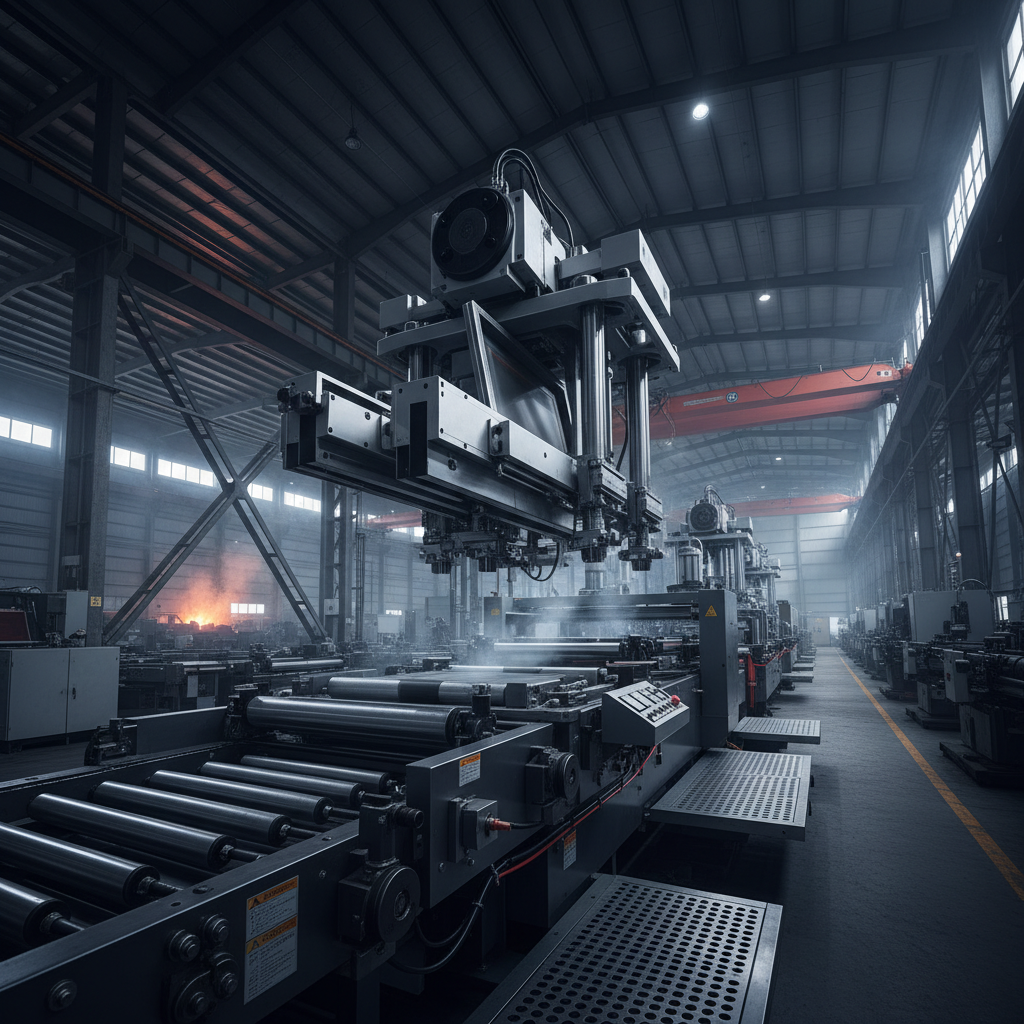
Introduction to Silkscreen Equipment
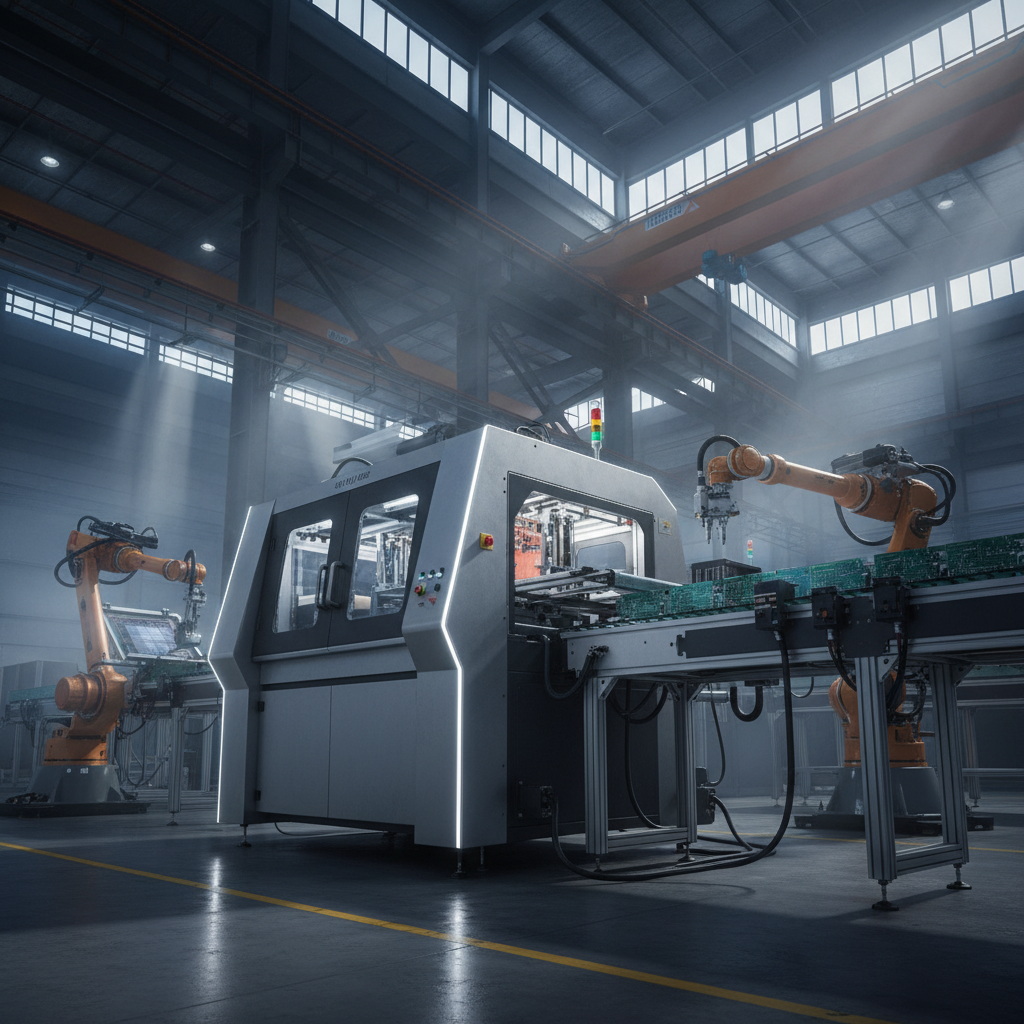
Silkscreen equipment, at its core, facilitates the transfer of ink through a stenciled mesh onto a substrate. This deceptively simple process underpins a remarkably diverse array of applications, spanning industrial manufacturing, artistic expression, and specialized printing needs. The equipment itself ranges from manual setups suitable for small-scale production to fully automated systems capable of high-volume output. Understanding the different types and capabilities of this equipment is the first step toward harnessing its potential.
The versatility of silkscreen equipment extends to the wide variety of materials that can be printed upon. Textiles, plastics, glass, metal, and even wood can all serve as substrates, making it an ideal solution for diverse projects. This broad applicability, coupled with the relatively low startup cost for basic equipment, makes silkscreening accessible to both entrepreneurs and established manufacturers alike.
Defining Silkscreen Equipment
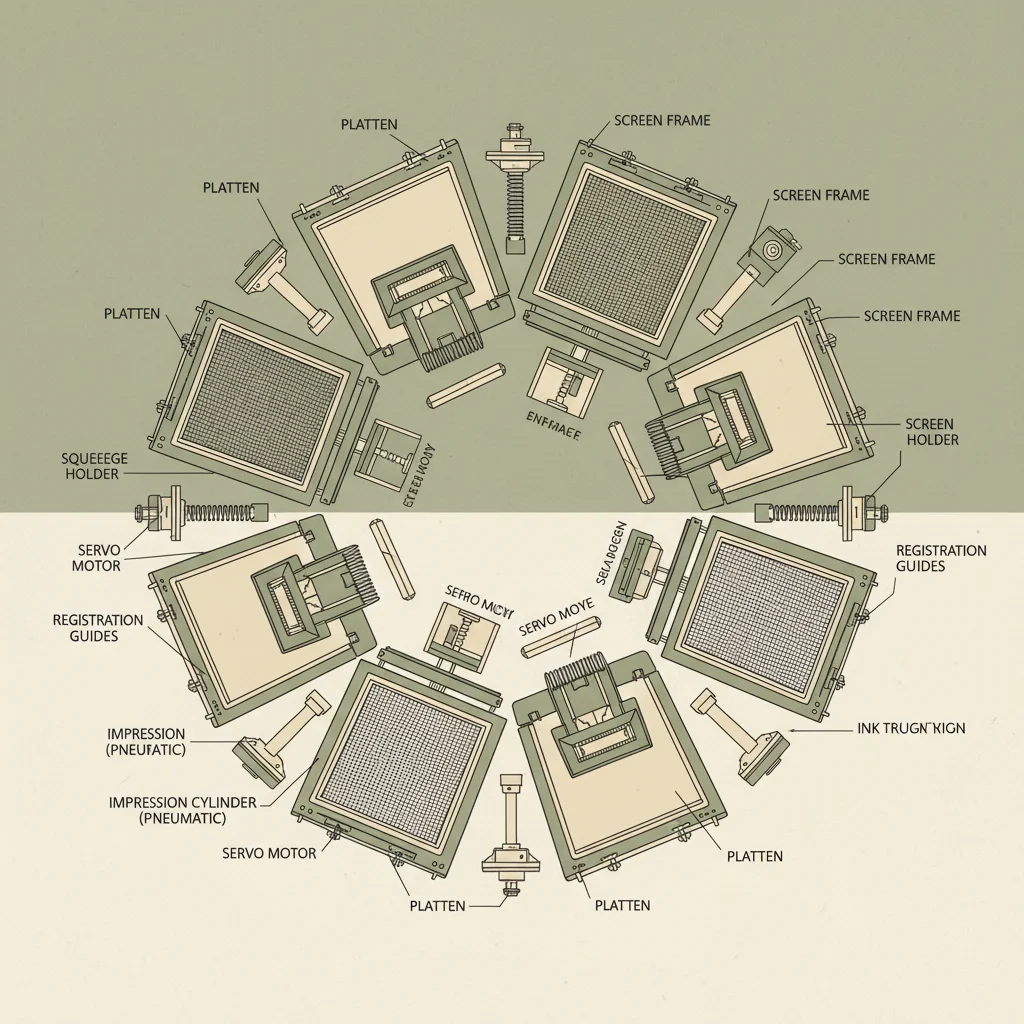
Silkscreen equipment encompasses all the tools and machinery required to perform the silkscreen printing process, also known as screen printing. This includes the screen itself (a mesh stretched tightly over a frame), the squeegee (used to force ink through the screen), the inks, and the various supporting components like cleaning solutions, emulsion removers, and substrate preparation tools. The process begins with creating a stencil on the screen, blocking off areas where ink should not pass through.
Modern silkscreen equipment has evolved significantly from its origins, integrating digital technologies and automation to enhance precision and efficiency. Computer-to-screen systems, for example, allow for the direct creation of stencils from digital designs, eliminating the need for manual stencil cutting. This technological leap streamlines the workflow and reduces errors, particularly for complex designs.
The connection to modern industry and humanitarian needs is profound. In electronics, silkscreening is crucial for applying solder paste and creating component markings on printed circuit boards. In disaster relief, silkscreened signage and informational materials can be quickly produced for affected communities. The adaptability of the process makes it invaluable in a wide range of scenarios.
Key Components of Silkscreen Equipment
A complete silkscreen setup relies on several key components working in harmony. First, the screen itself, typically made of polyester or nylon mesh, dictates the resolution and ink deposit. Mesh count (threads per inch) is a critical factor, with higher counts resulting in finer detail. Second, the squeegee, commonly made of rubber or polyurethane, applies pressure to force the ink through the open areas of the screen.
Emulsion is another vital element – a light-sensitive coating applied to the screen. Exposure to UV light hardens the emulsion, creating the stencil. The quality of the emulsion and the precision of the exposure process directly impact the sharpness and clarity of the printed image. Furthermore, proper substrate preparation, including cleaning and priming, is essential for ensuring good ink adhesion and a durable final product.
Finally, the drying system is critical. This can range from simple air-drying racks to sophisticated conveyor dryers that use heat to accelerate the curing process. Proper curing ensures the ink bonds permanently to the substrate, preventing smudging or peeling. The selection of the correct ink type, based on the substrate material, is equally important.
Durability and Longevity
The durability of silkscreen equipment directly impacts its long-term cost-effectiveness. High-quality screens, constructed from robust materials, can withstand repeated use and cleaning cycles. Similarly, squeegees made from durable durometers (hardness ratings) will maintain their shape and pressure over extended periods, reducing the need for frequent replacements.
Regular maintenance is key to maximizing the lifespan of your silkscreen equipment. This includes thorough cleaning after each use, proper storage of screens and squeegees, and periodic inspection of all components for wear and tear. Investing in durable equipment upfront, combined with diligent maintenance, will ultimately lead to lower operating costs and increased productivity.
Silkscreen Equipment Component Durability Ratings
Global Applications of Silkscreen Equipment
The applications of silkscreen equipment are remarkably diverse and span across numerous industries worldwide. In the textile industry, silkscreening is used extensively for printing designs on t-shirts, garments, and fabrics. In electronics manufacturing, it’s crucial for applying solder paste and component markings to printed circuit boards, vital for virtually all electronic devices.
Beyond these core industries, silkscreening finds use in creating signage, posters, and promotional materials. The automotive industry utilizes it for decorating interior components and applying warning labels. Even in specialized fields like ceramics and glassblowing, silkscreening is employed to create intricate designs and patterns. In post-disaster relief operations, silkscreen equipment allows for the rapid creation of informational posters and emergency signage.
Advantages and Long-Term Value
The advantages of utilizing silkscreen equipment are multifaceted. Cost-effectiveness is a primary benefit, particularly for medium to large production runs. While the initial investment in equipment can vary, the low cost per print makes it a highly economical option. Furthermore, silkscreening offers unparalleled versatility, allowing for printing on a wide range of substrates and achieving vibrant, durable results.
The long-term value extends beyond mere cost savings. Silkscreened prints are known for their durability and resistance to fading, making them ideal for applications requiring longevity. The ability to create custom designs and personalized products adds significant value for businesses seeking to differentiate themselves in the marketplace. Reliability and consistent quality are hallmarks of a well-maintained silkscreen operation.
Future Trends in Silkscreen Equipment
The future of silkscreen equipment is inextricably linked to advancements in digital technology and sustainable practices. Hybrid systems, combining the precision of digital printing with the versatility of screen printing, are gaining traction. These systems allow for on-demand printing of complex designs while retaining the advantages of screen printing for large-scale production.
Another emerging trend is the development of eco-friendly inks and cleaning solutions. Water-based inks and biodegradable solvents are becoming increasingly popular, reducing the environmental impact of the silkscreen process. Automation is also playing a larger role, with robotic systems streamlining workflows and minimizing human error. This trend promises increased efficiency and improved print quality.
Furthermore, advancements in screen mesh materials, like finer mesh counts and improved tensioning systems, are pushing the boundaries of resolution and detail. The integration of AI-powered stencil creation software is also on the horizon, promising to simplify the design process and optimize ink usage.
FAQS
The learning curve depends on the complexity of the equipment. Basic manual setups are relatively easy to learn, with introductory courses often available. However, mastering advanced techniques like halftone printing, color separation, and automated systems requires more dedicated training and practice. Expect a few initial challenges with stencil creation and ink consistency, but with persistence, proficiency can be achieved within a reasonable timeframe.
Safety is paramount. Always wear appropriate personal protective equipment (PPE), including gloves, eye protection, and a respirator when working with inks and solvents. Ensure adequate ventilation in your workspace to avoid inhaling harmful fumes. Follow manufacturer’s instructions for handling chemicals and cleaning equipment. Properly dispose of waste materials according to local regulations.
Mesh count selection is crucial. Higher mesh counts (e.g., 200-305) are ideal for fine details and halftone prints, while lower mesh counts (e.g., 40-110) are better suited for bold designs and thick inks. Consider the substrate material and the desired ink deposit when making your decision. A good rule of thumb is to use a higher mesh count for smoother surfaces and a lower mesh count for textured surfaces.
Ink selection is material-specific. Water-based inks are suitable for textiles and paper, while solvent-based inks are generally used for plastics, metals, and glass. Plastisol inks are popular for textiles due to their durability and vibrant colors. UV-curable inks offer excellent adhesion and fast drying times. Always consult the ink manufacturer's recommendations for compatibility with your substrate.
Regular cleaning is essential for maintaining equipment performance. Immediately after use, remove all ink from the screen, squeegee, and other components using appropriate cleaning solutions. Avoid abrasive cleaners, which can damage the mesh. Thoroughly rinse all parts with water and allow them to dry completely before storing. Follow the manufacturer’s instructions for specific cleaning procedures.
Maintaining screen quality can be challenging. Common issues include pinholes in the stencil, blocked mesh, and emulsion breakdown. Preventing pinholes requires careful stencil coating and exposure. Regularly cleaning the screen and avoiding abrasive chemicals helps prevent mesh blockage. Properly storing screens in a dark, dry environment minimizes emulsion degradation. Proper screen tension also plays a critical role.
Conclusion
In conclusion, silkscreen equipment represents a powerful and versatile tool with applications spanning across a vast spectrum of industries. From its fundamental principles of ink transfer and stenciling to the advancements in digital integration and sustainable materials, understanding the intricacies of this technology is crucial for businesses and individuals alike. The durability, cost-effectiveness, and adaptability of silkscreening ensure its continued relevance in a rapidly evolving manufacturing landscape.
Looking ahead, embracing innovation and prioritizing sustainability will be key to unlocking the full potential of silkscreen equipment. Investing in robust, well-maintained machinery, adopting eco-friendly inks and practices, and fostering a skilled workforce will pave the way for continued success. To explore the latest in silkscreen equipment and supplies, visit our website today.