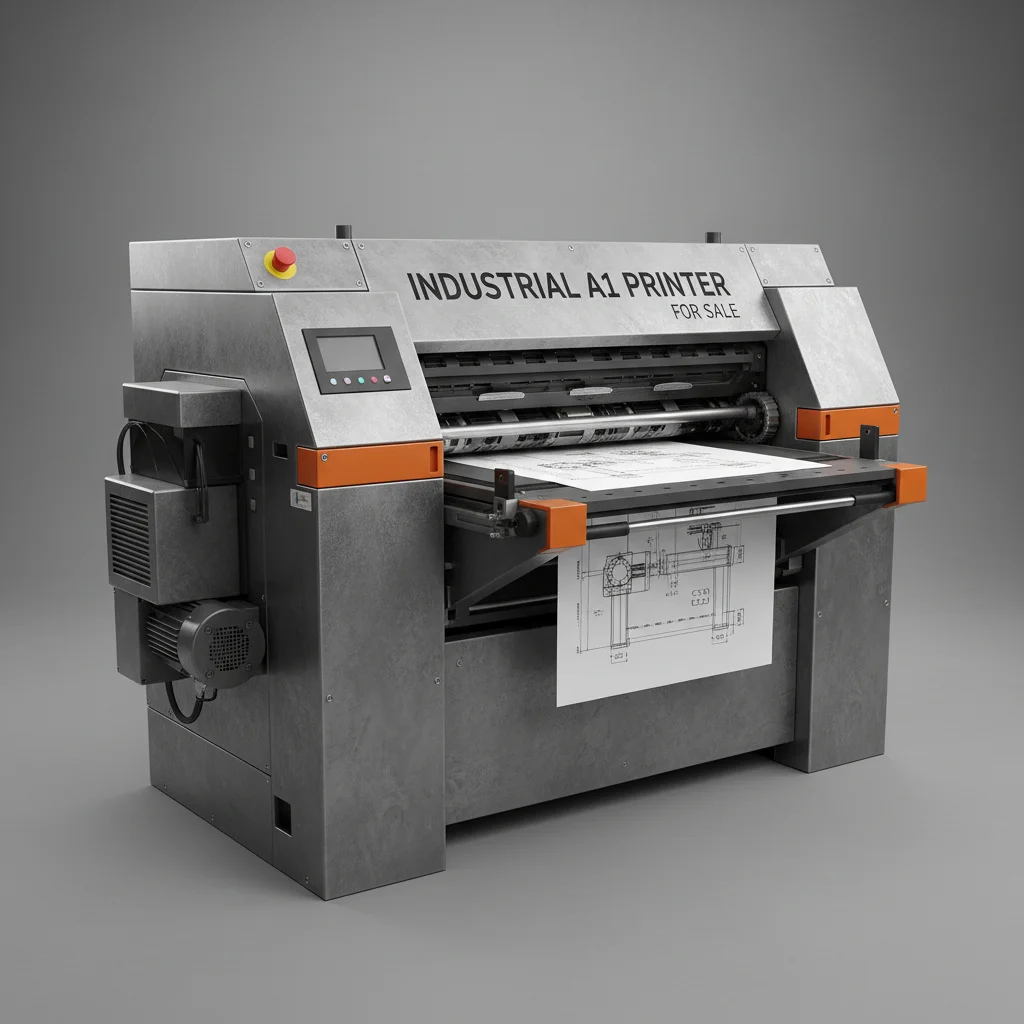
The global apparel customization market has witnessed a paradigm shift with the introduction of advanced printing technologies. Among these, the concept of a dtf printer for t shirt has emerged as a game-changer for entrepreneurs and large-scale manufacturers alike, offering a bridge between the versatility of digital printing and the durability of traditional screen printing. By allowing high-resolution designs to be transferred onto various fabrics, this technology has democratized the creation of high-quality customized garments.
From an industrial perspective, the demand for efficiency and precision in textile decoration has never been higher. The shift toward on-demand printing reduces waste and allows for rapid prototyping, which is essential in a fast-fashion economy. Understanding the synergy between the printing hardware and the consumables, such as high-tension polyester mesh used in hybrid setups, is crucial for achieving professional-grade results that withstand the rigors of daily wear.
Whether you are looking to scale a small business or optimize a factory line, integrating a dtf printer for t shirt ensures that your production workflow remains agile and cost-effective. By mastering the balance of ink, film, and heat application, creators can achieve vibrant colors and intricate details that were previously impossible with entry-level equipment.

Understanding DTF Technology and Mesh Integration
Direct-to-Film (DTF) technology revolutionized the textile industry by printing designs onto a special PET film, which is then coated with an adhesive powder and heat-pressed onto the garment. While a dtf printer for t shirt handles the digital aspect, the broader manufacturing ecosystem often relies on high-precision materials. For instance, the JM-03 100% polyester plain woven mesh, available in counts from 30 to 500 mesh/inch, provides the necessary structural integrity for various screen-printing and filtering processes that complement digital workflows.
The integration of high-tension, low-elasticity materials ensures that the uniformity of the print is maintained across large batches. By utilizing imported weaving machines and acid/alkali resistant materials, the industry ensures that the consumables supporting the printing process are as durable as the prints themselves. This synergy between digital precision and material science allows for a seamless transition from design to finished product.
Core Components of Professional Printing Systems
A professional setup centered around a dtf printer for t shirt requires more than just the printer itself. It necessitates a cohesive ecosystem consisting of high-quality DTF ink, specialized PET films, and a precise powder shaker system. These components work in tandem to ensure that the ink adheres correctly to the film and that the powder creates a strong, flexible bond with the fabric.
Furthermore, the role of secondary equipment cannot be overstated. Heat press machines must provide consistent pressure and temperature across the entire platen to avoid peeling or uneven curing. When these digital systems are used in hybrid environments, the use of aluminum screen frames and precision squeegee blades ensures that any traditional screen-printing elements of the design are executed with the same rigor as the digital transfers.
Finally, the choice of consumables—such as the specific mesh count for under-bases or specialty inks—determines the final tactile feel of the garment. By selecting materials with high tension and accurate standards, manufacturers can guarantee that the output is uniform, whether they are producing ten shirts for a local event or ten thousand for a global brand.
Essential Factors for High-Quality Transfers
Achieving a retail-quality finish with a dtf printer for t shirt depends heavily on the precision of the transfer process. One of the most critical factors is the mesh selection for any supplementary screen work; for example, using 86/90 mesh is recommended for printing opaque white onto dark fabrics to ensure maximum opacity and color pop.
Durability and elasticity are also paramount. When utilizing a dtf printer for t shirt, the resulting transfer must be able to stretch with the fabric without cracking. This is where the quality of the DTF powder and the heat-pressing parameters come into play, ensuring that the 100% polyester components of the system provide a stable base for the ink to bond.
Moreover, the environmental resistance of the materials used—such as the acid and alkali resistance found in high-grade JM-03 mesh—ensures that the production environment remains stable. By optimizing the aperture and wire diameter of the materials involved, printers can control the ink flow and powder distribution more effectively, leading to a more consistent final product.
Industrial Applications and Efficiency Metrics
The application of a dtf printer for t shirt extends beyond simple apparel. It is now widely used in the production of membrane switches, medical equipment printing, and large-scale posters. The ability to switch between different fabric types—from smooth, light textiles using 180/200 mesh equivalents to heavier garments—makes it a versatile tool for diverse industrial needs.
In high-volume production zones, efficiency is measured by the throughput of the powder shaker and the speed of the heat press. By integrating automated systems, factories can significantly reduce the labor cost per garment while increasing the overall quality control, ensuring that every piece meets the strict standards of the textile industry.
Performance Efficiency of DTF Printer for T Shirt Methods
Long-Term Value and Sustainability
Investing in a dtf printer for t shirt provides significant long-term value by reducing the reliance on expensive pre-treatments required by DTG (Direct-to-Garment) systems. The lower cost of consumables and the ability to print on almost any fabric blend—including polyester, cotton, and blends—increases the potential customer base and revenue streams for printing businesses.
From a sustainability standpoint, the precision of digital printing minimizes ink waste. When combined with durable materials like the JM-03 polyester mesh for filtering and auxiliary processes, the overall lifecycle of the production equipment is extended. This reduction in waste and equipment turnover contributes to a more sustainable industrial footprint.
Overcoming Common Technical Challenges
One of the most common challenges when using a dtf printer for t shirt is the issue of ink clogging or uneven powder application. This is often solved by implementing a strict maintenance schedule and ensuring that the environment is kept at an optimal temperature and humidity level to prevent the ink from drying prematurely in the print heads.
Another hurdle is achieving the correct mesh count for hybrid prints. For example, using 110 mesh for general textile work ensures a good balance between ink deposit and detail, while 305/355 mesh is necessary for high-detail process work. Miscalculating the mesh count can lead to "bleeding" or a lack of opacity on dark garments.
Finally, the quality of the heat press plays a pivotal role. Many operators face the issue of "ghosting" or peeling due to insufficient pressure. Upgrading to professional-grade heat presses and using precise timing ensures that the adhesive powder is fully melted and integrated into the fabric fibers for a permanent bond.
Future Trends in Digital Textile Printing
The future of the dtf printer for t shirt is leaning heavily toward automation and "green" chemistry. We are seeing a rise in biodegradable PET films and water-based inks that reduce the environmental impact without sacrificing the vibrancy of the colors or the durability of the print.
Automation is also transforming the workflow, with integrated "all-in-one" machines that print, powder, and cure the film in a single continuous motion. This removes human error from the powdering stage and significantly increases the output capacity of small to medium enterprises.
Furthermore, the integration of AI-driven color management systems is allowing for more accurate color matching across different fabric types. This ensures that a design looks identical whether it is printed on a 100% cotton tee or a high-performance polyester athletic jersey, maintaining brand consistency on a global scale.
Comparative Analysis of Mesh Counts for Textile Applications
| Mesh Count |
Recommended Ink Type |
Fabric Suitability |
Detail Level |
| 60 Mesh |
Glitter Inks |
Heavy Textiles |
Low/Coarse |
| 86/90 Mesh |
Opaque White |
Dark Fabrics |
Medium |
| 110 Mesh |
General Textile Ink |
All-purpose |
Medium |
| 125/160 Mesh |
Fine Detail Ink |
General Textiles |
High |
| 180/200 Mesh |
Half-Tone Inks |
Smooth/Light Fabric |
Very High |
| 305/355 Mesh |
Process Inks |
Ultra-light Material |
Maximum |
FAQS
Unlike DTG, which prints directly onto the fabric, a DTF system prints onto a PET film first. This eliminates the need for costly pre-treatment liquids on the garment and allows for printing on a much wider variety of fabrics, including 100% polyester and nylon, which are traditionally difficult for DTG printers to handle.
For maximum opacity and to ensure the white ink remains vibrant on dark backgrounds, we recommend using an 86/90 mesh count. This allows a sufficient amount of ink to pass through while maintaining a crisp edge for the design.
Yes, the JM-03 mesh is ideal due to its high tension, low elasticity, and resistance to acids and alkalis. These properties ensure that any filtering or screen-printing stages involved in a hybrid DTF workflow remain uniform and durable.
Peeling is usually caused by improper curing. Ensure your heat press is calibrated for the correct temperature and pressure. Additionally, using high-quality DTF powder and ensuring a complete melt during the curing stage will create a permanent bond with the fabric fibers.
Absolutely. One of the greatest strengths of DTF technology is its versatility. Because the ink bonds to the film and is then fused to the fabric via heat and powder, it works exceptionally well on nylon, polyester, and even some waterproof membranes.
Regular maintenance is key. We recommend daily head cleaning cycles and using high-quality, filtered inks. Maintaining a stable room temperature and humidity also prevents the white ink—which is prone to sedimentation—from clogging the nozzles.
Conclusion
The evolution of the dtf printer for t shirt has fundamentally changed how we approach textile customization, blending the speed of digital technology with the durability of traditional industrial methods. By combining high-precision hardware with professional-grade consumables like the JM-03 polyester mesh, businesses can achieve a level of quality and versatility that was previously unattainable. From the correct selection of mesh counts to the optimization of heat-pressing parameters, every detail contributes to a product that is both visually stunning and commercially viable.
Looking forward, the integration of automation and eco-friendly materials will continue to drive the industry toward a more sustainable and efficient future. For those seeking to enter the market or upgrade their current capabilities, focusing on the synergy between equipment and material science is the most reliable path to success. We invite you to explore our full range of professional printing supplies to elevate your production quality. Visit our website: www.silkscreenprintingsupply.com