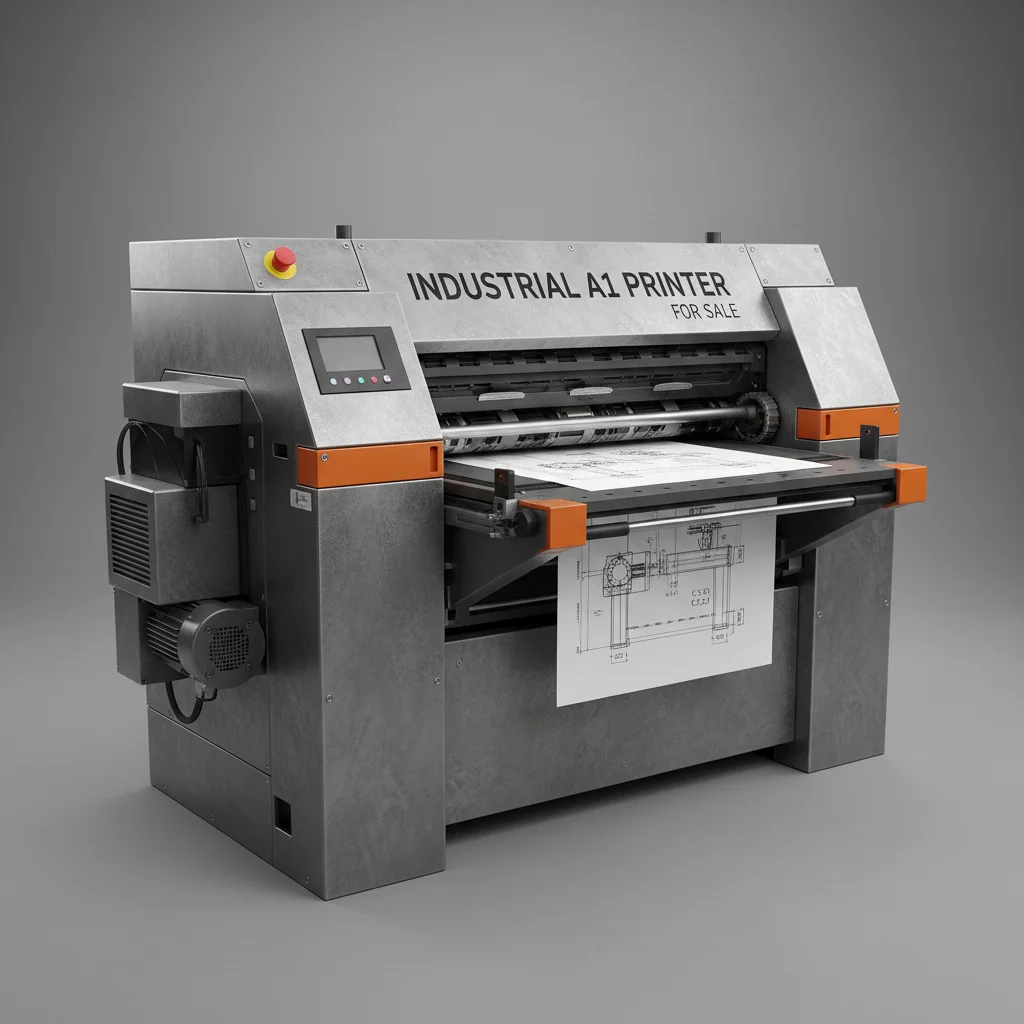
The global printing landscape has undergone a massive transformation, yet the fundamental need for precision and durability remains constant. High-performance screen printing equipment continues to be the backbone of industrial marking, textile production, and electronic circuitry, providing a versatility that digital alternatives often cannot match. For professionals, the choice of hardware directly dictates the consistency of the output and the longevity of the production cycle.
In an era where micron-level accuracy is required for high-tech components, the evolution of frame systems and tensioning mechanisms has become critical. Many manufacturers struggle with mesh relaxation and registration errors, which lead to costly waste and downtime. Addressing these challenges requires a shift toward professional-grade tools that offer active stability and repeatable tension.
By investing in advanced screen printing equipment, businesses can significantly reduce their operational overhead while enhancing the sharpness of their prints. From the delicate requirements of LCD screens to the rugged demands of textile banners, the right equipment ensures that every impression is a perfect replica of the original design.

The Role of High-Tension Frame Systems
The foundation of any high-quality print begins with the stability of the screen frame. The Self Stretching Roller Aluminum Screen Printing Frame represents a leap in engineering, utilizing over 30 years of proven technology to solve the age-old problem of mesh sagging. By integrating a professional roller system, these frames maintain rigidity far beyond industry benchmarks, ensuring that the mesh remains taut throughout the entire production run.
Unlike standard systems, this specialized approach allows for active retensioning between print runs and after the reclaiming process. This capability is vital for maintaining the integrity of high-tension screens, which in turn delivers sharper details and flawless registration. For any shop looking to upgrade their screen printing equipment, moving toward self-stretching roller systems is the most effective way to eliminate misalignment.
Engineering Standards for Industrial Durability
Industrial-grade equipment must withstand the rigors of continuous use, chemical exposure, and mechanical stress. The use of premium aluminum with a 1.5MM wall thickness ensures that frames remain lightweight for the operator while providing the structural strength necessary to support tensile strengths ranging from 25N/cm to 85N/cm. This balance of weight and strength reduces operator fatigue during frequent frame changes without compromising the frame's resistance to warping.
A critical detail often overlooked in lower-end equipment is the construction of the corners. Precision welded corners are essential to ensure that frames are entirely leak-free. This prevents ink or reclaiming chemicals from seeping into the frame structure, which could lead to corrosion or internal buildup. Such meticulous construction extends the lifespan of the tool and ensures a hygienic, professional workspace.
Furthermore, the humanized design of the roller system optimizes the overall workflow. By reducing the time spent on manual adjustments and screen stretching, production downtime is significantly minimized. In a high-volume environment, these incremental gains in efficiency translate directly into increased output and higher profitability.
Enhancing Precision in Specialized Applications
Precision is the defining factor when printing for the electronics and high-tech sectors. When working with multi-layered circuit boards (PCBs), the tolerance for error is virtually zero. High-quality screen printing equipment must provide absolute stability to ensure that conductive inks are deposited with micron-level accuracy, preventing short circuits or connection failures.
The Self Stretching Roller Frame is specifically engineered for these high-precision tasks. By maintaining consistent tension across the entire mesh surface, it eliminates the "ghosting" or blurring often associated with standard frames. This makes it the ideal choice for printing LCDs, CDs, and other components where visual clarity and spatial accuracy are non-negotiable.
Beyond electronics, this level of control is equally beneficial for luxury stationery and card printing. Whether it is a complex invitation or a high-end Christmas card, the ability to register multiple colors perfectly depends on the frame's rigidity. Utilizing professional screen printing equipment allows artists and commercial printers to push the boundaries of detail and color layering.
Comparative Efficiency of Tensioning Methods
Comparing traditional aluminum frames with self-stretching roller systems reveals a stark difference in operational efficiency. Traditional frames often experience a drop in mesh tension after every single run, requiring frequent manual intervention and repositioning. This inconsistency not only slows down the production line but also increases the likelihood of registration errors.
In contrast, roller-based systems maintain or even strengthen the mesh characteristics through the retensioning process. This leads to a significant reduction in production waste and a drastic decrease in setup time. The ability to rapidly tension the mesh ensures that the printer can move from one job to the next with minimal calibration.
Performance Metrics of Screen Printing Equipment Systems
Global Versatility Across Diverse Industries
The application of advanced roller frames extends far beyond a single niche. In the textile industry, these systems integrate seamlessly into garment production lines, allowing for high-volume T-shirt and fabric printing with consistent ink deposits. Similarly, the advertising sector relies on this equipment for large-scale promotional banners and signage, where high visibility and crisp edges are required for brand impact.
The versatility of this screen printing equipment also makes it fully compatible with automatic screen printing machinery. For high-volume industrial runs, the combination of automated precision and roller-frame stability creates a production powerhouse capable of delivering thousands of units with zero deviation in quality.
Maximizing ROI Through Equipment Longevity
Return on investment in the printing industry is measured by the balance between initial capital expenditure and the cost of consumables and waste. While premium roller frames may have a higher entry cost than basic aluminum frames, their long-term value is significantly greater. By extending the lifespan of the mesh through controlled tension, printers spend less on replacement mesh and emulsion.
Furthermore, the reduction in production waste—caused by misalignment and registration shifts—directly impacts the bottom line. When a print run for a high-value client is executed without errors, the trust and reliability of the business are strengthened, leading to repeat contracts and a stronger market reputation.
Maintenance is also streamlined. The smooth aluminum surfaces are designed for rapid reclaiming, meaning the frames can be cleaned and prepped for the next job much faster than traditional materials. This increased turnover rate ensures that the equipment is always generating revenue rather than sitting idle in the washout booth.
Future-Proofing Your Printing Production Line
As the industry moves toward further automation and stricter quality controls, the demand for equipment that can interface with digital workflows is growing. The integration of high-tension roller frames with automatic printers is just the beginning. We are seeing a trend toward "smart" tensioning and materials that can withstand even higher pressures without warping, allowing for even finer detail in electronic printing.
Sustainability is also becoming a core focus. By utilizing durable, recyclable aluminum and reducing chemical waste through more efficient reclaiming processes, modern screen printing equipment is helping shops meet green energy and environmental standards without sacrificing productivity.
Ultimately, the goal is a seamless transition from design to final product. Whether you are specializing in UV DTF, traditional silk screening, or PCB manufacturing, the hardware you choose today defines your capacity for growth tomorrow. Investing in precision-engineered frames ensures that your business remains competitive in an increasingly demanding global market.
Comparison of Frame Systems for Industrial Production
| Frame Type |
Tension Stability |
Setup Efficiency |
Primary Application |
| Standard Aluminum |
Moderate (Drops) |
Manual/Slow |
Basic Apparel |
| Self Stretching Roller |
High (Maintained) |
Rapid/Automatic |
PCB / LCD / High-End |
| Wood Frame |
Low (Warp-prone) |
Very Slow |
Artistic/Entry-level |
| Heavy Duty Welded |
Stable (Fixed) |
Moderate |
Industrial Signage |
| Precision Alloy |
Very High |
Fast |
Medical/Aerospace |
| Hybrid Roller |
Dynamic |
Instant |
Multi-substrate Auto |
FAQS
Unlike standard frames, the roller system allows for retensioning the mesh between print runs and after reclaiming. This ensures the mesh remains tight and consistent, which directly improves print registration, eliminates ghosting, and enhances the overall sharpness of the detail.
Yes, it is specifically designed for use with auto-printing machines. The premium aluminum construction and roller system provide the necessary rigidity and stability required for high-speed automated production lines without risking frame warping.
Absolutely. Due to their high tension capabilities (up to 85N/cm) and exceptional stability, they are the ideal choice for high-precision applications including LCDs, CDs, and multi-layered circuit board printing where micron-level accuracy is required.
The system supports a wide mesh tensile strength range from 25N/cm to 85N/cm. This allows users to customize and maintain the exact tension required for specific print jobs, ensuring the mesh is neither too loose for blurring nor too tight for breakage.
Yes, all corners are precisely welded to provide leak-free frames. This is a critical feature that ensures chemicals and inks do not seep into the frame structure, maintaining the integrity of the aluminum and simplifying the reclaiming process.
We offer a comprehensive range of sizes including standard (18"x22" up to 25"x36"), metric (20x30cm up to 60x70cm), and large formats (up to 120x150cm) to accommodate everything from small labels to massive industrial banners.
Conclusion
The transition to professional, high-tension roller frames is more than just a hardware upgrade; it is a strategic investment in quality and efficiency. By solving the fundamental problem of mesh relaxation and offering unmatched stability, this screen printing equipment allows producers to achieve consistent, high-precision results across a vast array of industries, from textile art to high-tech electronics.
As the printing industry continues to evolve toward greater automation and tighter tolerances, adopting these advanced systems will be the key to staying competitive. We encourage printing professionals to evaluate their current waste rates and setup times and consider the long-term ROI that comes with precision-engineered equipment. For those ready to elevate their production standards, the right tools are the first step toward perfection. Visit our website: www.silkscreenprintingsupply.com