Comprehensive Guide to Choosing the Right Screen Printing Equipment for Your Business
Comprehensive Guide to Choosing the Right Screen Printing Equipment for Your Business
Choosing the Right Screen Printing Equipment for Your Business
Investing in screen printing equipment is a crucial step for any business venturing into custom apparel, signage, or promotional products. With a wide range of options available, selecting the right equipment can be daunting. This guide will provide a comprehensive overview of the different types of screen printing equipment, factors to consider when making a purchase, and how to choose the best setup to meet your specific needs. We will cover everything from manual presses to automatic machines, helping you maximize efficiency and profitability.

Understanding Different Types of Screen Printing Equipment
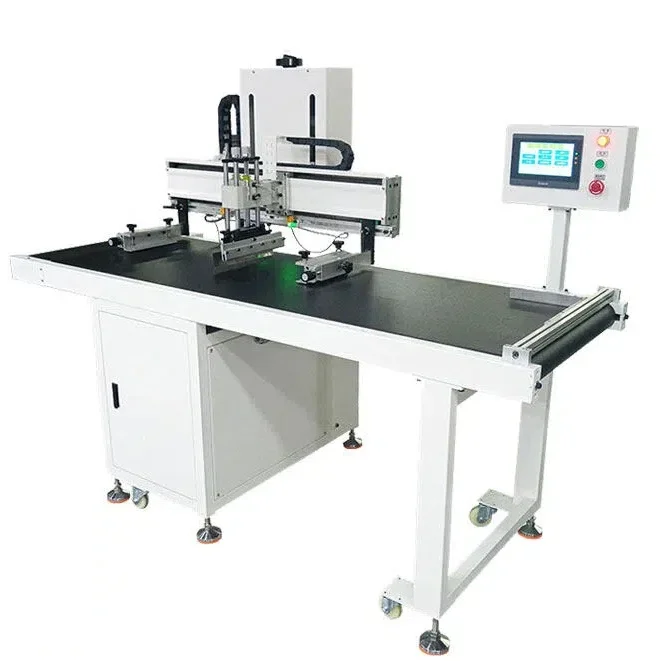
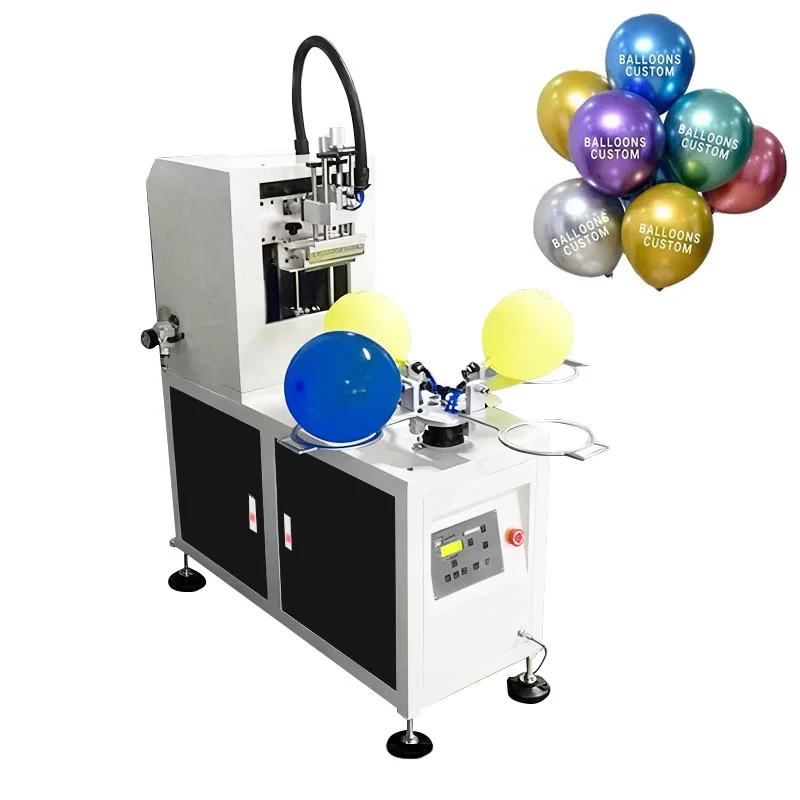
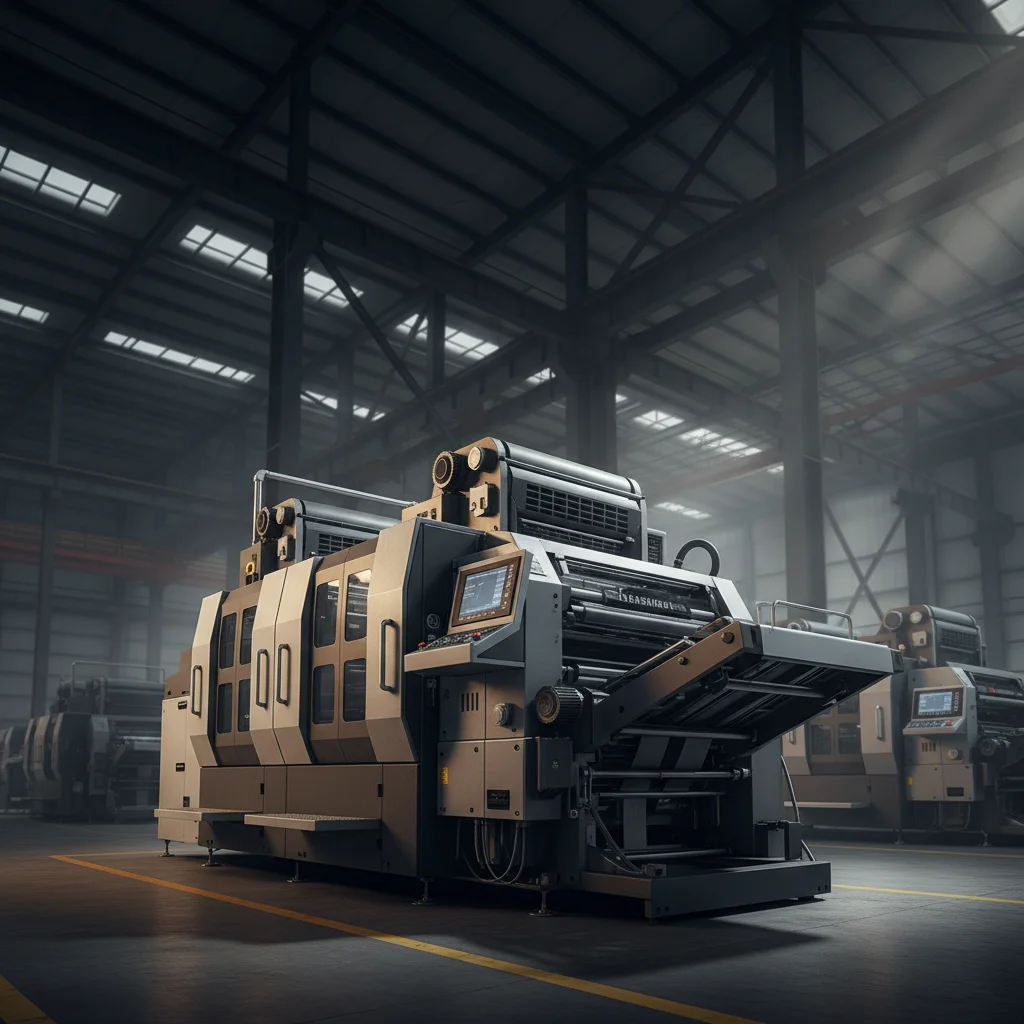
The world of screen printing equipment can be broadly categorized into manual, semi-automatic, and fully automatic machines. Manual presses are the most affordable option and ideal for beginners or small-scale production. They require more physical effort but offer greater control for intricate designs. Semi-automatic presses streamline the process with features like automatic pallet elevation, reducing fatigue and increasing speed. Fully automatic presses are the most expensive but offer the highest production capacity, suitable for large-volume orders. Alongside the presses themselves, you’ll need essential equipment like screens, squeegees, inks, exposure units, and flash dryers. Choosing the right combination depends on your budget, production volume, and the complexity of your designs.
Key Takeaway: The best equipment isn’t always the most expensive. Carefully assess your needs and choose equipment that aligns with your business goals and budget.
Essential Equipment Beyond the Press
While the press is the heart of the operation, several other components are critical for successful screen printing. Exposure units are used to create stencils on screens using photosensitive emulsion. Flash dryers partially cure ink between colors, allowing for multi-color prints. Screens themselves come in various mesh counts, impacting the detail and ink deposit. High mesh counts are ideal for fine details, while lower mesh counts are suitable for bold designs. Squeegees are used to force ink through the stencil onto the substrate. Different durometers (hardness) of squeegees affect ink flow and print quality. Finally, you'll need a consistent supply of screen printing inks, specifically formulated for the materials you're printing on (e.g., textiles, plastics, wood).
Essential Accessory Checklist:
• Exposure Unit
• Flash Dryer
• Variety of Screens (different mesh counts)
• Squeegees (various durometers)
• Screen Printing Inks
Manual vs. Automatic Screen Printing Equipment: A Detailed Comparison
Choosing between manual and automatic screen printing equipment is a major decision. Manual presses are cost-effective for startups and offer flexibility for small batches or custom designs. However, they require significant physical effort and are slower for larger production runs. Automatic presses, while a substantial investment, offer increased speed, consistency, and reduced labor costs. They are ideal for high-volume orders and businesses seeking to scale their production. Let's compare them side-by-side:
Factors to Consider Before Purchasing
Before investing in screen printing equipment, carefully evaluate your business needs. Consider your budget, production volume, the types of materials you'll be printing on, and the complexity of your designs. Don't forget to factor in the cost of maintenance, supplies, and potential training. Also, think about the space you have available for equipment and workflow. Investing in quality equipment and proper training will pay off in the long run with increased efficiency, reduced errors, and higher-quality prints.
Where to Buy and Resources
Silkscreen Printing Supply is a trusted source for all your screen printing needs. We offer a wide selection of equipment, supplies, and expert advice to help you get started or expand your business. We’re dedicated to providing high-quality products and exceptional customer service. Explore our online catalog or contact us today to discuss your specific requirements.
Conclusion: Investing in Quality for Success
Choosing the right screen printing equipment is an investment in the future of your business. By carefully considering your needs and selecting reliable equipment from a trusted supplier like Silkscreen Printing Supply, you can set yourself up for success and deliver high-quality prints that exceed your customers’ expectations.
Frequently Asked Questions (FAQs)
What is the average cost to start a screen printing business?
The initial investment can vary significantly. A basic manual setup with a press, screens, inks, and a flash dryer can start around $1,000 - $3,000. An automatic setup can easily exceed $10,000. Remember to budget for supplies, software (for design and file preparation), marketing, and workspace costs. Consider starting small and scaling up as your business grows. A detailed business plan will help you estimate costs accurately. The cost of supplies is ongoing, so factoring that into your budget is essential.
What types of inks are available for screen printing?
Several ink types are available, each suited for different materials and applications. Plastisol inks are the most common, offering vibrant colors and durability. Water-based inks are eco-friendly and softer to the touch, ideal for textiles. Solvent-based inks are used for printing on plastics and other non-porous surfaces. UV inks are cured with ultraviolet light and offer exceptional durability. Selecting the right ink is crucial for achieving the desired print quality and washability.
How do I maintain my screen printing equipment?
Regular maintenance is key to prolonging the life of your equipment. Clean screens thoroughly after each use with screen wash. Keep your squeegees clean and sharp. Regularly inspect your press for loose bolts or worn parts. Lubricate moving parts as needed. Store inks and supplies properly to prevent drying or contamination. Following the manufacturer’s recommendations for maintenance will help prevent costly repairs and ensure consistent print quality.
Where can I find training for screen printing?
Numerous resources are available for learning screen printing, including online courses, workshops, and community colleges. Silkscreen Printing Supply offers workshops and resources. YouTube is also a valuable source of free tutorials. Hands-on experience is crucial, so consider taking a class or apprenticeship to gain practical skills.