• Home
  • Top Blog
  • Revolutionizing Textile Printing with the Advanced dtf Machine Technology
0%

Table of Contents

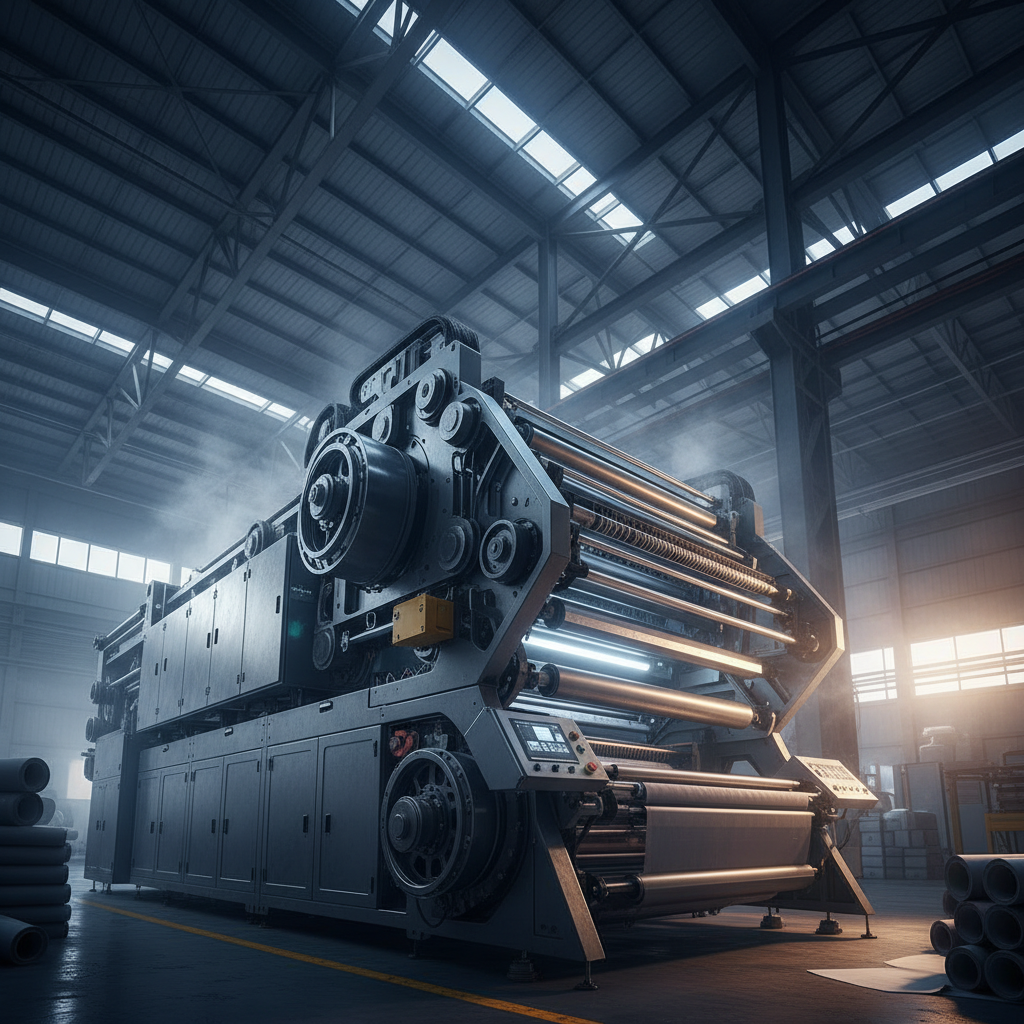
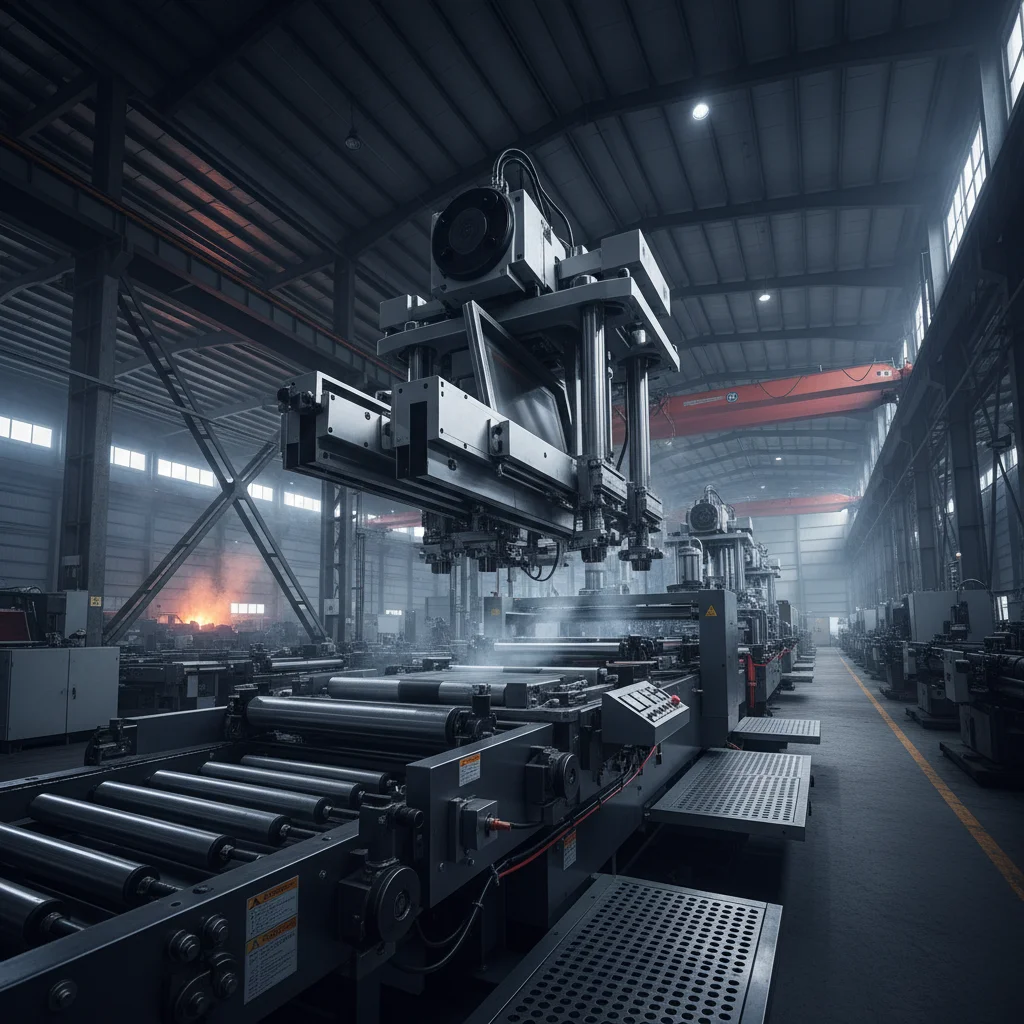
The realm of digital textile printing has been revolutionized by the advent of the dtf machine. This innovative technology allows for high-quality, durable prints on a wide variety of fabrics, opening up new possibilities for customization, small-batch production, and on-demand fulfillment. The impact extends beyond fashion, influencing areas like promotional merchandise, sportswear, and even artistic textile creations. Understanding the capabilities and nuances of a dtf machine is becoming increasingly crucial for businesses and individuals alike seeking to navigate the evolving landscape of textile decoration.

The global market for digital textile printing is experiencing significant growth, driven by factors such as increasing demand for personalized products, faster turnaround times, and reduced environmental impact compared to traditional methods. According to industry reports, the digital textile printing market is projected to reach billions of dollars in the coming years, with dtf technology playing a substantial role in this expansion. This growth presents opportunities for entrepreneurs and established businesses to tap into a lucrative and rapidly evolving sector.

At its core, the dtf machine addresses the challenges of traditional textile printing methods, such as screen printing’s setup costs and limitations with complex designs, and direct-to-garment (DTG) printing’s fabric compatibility issues. It offers a versatile and cost-effective solution, enabling high-resolution prints on virtually any fabric type and color, without the need for extensive pre-treatment.
dtf machine

The Fundamentals of dtf machine

dtf machine

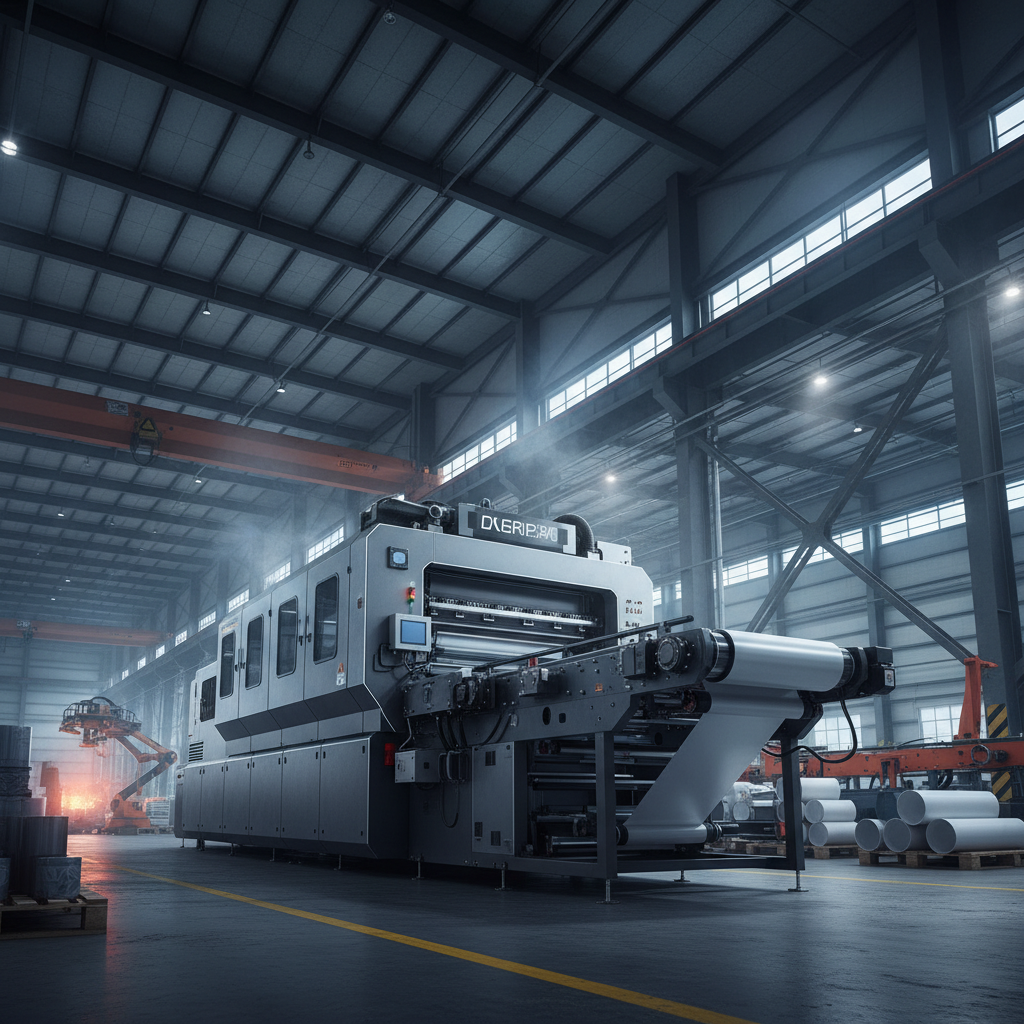
A dtf machine, or Direct-to-Film machine, is a specialized digital printing system designed to transfer designs onto textiles. Unlike traditional methods, it prints onto a special film, which is then transferred to the garment using heat. This process enables printing on a wider range of fabrics – including cotton, polyester, blends, and even nylon – without the need for pre-treatment or complex setup procedures.

The core principle behind a dtf machine lies in its ability to create a highly durable and vibrant print. The inks used are specially formulated to adhere to the film and withstand washing and wear. This makes it ideal for producing apparel, accessories, and other textile products that require a long-lasting and high-quality finish.

Defining dtf machine Technology

The dtf machine represents a significant leap forward in textile printing technology. It bridges the gap between the simplicity of direct-to-garment (DTG) printing and the versatility of screen printing. The process begins with a digital design being sent to the printer, which then deposits specialized water-based inks onto a PET film. This film serves as a carrier for the design.

Once printed, the film is then coated with a powder adhesive. This adhesive is crucial, as it allows the design to bond securely to the fabric during the heat transfer process. The heat press applies both heat and pressure, melting the adhesive and permanently fusing the design onto the textile.

This technology is particularly relevant in a world demanding rapid prototyping and customization. It allows for on-demand printing, eliminating the need for large minimum order quantities, and empowers businesses to offer personalized products with ease.

Core Components and Operational Aspects

A typical dtf machine system comprises several key components. These include the printer itself, often an Epson printhead-based system modified for dtf inks; the PET film used as the transfer medium; the hot melt powder adhesive; a curing oven or heat press; and the necessary software for design creation and print control.

The operational process begins with design creation using graphic design software. The design is then imported into the dtf printing software, which controls the ink deposition onto the PET film. After printing, the film is passed through a powdering machine or manually dusted with the adhesive powder. Finally, the film is cured, either in an oven or using a heat press, to melt the adhesive and prepare it for transfer.

Understanding the interplay between these components is essential for achieving optimal print quality and durability. Factors such as ink viscosity, powder adhesion, and heat press temperature and pressure all play critical roles in the final outcome.

Performance Metrics of a dtf machine

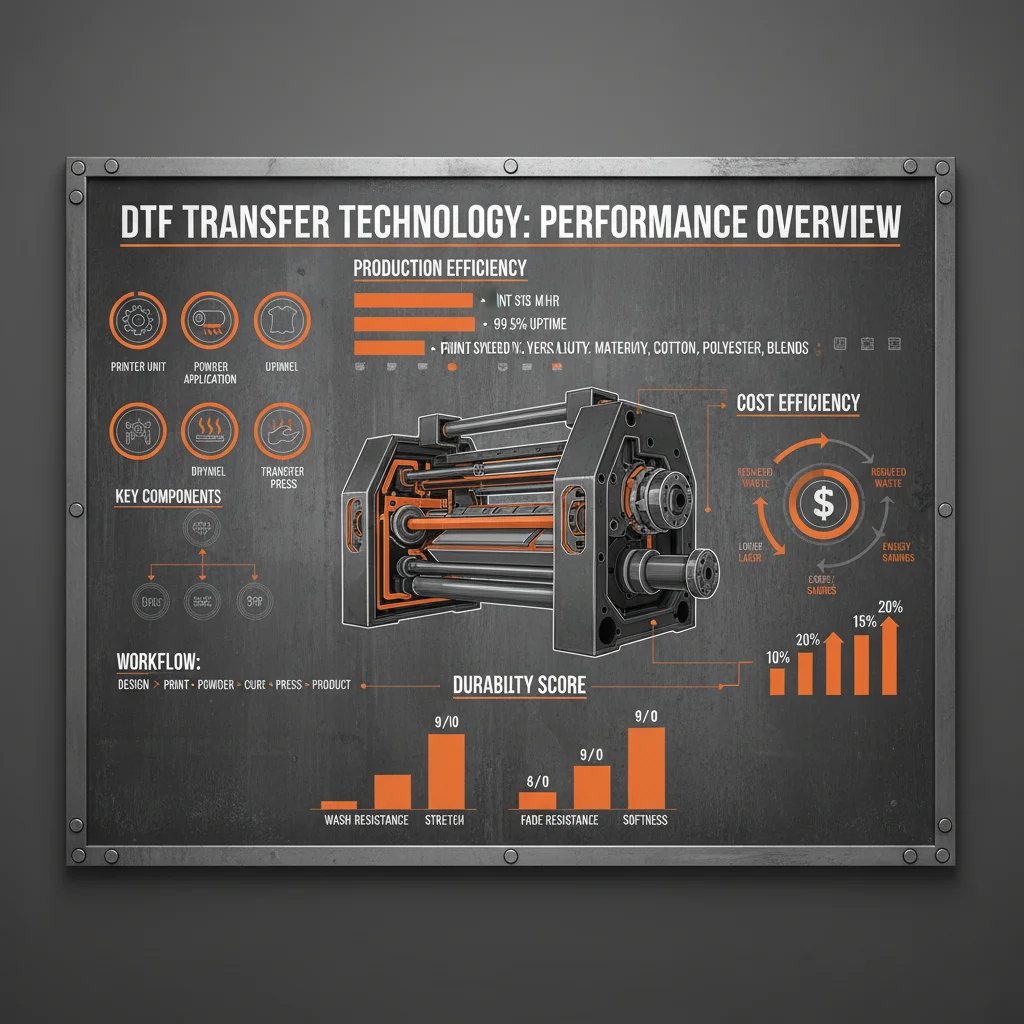
Evaluating the performance of a dtf machine requires considering several key metrics. Print resolution, measured in DPI (dots per inch), determines the clarity and detail of the image. Color vibrancy and accuracy are critical, dependent on the quality of the inks and the printer’s color management system.

Durability, assessed by wash tests and abrasion resistance, reflects the longevity of the print. Production speed, measured in square feet per hour, is essential for assessing efficiency and output capacity.

DTF Machine Performance Comparison

Global Applications of dtf machine

The applications of a dtf machine are diverse and span various industries. In the apparel sector, it’s utilized for producing custom t-shirts, hoodies, and sportswear. In the promotional merchandise industry, it enables the creation of branded apparel and accessories.

Beyond these core applications, dtf printing is gaining traction in areas such as fashion design, where it allows for intricate patterns and unique textures, and in the creation of personalized gifts and home decor items. Globally, countries with established textile industries, such as China, India, and Bangladesh, are witnessing a rapid adoption of this technology.

Benefits and Long-Term Value Proposition

The benefits of investing in a dtf machine are numerous. Cost-effectiveness, particularly for small to medium-sized businesses, is a significant advantage due to reduced setup costs and waste. The ability to print on a wide range of fabrics eliminates the need for multiple printing systems, streamlining production processes.

The durability and wash-fastness of dtf prints enhance product quality and customer satisfaction. Furthermore, the technology’s environmental advantages, such as reduced water consumption and lower VOC emissions, contribute to a more sustainable production model.

From a long-term perspective, dtf offers a scalable solution that can adapt to evolving market demands and production volumes. It empowers businesses to offer customized products, enhance brand identity, and maintain a competitive edge in a dynamic industry.

Future Trends in dtf machine Technology

The future of dtf machine technology is poised for continued innovation. Developments in ink formulations are focused on enhancing color vibrancy, improving wash resistance, and reducing environmental impact. Automation features, such as robotic film loading and powder application, are expected to increase production efficiency.

Integration with digital design platforms and e-commerce solutions will further streamline the printing process and facilitate on-demand customization. Furthermore, research into sustainable materials, such as biodegradable PET films and eco-friendly adhesives, is gaining momentum.

Ultimately, the convergence of these trends will lead to more efficient, sustainable, and versatile dtf printing solutions, solidifying its position as a leading technology in the textile industry.

DTF Machine: A Comparative Analysis of Key Attributes

Machine Model Print Speed (sq ft/hr) Ink Cost per Sq Ft ($) Maximum Print Resolution (DPI)
DTF-100 15 0.05 1440
DTF-200 25 0.06 2880
DTF-300 30 0.07 1440
DTF-400 18 0.04 2880
DTF-500 22 0.055 1440
DTF-600 35 0.065 2880

FAQS

What is the typical lifespan of prints created with a dtf machine?

Prints created with a quality dtf machine, using appropriate inks and proper curing, can last for a considerable time – often exceeding 50-100 washes. The actual lifespan will depend on factors like fabric type, washing conditions, and print design complexity, but it generally offers superior durability compared to many other printing methods.

Can a dtf machine print on all types of fabrics?

One of the major advantages of dtf printing is its versatility. A dtf machine can print on a wide range of fabrics, including cotton, polyester, blends, nylon, leather, and even some non-woven materials. This eliminates the need for multiple printing systems to accommodate different fabric types.

What is the initial investment cost for a dtf setup?

The initial investment for a dtf setup varies depending on the machine size, features, and included accessories. A basic setup, including the printer, film, powder, and heat press, can range from a few thousand dollars to upwards of ten thousand dollars for industrial-grade equipment. It's essential to consider long-term costs like ink and maintenance as well.

What maintenance is required for a dtf machine?

Regular maintenance is crucial for optimal performance. This includes periodic printhead cleaning, ink system flushing, and filter replacement. Keeping the machine clean and free of dust is also important. Following the manufacturer’s guidelines for maintenance will extend the lifespan and reliability of your dtf machine.

Is dtf printing environmentally friendly?

Compared to traditional textile printing methods, dtf printing is generally considered more environmentally friendly. It uses water-based inks, which have lower VOC emissions, and reduces water consumption. The ability to print on-demand also minimizes waste from overproduction. Furthermore, research into biodegradable films is making the process even more sustainable.

What software is compatible with dtf machines?

Most dtf machines are compatible with popular graphic design software such as Adobe Photoshop, Illustrator, and CorelDRAW. Additionally, specialized RIP (Raster Image Processor) software is often included to optimize print settings, manage color profiles, and control the printing process. The specific software compatibility may vary depending on the machine model.

Conclusion

In conclusion, the dtf machine represents a paradigm shift in textile printing, offering a compelling combination of versatility, cost-effectiveness, and quality. Its ability to print on a wide range of fabrics, coupled with its durability and ease of use, makes it an attractive solution for businesses and individuals seeking to embrace customized textile production. From apparel to promotional merchandise, the applications are vast and continue to expand as the technology evolves.

Looking ahead, the future of dtf printing is bright. Continued innovation in ink technology, automation, and sustainable materials will further enhance its capabilities and solidify its position as a leading force in the textile industry. We encourage you to explore the possibilities of dtf printing and discover how it can transform your business. Visit our website at www.silkscreenprintingsupply.com to learn more and browse our selection of dtf machines and supplies.

Michael Thompson

Michael Thompson

Michael Thompson serves as the Product Development Engineer at Shenze Jiamei. He’s responsible for researching and implementing innovative features in our screen printing equipment. Michael has a background in materials science and a keen eye for detail. Since starting at Jiamei in 2020, he’s been instrumental in the improvement of our automatic stretching machines and the design of our latest DTF printer models. Michael collaborates closely with our manufacturing team in China to ensure seamless product development and quality control. He holds several patents for improvements in mesh tensioning systems.
Previous Revolutionizing Textile Decoration with the Advanced dtf printing machine
Next Understanding DTF Printer Price and Investment Opportunities for Businesses

If you are interested in our products, you can choose to leave your information here, and we will be in touch with you shortly.