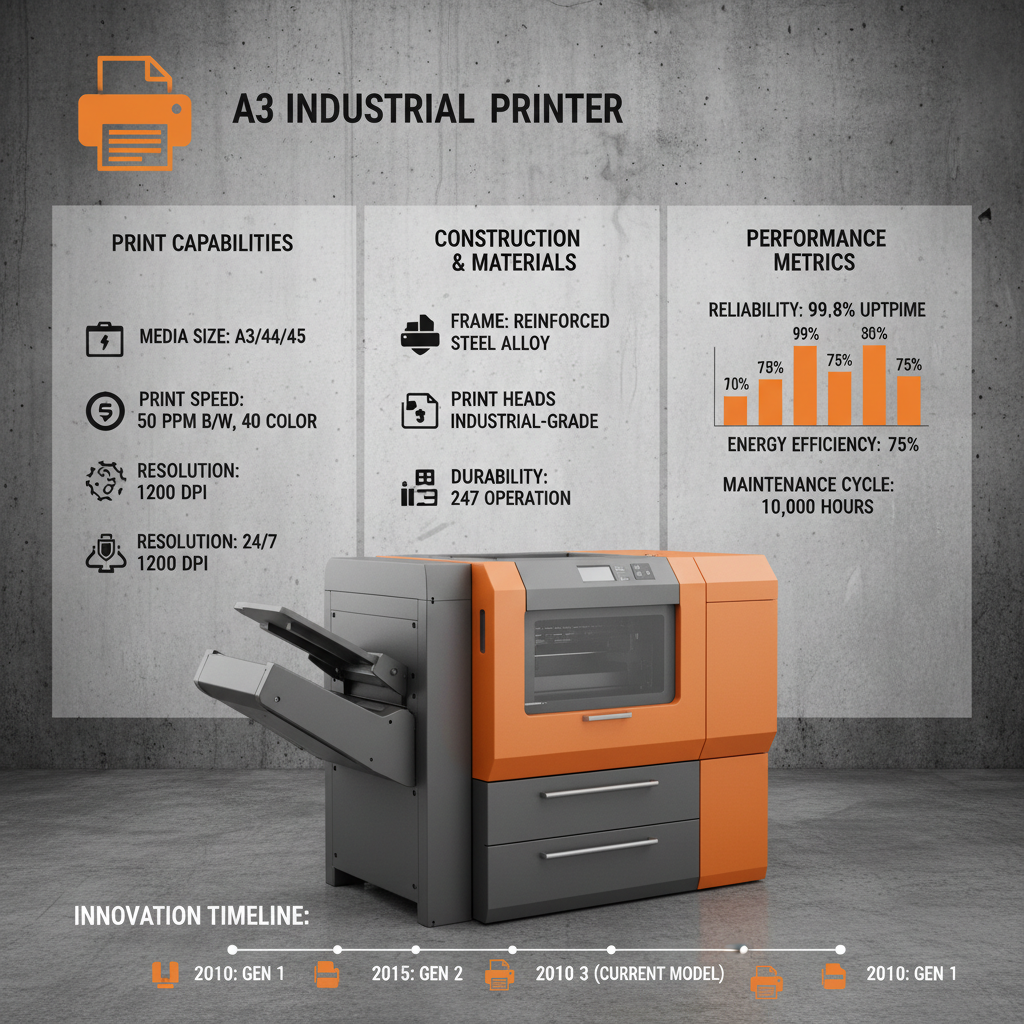
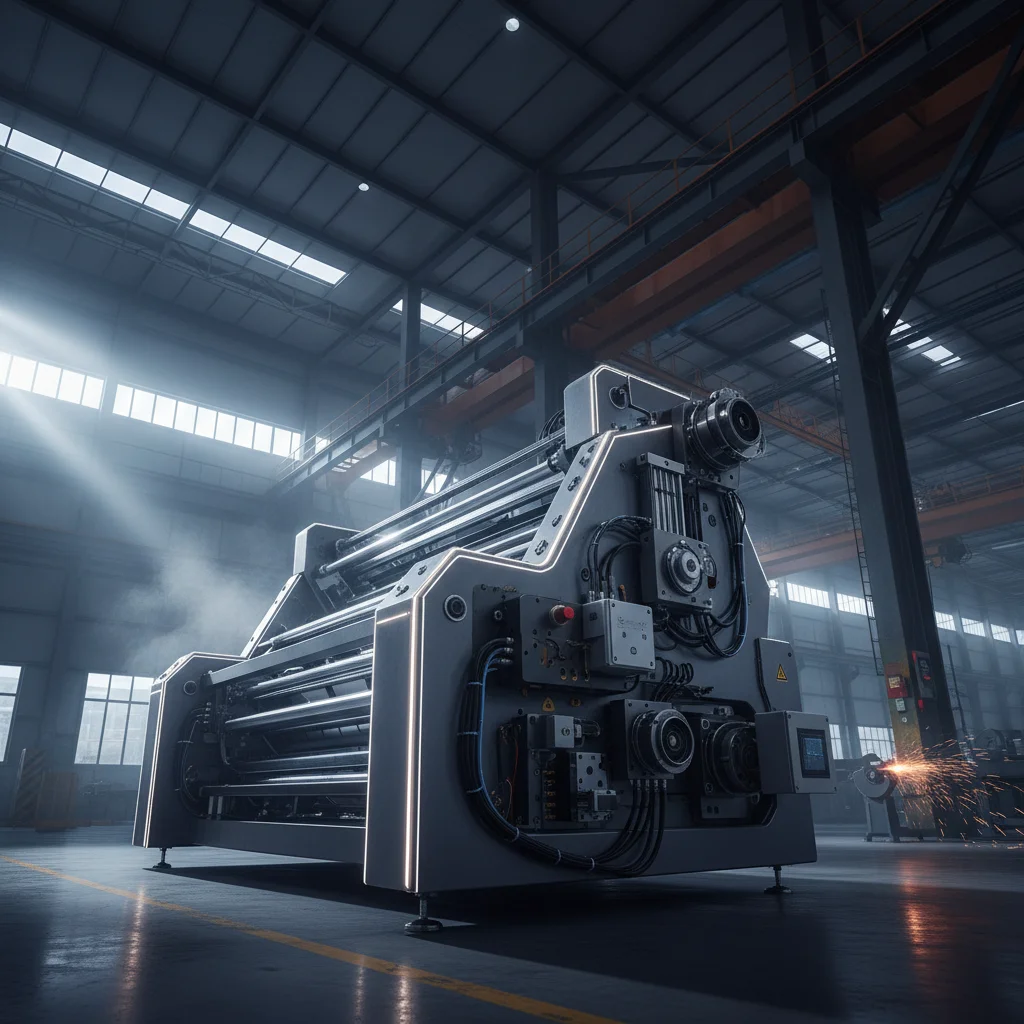
In the modern landscape of industrial printing and graphic design, the a3 printer serves as a critical bridge between small-scale desktop output and large-format industrial production. For professionals in screen printing and specialized equipment manufacturing, having a device that can handle the A3 format (297 x 420 mm) allows for the creation of high-fidelity positives and detailed technical drafts without the overhead of a full-scale wide-format plot.
The global demand for versatile printing solutions has surged as personalized manufacturing and "on-demand" printing become industry standards. From boutique screen printing shops to engineering firms, the integration of a reliable a3 printer ensures that precision is maintained across all stages of production, reducing waste and increasing the speed of prototyping.
Understanding the nuances of A3 printing technology is not just about hardware specifications; it is about optimizing the entire workflow of a production house. By leveraging the right equipment, businesses can scale their operations, enhance their creative capabilities, and ensure that their final products meet the stringent quality standards required by international markets.
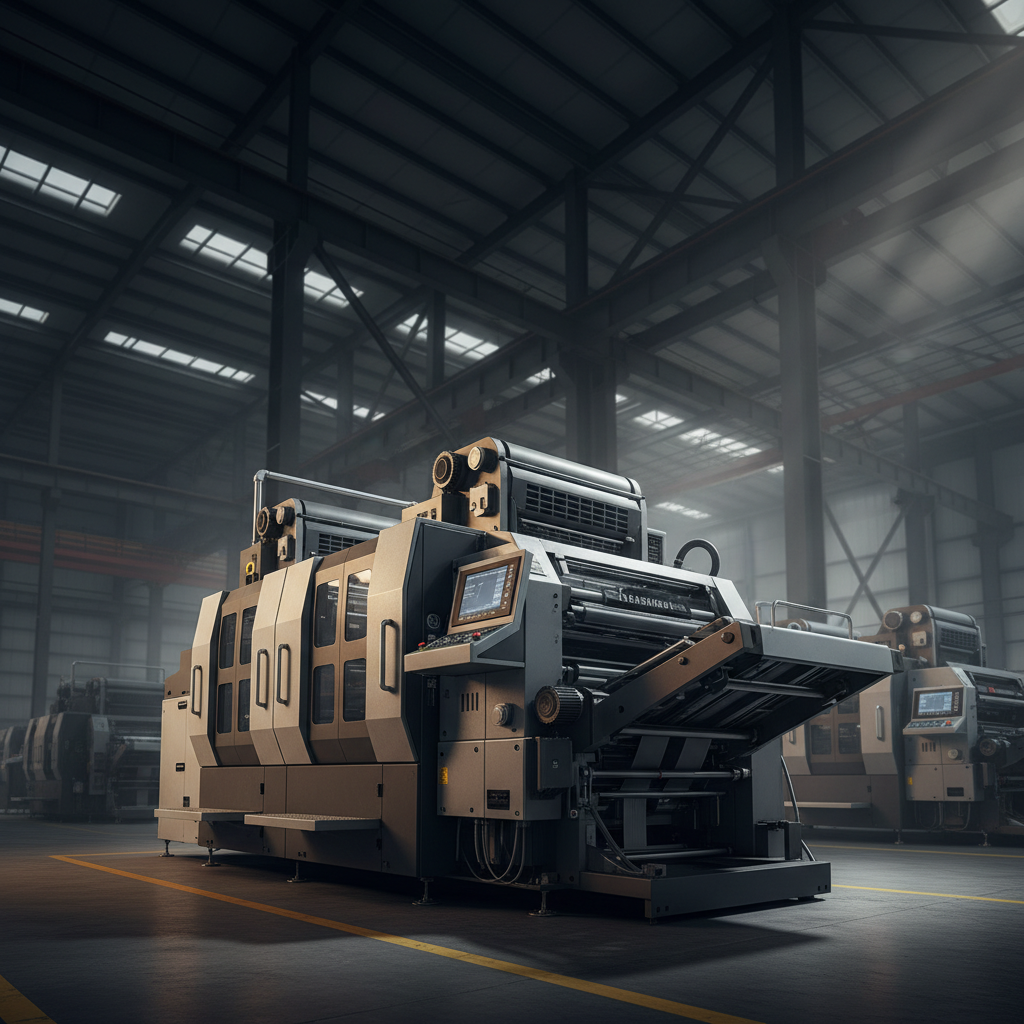
Global Relevance and Industry Context of A3 Printing
On a global scale, the precision of an a3 printer is essential for maintaining ISO-compliant standards in technical documentation and screen printing film output. As the manufacturing sector shifts toward agile production, the ability to quickly pivot from a design concept to a physical template is a competitive necessity. Statistics suggest that mid-sized printing enterprises have seen a significant uptick in the adoption of A3-capable hardware to bridge the gap between A4 office prints and massive industrial banners.
The primary challenge addressed by these machines is the "resolution-to-size" ratio. In specialized equipment manufacturing, an A4 print is often too small for a detailed screen positive, while a large-format printer is too costly and slow for a single prototype. The a3 printer solves this by providing the optimal surface area for most screen printing frames while maintaining the high DPI (dots per inch) required for sharp edge definition.
Defining the Role of the A3 Printer in Modern Manufacturing
In simple terms, an a3 printer is a high-precision output device capable of printing on sheets twice the size of standard A4 paper. In the context of specialized equipment manufacturing—specifically for screen printing—it is not merely an office tool but a production instrument used to generate high-density blacks on transparency films, which are then used to expose emulsions on screens.
This connection to modern industry is profound. Whether it is for creating UV-curable designs or traditional ink-based positives, the A3 format allows manufacturers to produce complex circuitry patterns or textile designs that require a larger field of view. This eliminates the need for "tiling" (printing in pieces and taping them together), which often introduces alignment errors and ruins the professional finish of the final print.
Furthermore, the humanitarian and educational sectors utilize this technology to create instructional posters and architectural layouts in remote zones where full-scale printing presses are unavailable. By providing a compact yet powerful solution, the a3 printer democratizes access to professional-grade visual communication.
Core Components for Maximum Printing Performance
Durability is the first pillar of any professional a3 printer. Industrial environments are often prone to dust and temperature fluctuations; therefore, a robust chassis and high-quality print heads are required to ensure that the machine does not drift in calibration during long production runs. This reliability ensures that every positive film is an exact replica of the digital file.
Scalability refers to the printer's ability to integrate with larger workflows. A high-end a3 printer often features advanced RIP (Raster Image Processor) software, allowing the operator to control ink density with extreme precision. This is vital for screen printing, where "opacity" determines whether the UV light will penetrate the film during the exposure process.
Cost efficiency is achieved through the balance of ink consumption and output quality. By utilizing tank-based systems or high-capacity cartridges, an a3 printer reduces the cost per page, making it viable for businesses to print multiple iterations of a design to perfect the registration before moving to the expensive screen-burning phase.
Evaluating Scalability and Cost Efficiency
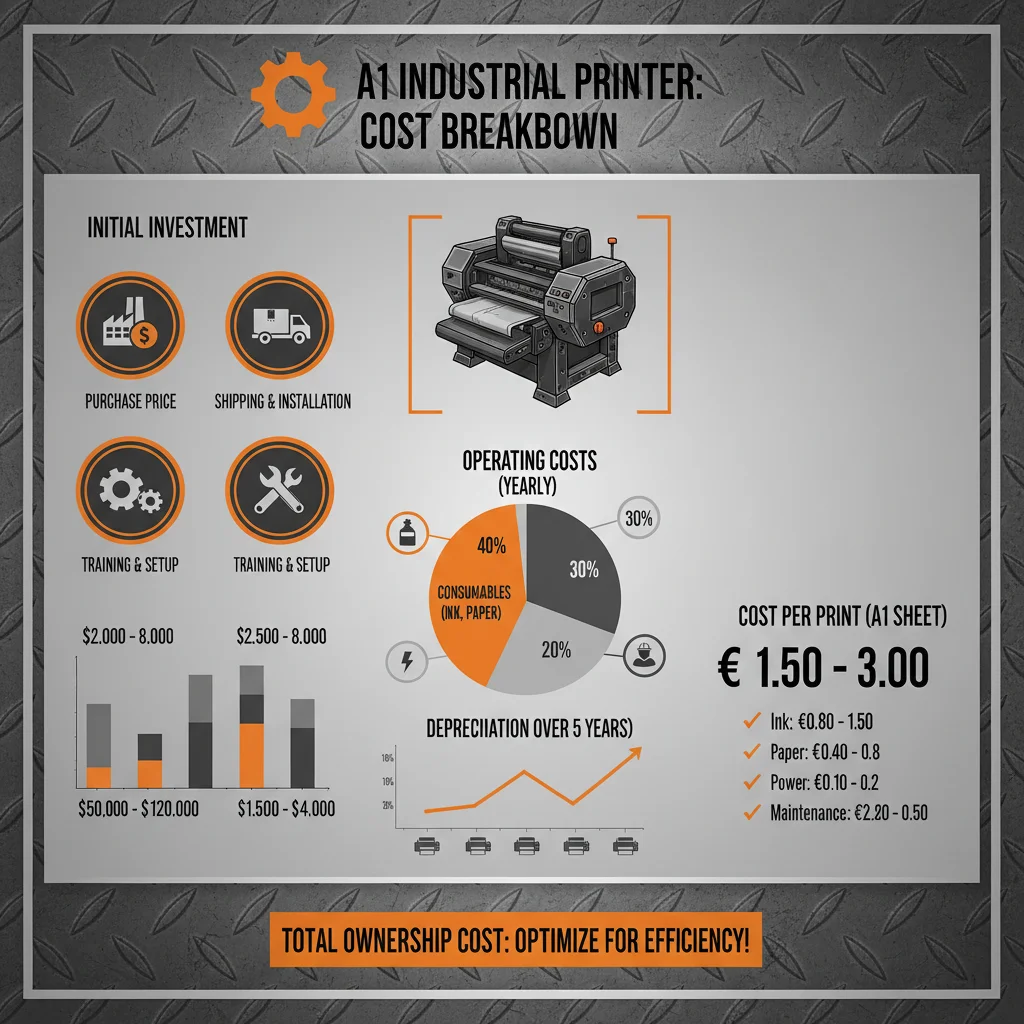
When assessing the ROI of an a3 printer, one must look beyond the initial purchase price. The true value lies in the reduction of outsourcing costs. Many small shops previously sent their film requirements to external bureaus; bringing this capability in-house via an A3 system reduces turnaround time from days to minutes.
Moreover, the ability to handle a wider range of media—from heavyweight cardstock to specialized transparency films—allows a single machine to serve multiple roles in the shop. This versatility ensures that the a3 printer remains a productive asset throughout the growth of the business.
Comparative Efficiency of A3 Printing Methods
Real-World Applications Across Industrial Sectors
In the apparel industry, an a3 printer is used to create the "film positives" that are subsequently transferred to screens. For instance, a designer in an urban fashion hub might print a complex 12-color separation on an A3 transparency, ensuring each color layer is perfectly registered. This allows for the production of high-end t-shirts with photographic detail.
Beyond textiles, in remote industrial zones or post-disaster relief operations, A3 printers are deployed to produce rapid site maps and equipment manuals. The ability to print a legible, large-scale diagram ensures that technicians can install critical infrastructure safely and accurately, proving that the a3 printer is as much a tool for safety as it is for art.
Long-Term Value and Sustainability Benefits
Investing in a high-quality a3 printer provides tangible long-term value through reduced material waste. Modern devices feature "precise ink droplet" technology, which minimizes overspray and ink bleed, ensuring that only the necessary amount of pigment is used. This not only lowers costs but also reduces the chemical footprint of the printing process.
From a logical angle, the reliability of a professional machine fosters trust between the manufacturer and the client. When a print shop can guarantee that an A3 positive is perfectly opaque and dimensionally accurate, the risk of "screen failure" during the washout process is virtually eliminated. This saves hours of labor and prevents the wasting of expensive emulsion.
Emotionally, the empowerment that comes from in-house production cannot be overstated. It gives creators the dignity of complete control over their vision. With an a3 printer, the transition from a digital spark to a physical masterpiece is seamless, fostering a culture of innovation and rapid iteration.
Future Innovations in A3 Printing Technology
The future of the a3 printer is leaning heavily toward digital transformation and automation. We are seeing the rise of "smart ink" systems that automatically calibrate based on the humidity and temperature of the room, ensuring that the ink viscosity remains constant. This is a game-changer for screen printing shops in tropical or extremely dry climates.
Sustainability is also driving the development of biodegradable ink cartridges and recycled paper paths. The next generation of A3 printers will likely incorporate AI-driven layout optimization, which automatically nests multiple designs on a single A3 sheet to minimize paper scrap, aligning the industry with global "green energy" and zero-waste policies.
Furthermore, the integration of UV-curable inks directly into A3 desktop formats is expanding. This allows the a3 printer to print not just on paper, but on rigid substrates like acrylic or thin aluminum, blurring the line between a standard printer and a specialized industrial fabrication tool.
Technical Comparison of A3 Printer Specifications and Utility
| Printer Category |
Max Resolution (DPI) |
Ink Type |
Industrial Suitability |
| Entry-Level A3 Inkjet |
1200 x 1200 |
Dye-based |
Low (Home Office) |
| Photo-Grade A3 |
2400 x 1200 |
Pigment-based |
Medium (Design Studio) |
| Eco-Tank A3 |
1800 x 1200 |
Bulk-fill Ink |
High (Small Shop) |
| Laser A3 Professional |
600 x 600 |
Toner Powder |
High (Corporate) |
| UV A3 Hybrid |
1440 x 1440 |
UV-Curable |
Very High (Manufacturing) |
| Plotter-Style A3+ |
2400 x 2400 |
Archival Ink |
High (Engineering) |
FAQS
The primary advantage is the print area. Most screen printing frames are larger than A4; using an a3 printer allows you to print the entire design on a single sheet of transparency film. This eliminates the need for tiling and taping, which prevents registration errors and ensures the design is perfectly centered on the screen.
Yes, but the ink density is crucial. You need a printer capable of producing a "deep black" that is completely opaque to UV light. Many professional a3 printer models allow you to increase ink saturation through RIP software to ensure the emulsion is properly blocked during exposure.
Absolutely. Eco-tank systems replace expensive cartridges with high-capacity ink reservoirs. For a business printing dozens of A3 positives daily, the cost per print drops significantly, making the a3 printer an asset that pays for itself within a few months of operation.
Consistency is key. We recommend printing a test page at least every three days to keep the ink flowing. Additionally, using high-quality, filtered ink and keeping the machine in a dust-free environment will extend the life of the print head in your a3 printer.
Adobe Illustrator and CorelDRAW are industry standards for creating vector art for A3 formats. However, for those in the printing industry, using a specialized RIP software alongside their a3 printer allows for superior control over halftone dots and ink density.
Most A3 printers can handle various films, but you must match the film coating to the ink type. Inkjet transparency films have a special coating to absorb liquid ink, whereas laser films are designed for heat-fused toner. Always verify the compatibility of the film with your specific a3 printer to avoid smearing.
Conclusion
In summary, the a3 printer stands as an indispensable tool for the modern manufacturing and printing professional. By balancing size, precision, and cost-efficiency, it enables the seamless creation of high-fidelity positives and technical drafts that are essential for quality screen printing. From the durability of its hardware to the scalability of its software, the A3 format provides the versatility needed to compete in a global market that demands both speed and perfection.
Looking forward, the integration of AI-driven optimization and eco-friendly materials will further enhance the value of these machines. For any business looking to scale its production or improve its internal workflow, investing in a professional-grade a3 printer is a strategic move toward autonomy and quality excellence. We invite you to explore our full range of compatible supplies and equipment to optimize your production line. Visit our website: www.silkscreenprintingsupply.com