Explore the Revolutionary World of UV DTF Printing Technology and Applications
Explore the Revolutionary World of UV DTF Printing Technology and Applications
UV DTF Printing: A Comprehensive Guide
UV DTF (Direct to Film) printing is a revolutionary technology taking the custom printing world by storm. Offering incredible versatility, durability, and a simplified process, it's quickly becoming a favorite for businesses and hobbyists alike. This article dives deep into the world of UV DTF printing, exploring its benefits, applications, required materials, and how it differs from traditional methods. Whether you’re looking to add a new revenue stream or simply create personalized items, understanding UV DTF is crucial.
What is UV DTF Printing?
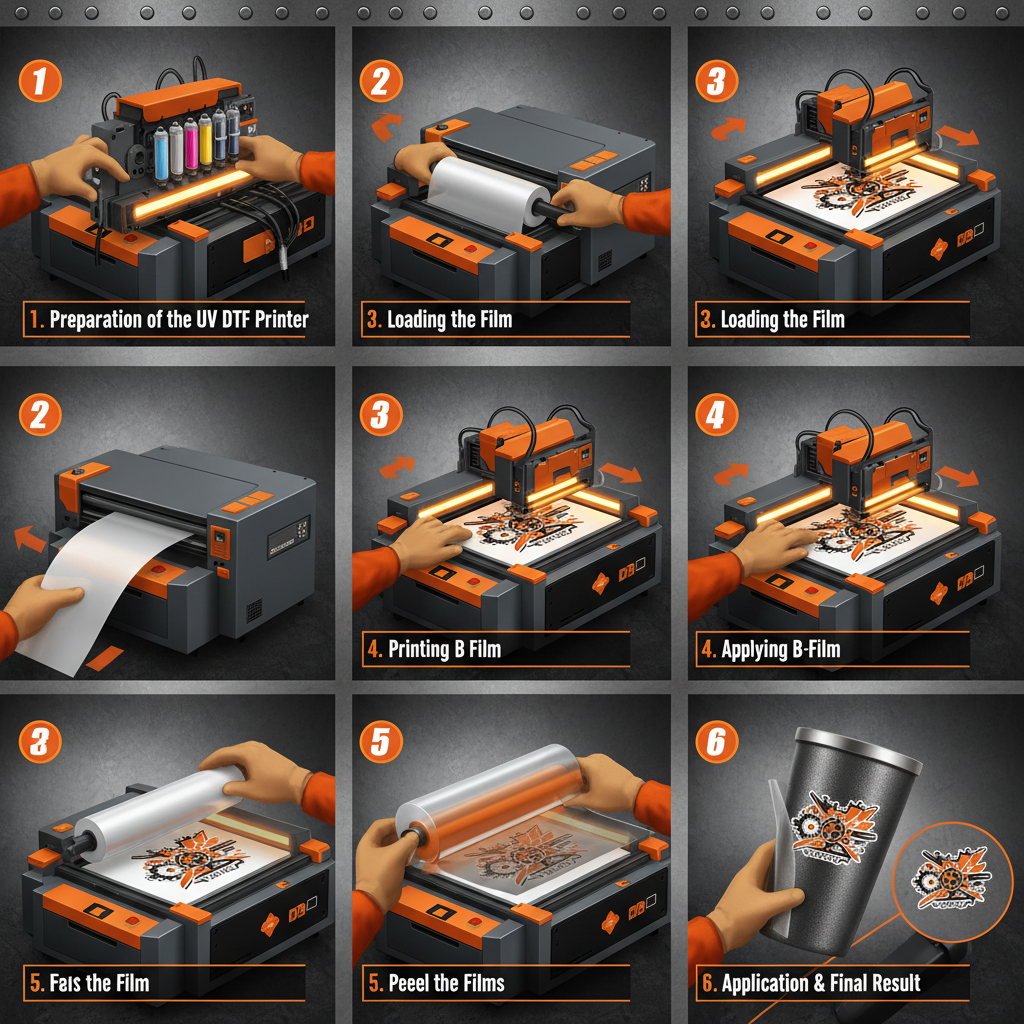
UV DTF printing involves printing a design onto a PET film using UV-curable inks. This film then receives a layer of adhesive, and is laminated onto the target substrate using heat and pressure. The key advantage of UV DTF is its ability to print on virtually any surface – glass, metal, plastic, wood, leather – without the need for pre-treatment in most cases. Unlike traditional DTF, which utilizes water-based inks, UV DTF uses UV inks, offering superior durability, scratch resistance, and vibrant colors. Silkscreen Printing Supply provides everything you need to start your UV DTF journey.
Key Highlights: UV DTF utilizes UV-curable inks for vibrant, durable prints. It's compatible with a wide range of materials, eliminating the need for extensive pre-treatment.
UV DTF vs. Traditional Printing Methods
Traditional printing methods like screen printing and vinyl cutting each have limitations. Screen printing requires creating stencils for each color, making it costly for low-volume orders. Vinyl cutting is limited to solid colors and lacks the detail achievable with UV DTF. Direct-to-garment (DTG) printing, while capable of complex designs, is restricted to fabrics. UV DTF bridges these gaps, offering full-color, high-resolution printing on a vast array of materials with minimal setup costs and impressive durability. Explore our UV DTF starter kits for a seamless transition.
UV DTF Advantages:
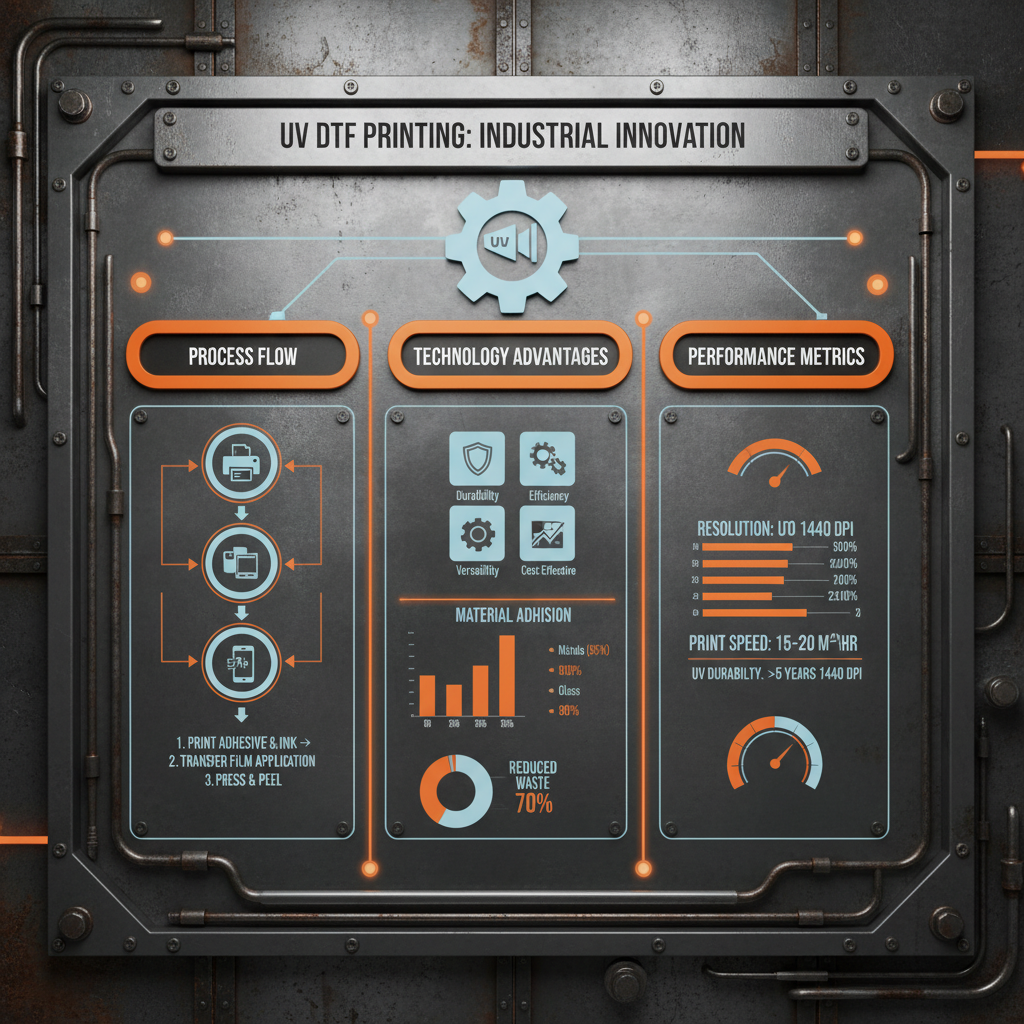
• Prints on virtually any surface.
• Superior durability and scratch resistance.
• Vibrant, full-color prints.
• Low setup costs.
The UV DTF Printing Process
The UV DTF process consists of several steps: First, your design is imported into specialized RIP software. The software prepares the design for printing. Next, the design is printed onto a PET film using a UV DTF printer. An adhesive layer is then applied to the printed film. Finally, the film is laminated onto the substrate using heat and pressure, leaving behind a durable, vibrant print. The beauty of this process lies in its simplicity and efficiency. We offer comprehensive training materials to help you master this technique.
Essential Materials for UV DTF Printing
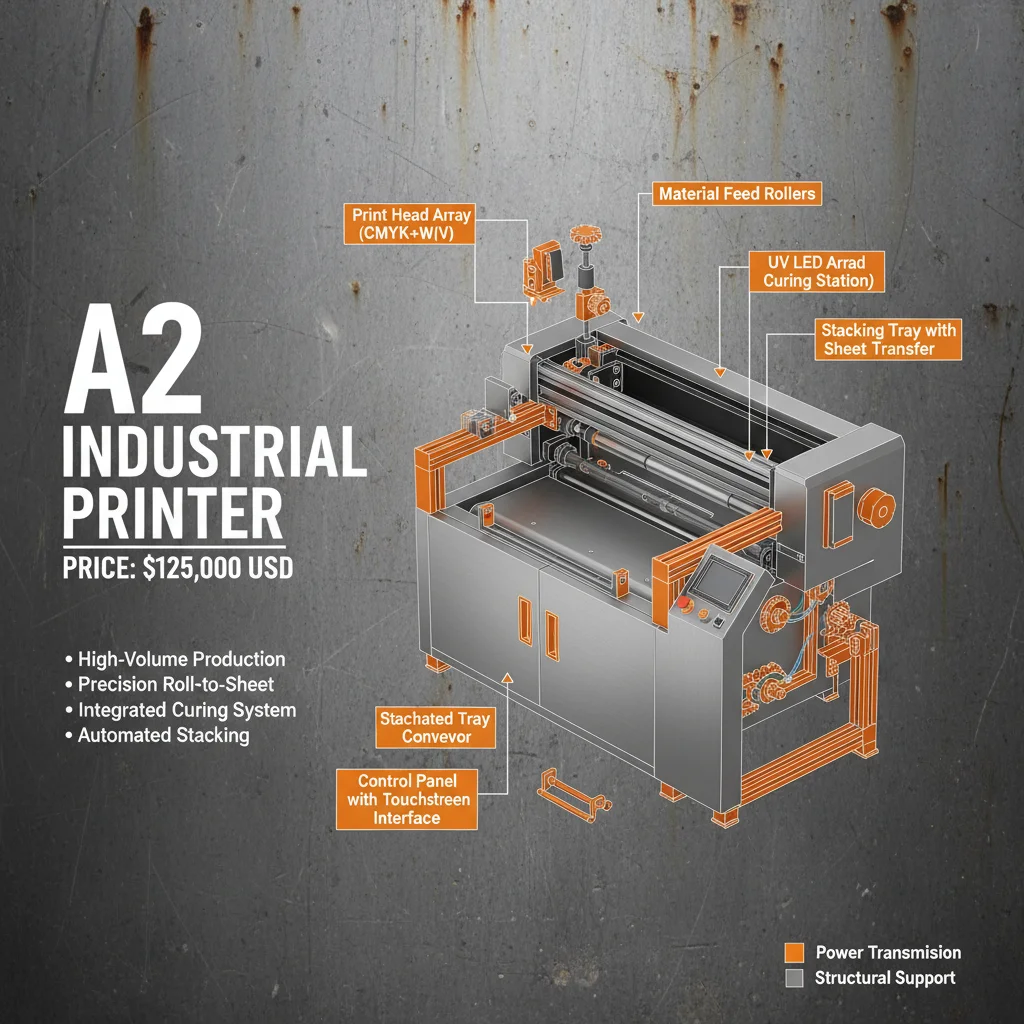
Successfully implementing UV DTF printing requires specific materials. A UV DTF printer is, of course, the core component. You'll also need PET film, UV-curable inks, an adhesive, a laminator, and RIP software. The quality of these materials directly impacts the final print result. Silkscreen Printing Supply offers a curated selection of high-quality UV DTF materials to ensure optimal performance.
Applications of UV DTF Printing
The applications for UV DTF printing are virtually limitless. From personalizing phone cases and water bottles to branding promotional items and creating custom signage, the possibilities are endless. It’s ideal for industries like giftware, advertising, industrial labeling, and even interior decoration. The ability to print on diverse materials opens up exciting new opportunities for customization and creativity. Browse our website for inspiration and discover how UV DTF can transform your business.
Conclusion: Embrace the Future of Printing with UV DTF
UV DTF printing represents a significant advancement in the printing industry. Its versatility, durability, and ease of use make it an attractive solution for businesses and individuals alike. By investing in UV DTF technology and sourcing high-quality materials from reputable suppliers like Silkscreen Printing Supply, you can unlock new creative possibilities and elevate your printing capabilities.
Frequently Asked Questions (FAQs)
What substrates can I print on with UV DTF?
UV DTF is renowned for its incredible versatility. You can successfully print on glass, metal, plastic, wood, leather, acrylic, and many other surfaces. Unlike some printing methods, UV DTF often requires minimal or no pre-treatment, making it exceptionally convenient. However, highly textured or porous surfaces may require a primer for optimal adhesion. It's always recommended to test a small area first to ensure compatibility.
What is the typical lifespan of a UV DTF print?
UV DTF prints offer excellent durability, generally lasting 1-3 years outdoors and significantly longer indoors. The lifespan depends on several factors, including UV exposure, abrasion, and the specific substrate. UV-curable inks are inherently resistant to fading and scratching, contributing to their longevity. Using high-quality materials, such as those available at Silkscreen Printing Supply, will maximize the durability of your prints.
How much does it cost to get started with UV DTF printing?
The initial investment for UV DTF printing can vary depending on the size and features of the printer you choose. Entry-level UV DTF printers start around $2,000-$5,000, while more advanced models can cost upwards of $10,000. You'll also need to factor in the cost of materials, RIP software, and a laminator. Silkscreen Printing Supply offers various starter kits to help you get up and running at a competitive price.
Is UV DTF printing environmentally friendly?
UV DTF printing is generally considered more environmentally friendly than some traditional methods, such as solvent printing. UV inks cure instantly with UV light, eliminating the need for heat and reducing volatile organic compound (VOC) emissions. However, proper disposal of waste materials, such as PET film and adhesive, is still essential. Choosing eco-friendly materials when available can further minimize the environmental impact.