Comprehensive Guide to Sourcing High Quality Screen Printing Equipment China
Comprehensive Guide to Sourcing High Quality Screen Printing Equipment China
Screen Printing Equipment China: A Comprehensive Guide
Sourcing high-quality screen printing equipment from China can significantly reduce costs and improve your production capabilities. However, navigating the market requires understanding the options, quality control, and reliable suppliers. This article provides a comprehensive overview of sourcing screen printing equipment from China, covering the types of equipment available, key considerations, and how to find reputable suppliers like Silkscreen Printing Supply. We'll explore the benefits and challenges, helping you make informed decisions for your business.
Types of Screen Printing Equipment Available from China
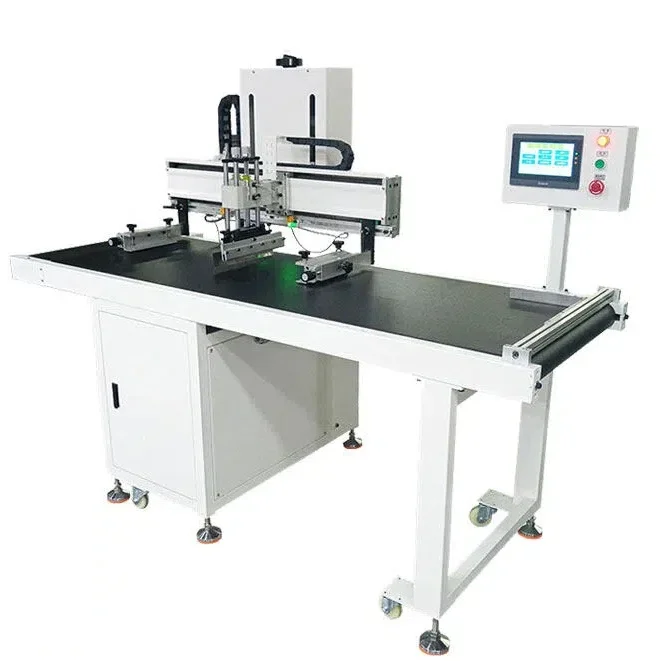
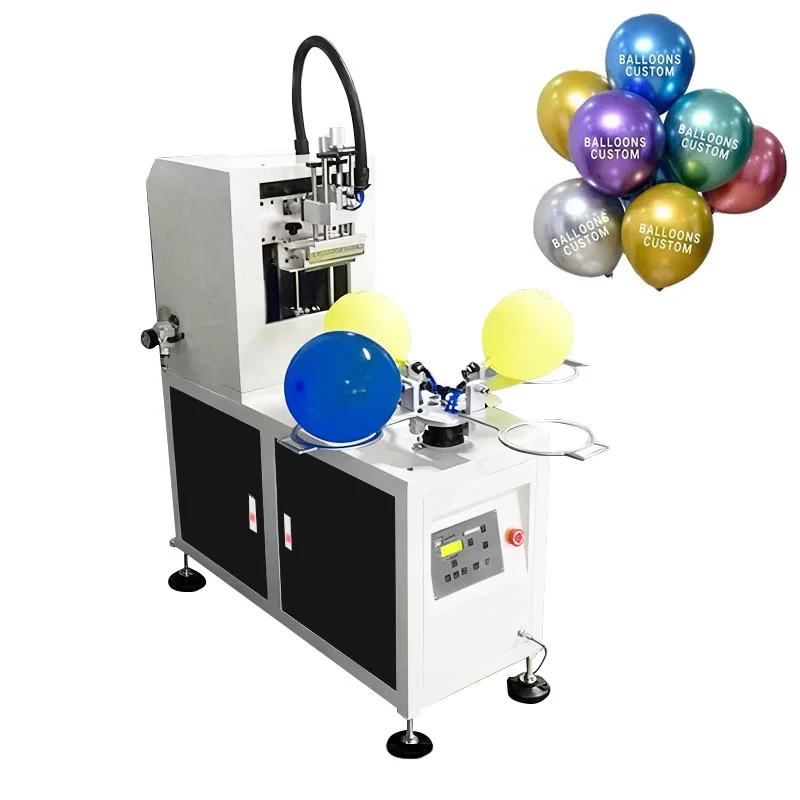
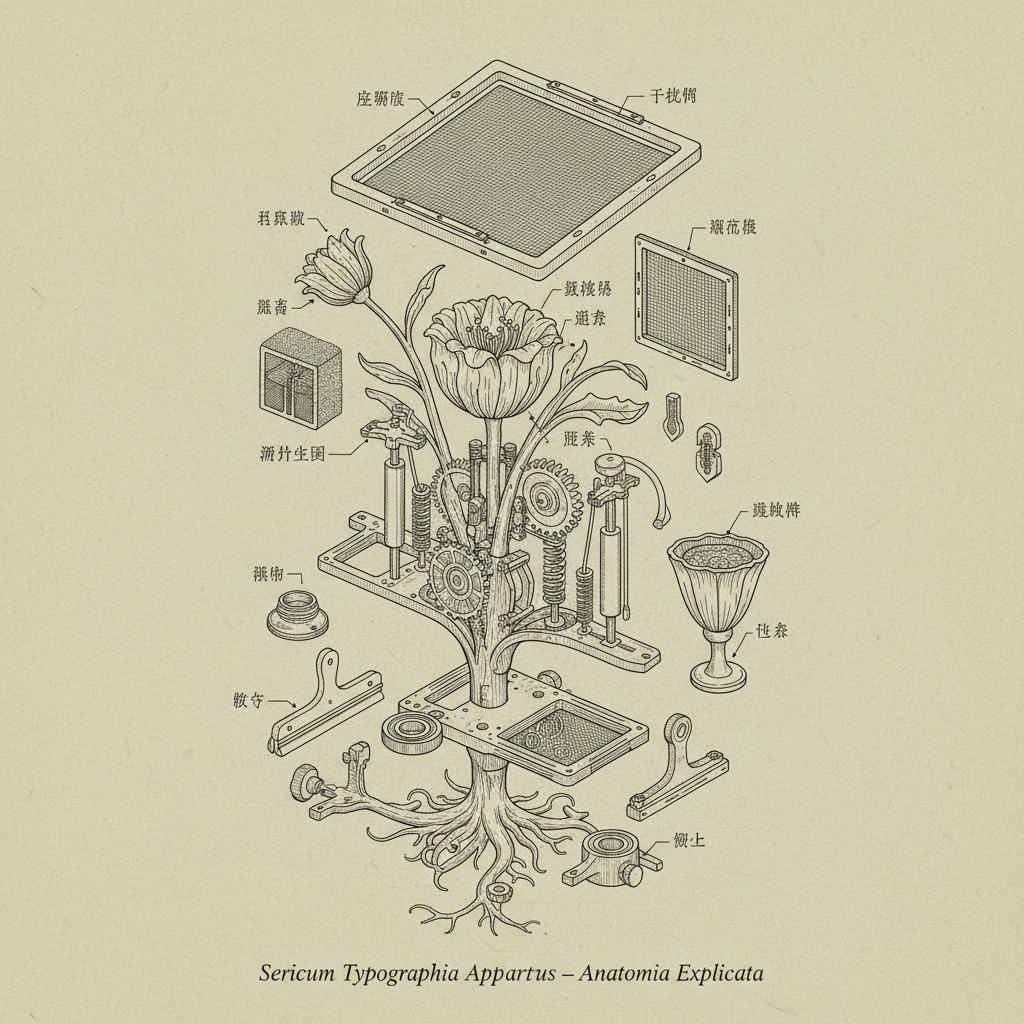
China offers a wide range of screen printing equipment, catering to various needs and budgets. Common types include manual screen printing presses, automatic screen printing machines, screen exposure units, screen drying cabinets, and screen reclaiming equipment. The quality varies greatly, so it’s vital to focus on reputable manufacturers. Many suppliers specialize in particular niches, such as textile printing or PCB screen printing. Understanding the specific requirements of your projects will help you narrow down your choices. Silkscreen Printing Supply offers a curated selection of reliable equipment.
Key takeaway: China offers a vast selection of screen printing equipment, but quality control and supplier selection are critical for success.
Understanding the Advantages of Sourcing from China
The primary advantage of sourcing screen printing equipment from China is cost-effectiveness. Manufacturing costs are generally lower, leading to significantly reduced prices compared to equipment from Western countries. Furthermore, many Chinese manufacturers offer customization options, allowing you to tailor the equipment to your specific needs. The sheer scale of the Chinese manufacturing industry also means a greater variety of options are available, offering more choice and potentially faster lead times. However, it’s crucial to be aware of potential drawbacks, such as quality control issues and longer shipping times.
Advantages of Sourcing from China:
• Lower manufacturing costs
• Customization options
• Wide variety of options
• Potentially faster lead times
Screen Printing Equipment China: Manual vs. Automatic Presses
Choosing between manual and automatic screen printing presses is a crucial decision. Manual presses are ideal for smaller businesses or those with low-volume production runs. They require more operator skill but are less expensive upfront. Automatic presses, on the other hand, are designed for high-volume production and offer greater consistency and speed. However, they represent a significant investment and require more space and maintenance. Silkscreen Printing Supply provides both manual and automatic presses to meet diverse needs.
Key Considerations When Sourcing Screen Printing Equipment from China
Several factors are critical when sourcing from China. Firstly, thorough supplier vetting is essential. Look for manufacturers with certifications, positive customer reviews, and a proven track record. Secondly, quality control is paramount. Consider employing a third-party inspection service to ensure the equipment meets your standards before shipping. Finally, understand the shipping and import procedures, including tariffs and customs regulations. Working with a reputable supplier like Silkscreen Printing Supply can streamline this process.
Finding Reliable Suppliers and Avoiding Pitfalls
Online platforms like Alibaba and Global Sources can connect you with potential suppliers, but due diligence is vital. Always verify the supplier’s business license, export qualifications, and factory audit reports. Request samples before placing a large order, and communicate clearly about your specifications. Be wary of prices that seem too good to be true, as they often indicate lower quality or hidden costs. Establishing a clear contract with detailed specifications and payment terms is essential. Silkscreen Printing Supply simplifies the process by offering a pre-vetted selection of reliable suppliers.
Conclusion: Making Informed Choices for Your Screen Printing Needs
Sourcing screen printing equipment from China can be a cost-effective and advantageous strategy, but it requires careful planning and due diligence. By understanding the types of equipment available, the key considerations, and how to find reliable suppliers, you can make informed choices that benefit your business. Partnering with trusted suppliers like Silkscreen Printing Supply can further streamline the process and ensure quality and reliability.
Frequently Asked Questions (FAQs)
What are the typical shipping costs for screen printing equipment from China?
Shipping costs vary significantly depending on the equipment's size, weight, and destination. Sea freight is generally the most cost-effective option for large equipment, but it takes longer. Air freight is faster but considerably more expensive. You should also factor in customs duties, taxes, and potential handling fees. Obtaining quotes from multiple freight forwarders is recommended. Expect to pay anywhere from a few hundred to several thousand dollars for shipping, depending on the specifics of your order.
How can I ensure the quality of screen printing equipment before it ships?
Employing a third-party inspection service is highly recommended. These services can inspect the equipment at the factory before shipment, verifying that it meets your specifications and quality standards. Request photos and videos of the inspection process. Consider a pre-shipment inspection, which includes testing the equipment's functionality and checking for any defects. Clear communication with the supplier regarding your quality expectations is also crucial.
What payment methods are commonly used when purchasing from Chinese suppliers?
Common payment methods include Telegraphic Transfer (TT), Letter of Credit (LC), and PayPal. TT is widely used, but it offers less protection to the buyer. LC provides greater security but is more complex and expensive. PayPal is convenient for smaller transactions but may have lower transaction limits. Always avoid sending full payment upfront. Negotiate a payment schedule with milestones tied to specific stages of production and inspection. Silkscreen Printing Supply offers secure payment options.
What should I do if I receive faulty screen printing equipment?
First, document the issue with photos and videos. Contact the supplier immediately and provide detailed information about the defect. Refer to your contract’s warranty and return policy. If the supplier is unresponsive, consider filing a dispute through the online platform where you made the purchase or seeking assistance from a trade association or legal professional. Having a clear contract and insurance can protect you in such situations.