Choosing the Ideal Silkscreen Printing Machine for Your Business Needs
Choosing the Ideal Silkscreen Printing Machine for Your Business Needs
Choosing the Right Silkscreen Printing Machine for Your Business
Investing in a silkscreen printing machine can revolutionize your business, whether you're starting a t-shirt venture, customizing promotional products, or handling large-scale production runs. However, with numerous options available, selecting the right machine requires careful consideration. This article provides a comprehensive guide to understanding the different types of silkscreen printing machines, their applications, and key features, empowering you to make an informed decision. We'll delve into the benefits of automated vs. manual machines, explore crucial specifications, and offer tips for maximizing your investment.
Understanding Different Types of Silkscreen Printing Machines
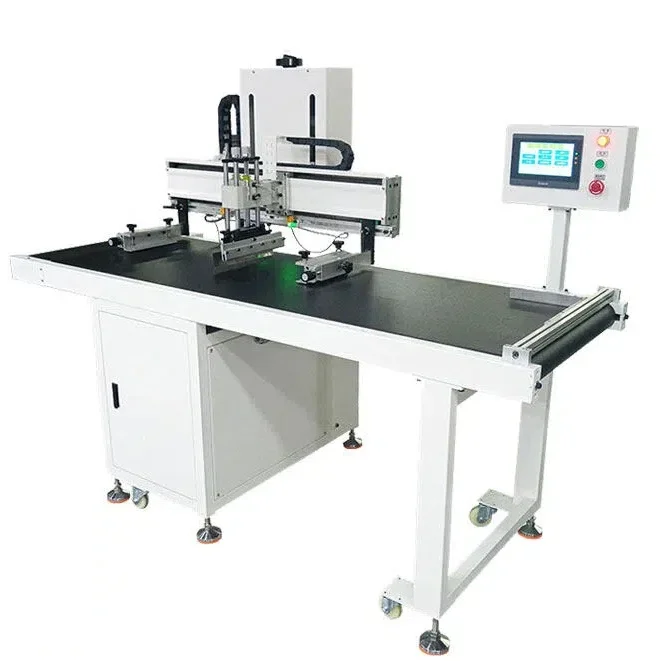
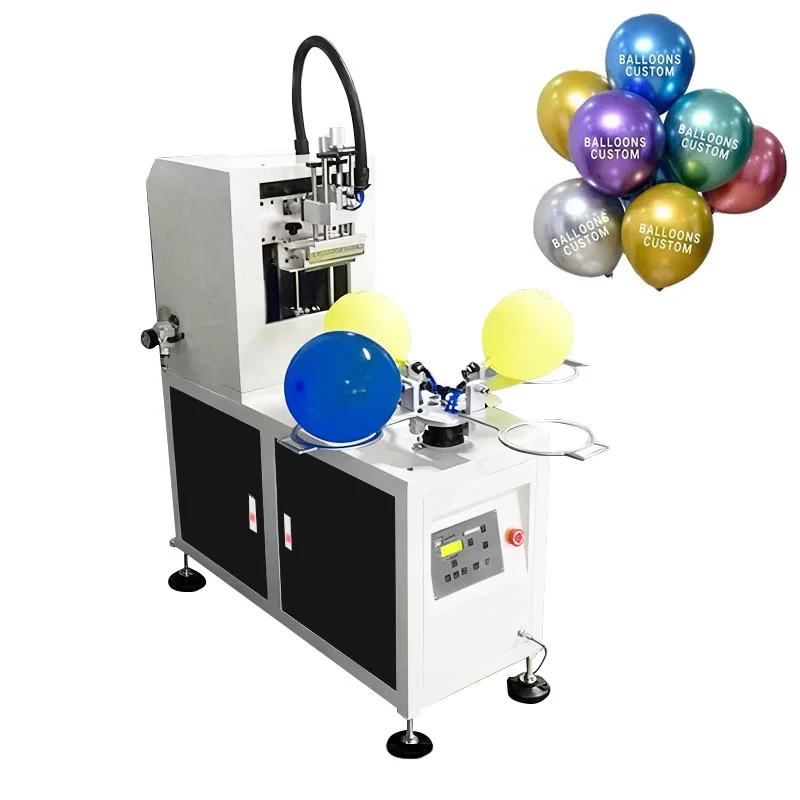
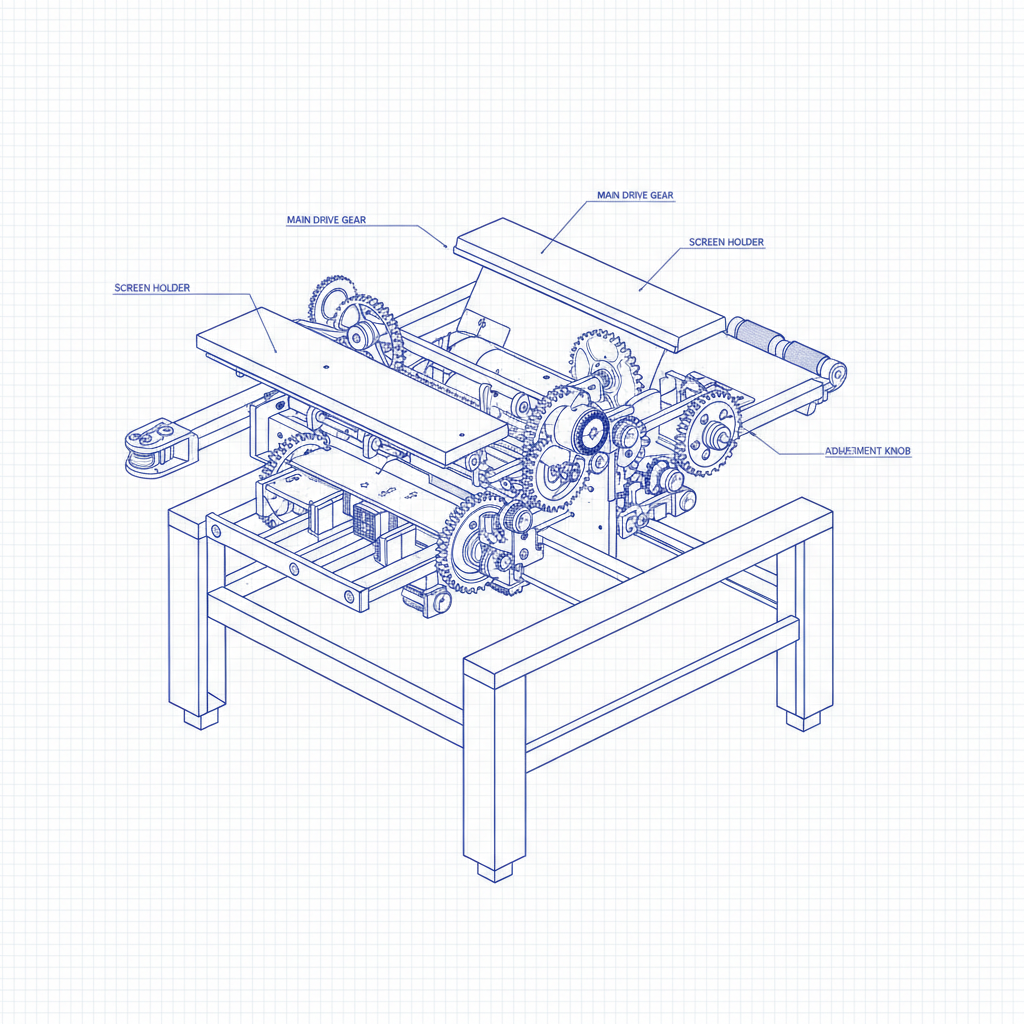
Silkscreen printing machines come in various configurations, primarily categorized as manual, semi-automatic, and fully automatic. Manual machines require significant operator involvement, ideal for small-batch, multi-color prints, and learning the process. Semi-automatic machines assist with certain functions like screen clamping and pallet rotation, increasing efficiency while still allowing for some manual control. Fully automatic machines, also known as automatic screen printing presses, handle all aspects of the printing process – from screen alignment to pallet movement – enabling high-volume production with minimal operator intervention. The best choice depends on your production volume, budget, and the complexity of your designs.
Key Takeaway: Selecting the appropriate machine type is crucial for optimizing your workflow and achieving desired production outputs. Consider your current and projected needs before investing.
Manual vs. Automatic Silkscreen Printing Machines: A Detailed Comparison
The decision between a manual and automatic silkscreen printing machine is significant. Manual machines are cost-effective and versatile, suitable for smaller businesses or those starting out. However, they are labor-intensive and slower. Automatic machines offer higher speeds and consistency but require a larger upfront investment and specialized training. The long-term cost-benefit analysis should account for labor costs, production volume, and the desired quality level.
Key Specifications to Consider When Buying a Silkscreen Printing Machine
When evaluating different silkscreen printing machines, several specifications are vital. These include the maximum print area, the number of color stations, pallet size, screen clamping system, and power requirements. The maximum print area determines the largest design you can print. More color stations allow for more complex multi-color designs without frequent screen changes. Pallet size dictates the maximum size of the item you can print on. Furthermore, consider the type of ink compatibility and the machine’s overall durability.
Factors Affecting Silkscreen Printing Machine Pricing
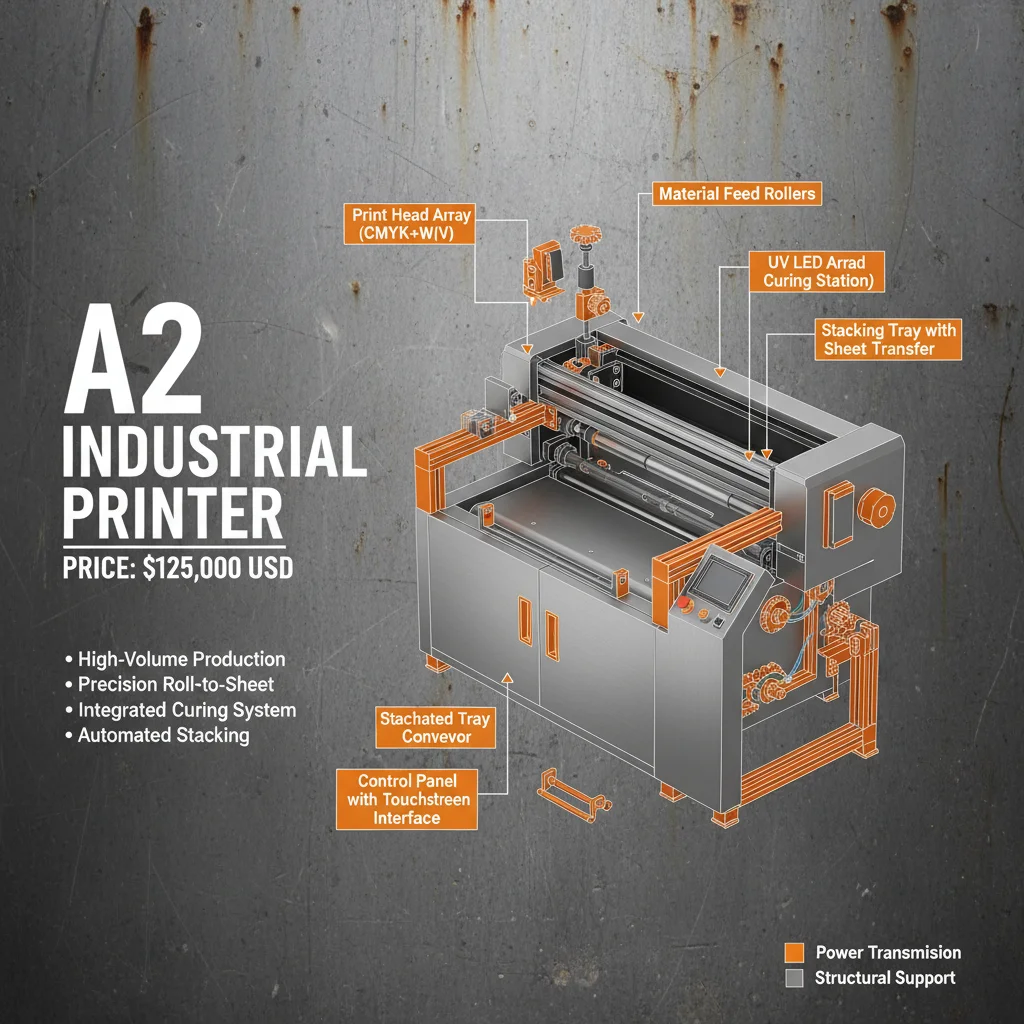
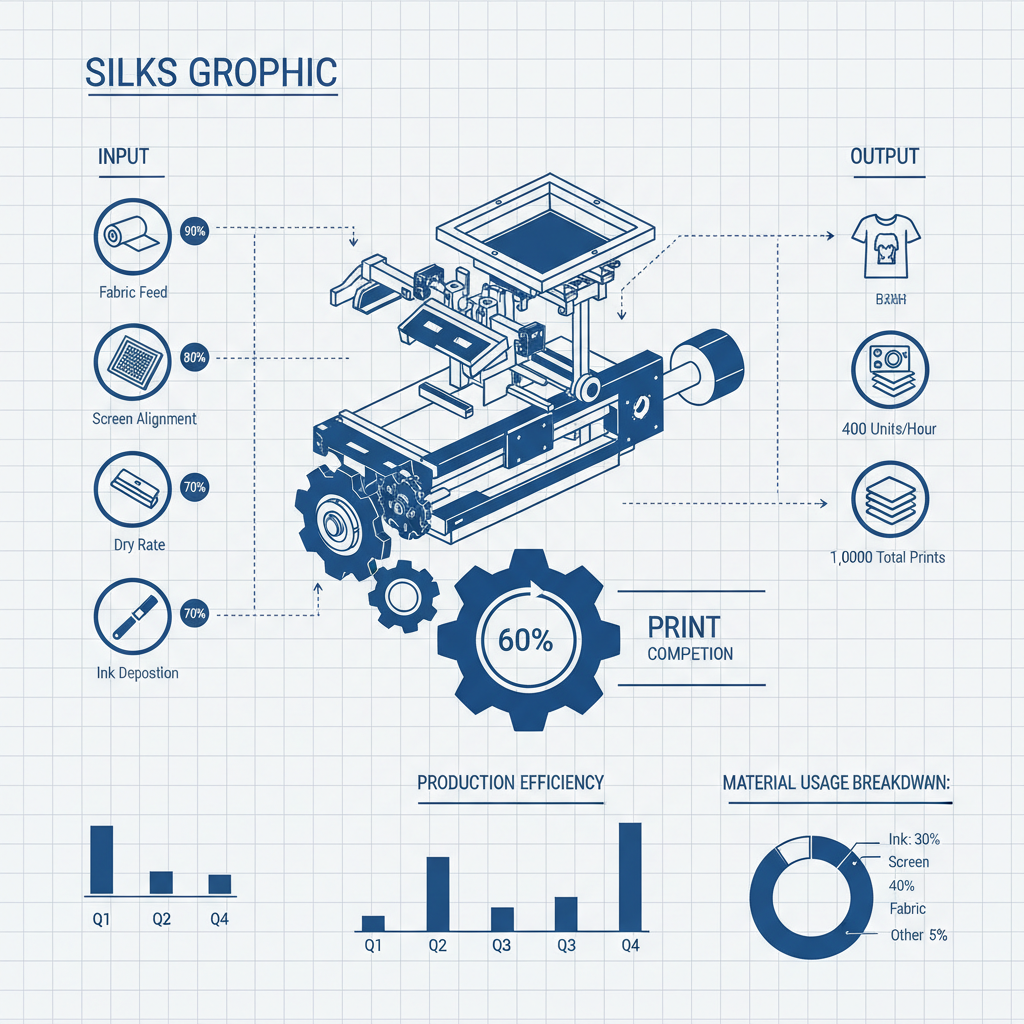
The price of a silkscreen printing machine is influenced by several factors, including its automation level, size, and features. Fully automatic machines generally command the highest price tags. The number of color stations and the maximum print area also contribute to the cost. Brand reputation and warranty terms play a role as well. It's important to compare quotes from multiple suppliers and consider the total cost of ownership, including maintenance and potential repairs.
Maintenance and Care Tips for Your Silkscreen Printing Machine
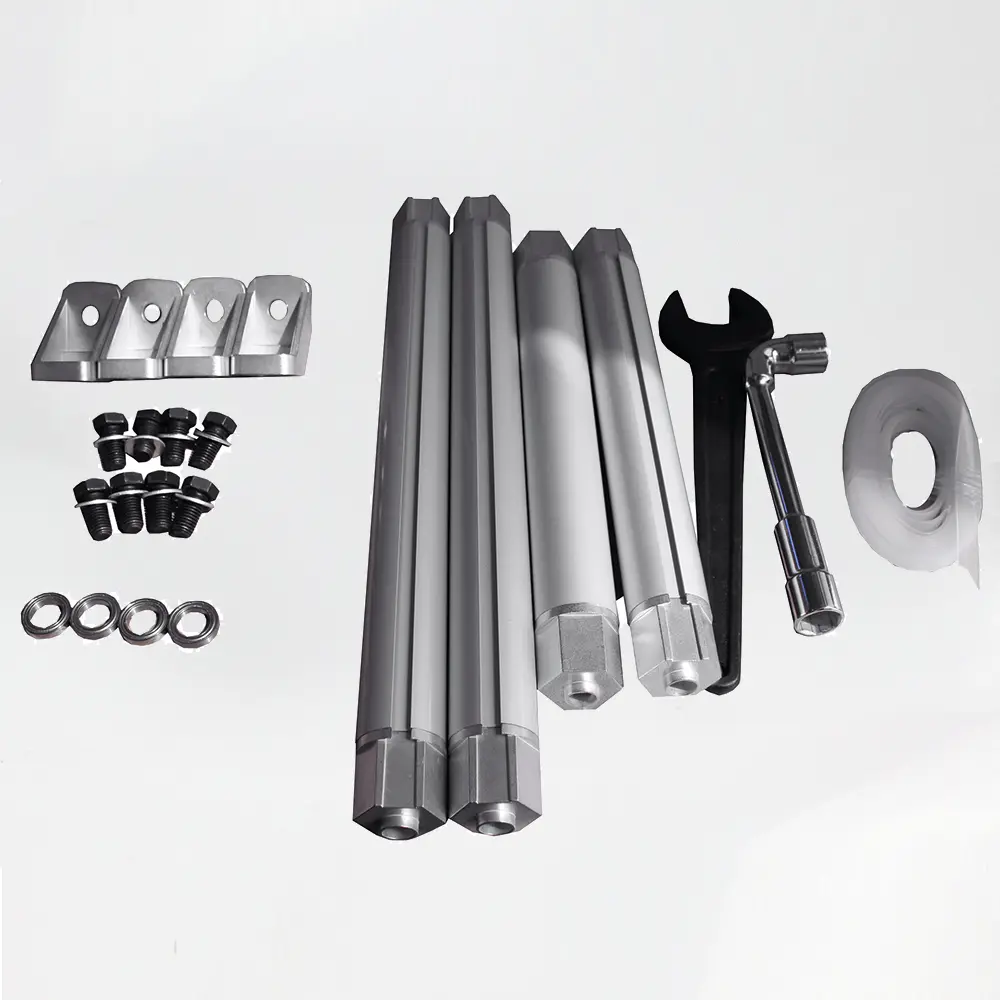
Regular maintenance is essential for ensuring the longevity and performance of your silkscreen printing machine. This includes cleaning screens and pallets after each use, lubricating moving parts, and checking for worn or damaged components. Proper storage of screens and inks is also crucial. Following the manufacturer's recommended maintenance schedule will help prevent costly repairs and downtime.
Conclusion: Finding the Perfect Silkscreen Printing Machine for Your Needs
Choosing the right silkscreen printing machine is a significant investment that can propel your business forward. By carefully considering your production requirements, budget, and the key specifications outlined in this guide, you can confidently select a machine that delivers optimal performance and reliability. Silkscreen Printing Supply offers a wide range of machines to suit diverse needs. Don’t hesitate to reach out to their experts for personalized guidance.
Frequently Asked Questions (FAQs)
What is the typical lead time for ordering a silkscreen printing machine?
Lead times vary depending on the machine type, supplier, and current demand. Generally, manual machines are often in stock and can ship within a few business days. Automatic machines, especially customized configurations, may have lead times ranging from 4 to 12 weeks. It's essential to inquire about the estimated lead time when requesting a quote from Silkscreen Printing Supply to ensure it aligns with your production schedule. Factors such as international shipping and customs clearance can also affect delivery times.
What kind of training is required to operate a silkscreen printing machine?
The level of training required depends on the machine’s complexity. Manual machines are relatively easy to learn, and basic online tutorials can often suffice. However, operating automatic machines effectively requires more comprehensive training. Silkscreen Printing Supply often provides training programs and resources to help customers master their machines. Proper training covers aspects such as screen preparation, ink mixing, registration, and troubleshooting.
What are the ongoing costs associated with operating a silkscreen printing machine?
Beyond the initial machine cost, ongoing expenses include screens, inks, squeegees, cleaning supplies, and potentially maintenance and repairs. The cost of these consumables varies depending on the volume of printing and the types of inks used. Electricity consumption is also a factor. Budgeting for these ongoing costs is vital for accurate profitability calculations. Consider purchasing consumables in bulk from Silkscreen Printing Supply to potentially save money.
What type of warranty do you offer on your silkscreen printing machines?
The warranty terms vary depending on the specific machine model and manufacturer. Silkscreen Printing Supply typically offers a one-year warranty on parts and labor for most machines, covering manufacturing defects. Some machines may have extended warranty options available. It's crucial to carefully review the warranty documentation to understand the coverage and any limitations.