



Aluminum Material Selection Guide for JM01SH Roller Frames
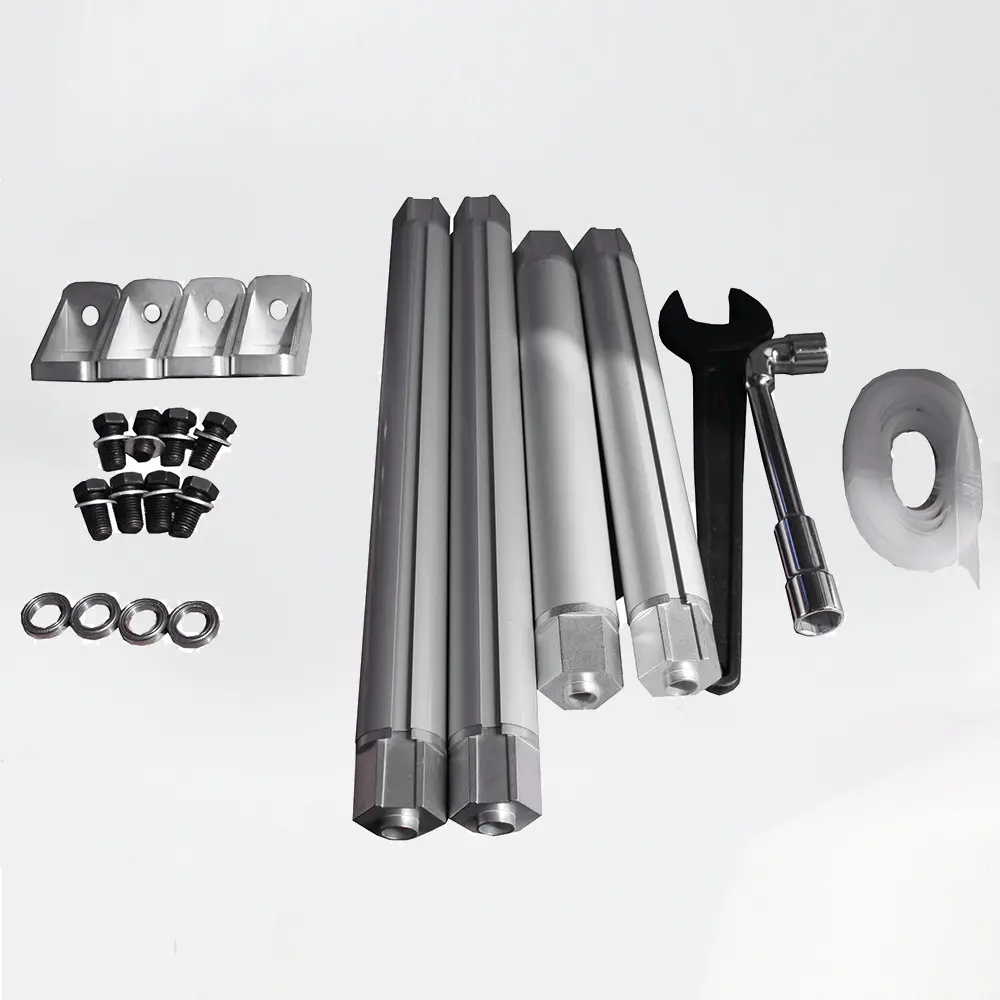
The JM01SH self-stretching roller frame combines an aluminum material structure with a versatile sizing matrix designed for technical buyers in textiles and electronics. Material selection balances structural rigidity with practical shop floor efficiency under high-tension operating conditions, meeting the demands of heavy textile screen printing and high-precision electronic manufacturing.
Technical parameters must be confirmed directly with the supplier prior to finalizing high-precision production layouts.
Aluminum Material Selection and Rigidity in JM01SH Frames
The JM01SH frame relies on an engineered aluminum framing profile designed to withstand high mechanical tension across textile screen printing lines and large format advertisement output. Industrial printing operations depend on a rigid substrate capable of resisting continuous deformation under high-pressure mesh stretching.
High-output shop floor workflows subject printing machinery to repetitive mechanical loads from squeegee travel and tensioning forces. The chosen structural aluminum profile delivers reliable resistance against lateral flexing during extended production runs.
Automated Printing and Specialized Formats
Automated printing equipment imposes rapid, repetitive mechanical loads on the framing assembly, demanding uninterrupted dimensional stability. The aluminum structure satisfies these operational requirements, preventing micro-shifts during high-speed printing cycles.
Specialized applications such as holiday card and invitation production similarly benefit from this structural baseline, where precise pattern alignment directly dictates finished product quality. Operators depend on this rigidity to maintain alignment tolerances across large production runs.
Precision Electronics and Circuit Board Applications
Manufacturing micro-electronic components involves exceptionally tight tolerances that leave no margin for frame warping or tension relaxation. The aluminum substrate delivers the dimensional consistency required for high-precision LCD, CD, and multi-layered circuit board production.
Technical parameters governing specific alloy tempers or structural treatments for these demanding electronic applications depend on batch specifications and operational environment variables.
Shop Floor Advantages of Aluminum over Wood and Steel
Weight-to-Strength Ratios and Structural Handling Dynamics
High-output shop floor environments demand printing infrastructure capable of withstanding heavy mechanical loads. The aluminum material selected for the JM01SH model offers favorable weight-to-strength characteristics that maintain dimensional stability under operational loads without introducing excessive dead weight to the assembly.
Daily handling efficiency improves significantly when transit and setup routines transition away from heavy alternative materials. Operators position and adjust lighter aluminum frames with greater speed, which reduces physical strain and accelerates turnaround times between successive print runs.

Corrosion Resistance and Environmental Durability
Traditional wood frames absorb moisture from shop floor atmospheres, leading to gradual warping and register loss during long production runs. In contrast, the aluminum composition selected for this model resists environmental humidity shifts without absorbing water, maintaining consistent tension across the mesh.
Heavy steel alternatives demand protective coatings to prevent rust formation in wet or chemically active printing plants. Aluminum inherently develops a protective oxide layer that resists environmental degradation, while specific corrosion resistance performance metrics remain subject to documentation available from the supplier upon formal request.
| material | Suitability for Humid Environments | Price Tier | Required Documentation |
|---|---|---|---|
| aluminum | High resistance to moisture-induced warping | Mid-to-high investment dependent on order volume | Available from the supplier upon formal request |
| Traditional Wood | Low resistance; prone to swelling and warping | Low initial cost with high replacement frequency | Varies by regional lumber supplier |
| Heavy Steel | Moderate vulnerability unless treated against rust | High material and freight investment | Factory mill test reports |
Comprehensive Size Matrix of the JM01SH Roller Frame
Procurement operations rely on physical dimensions matching available industrial space and application requirements. Reviewing the complete dimensional scope allows technical buyers to map exact spatial parameters before finalizing equipment allocation.

Imperial and Metric Format Specifications
The available dimensional inventory encompasses both imperial and metric measurements to serve diverse international production environments without leaving out any intermediate sizes. Imperial formats include 18×22 inches, 20×24 inches, 23×31 inches, and 25×36 inches. Metric formats include 20×30 cm, 30×40 cm, 50×60 cm, 60×70 cm, 50×70 cm, 100×100 cm, 120×120 cm, and 120×150 cm.
| size | material | application |
|---|---|---|
| 18×22 inches | aluminum | Compact screen printing setups and localized testing tasks |
| 20×24 inches | aluminum | Standard textile screen printing and general graphics |
| 23×31 inches | aluminum | Mid-scale commercial workflows and automated printing machine use |
| 25×36 inches | aluminum | Large advertisement production and extended format runs |
| 20×30 cm | aluminum | Small-format precision electronics and card printing |
| 30×40 cm | aluminum | Specialized multi-layered circuit board and component manufacturing |
| 50×60 cm | aluminum | Commercial textile printing and standard display production |
| 60×70 cm | aluminum | High-precision industrial printing and mid-scale electronics layout |
| 50×70 cm | aluminum | General commercial printing and promotional material output |
| 100×100 cm | aluminum | Large-scale industrial applications and high-capacity production footprints |
| 120×120 cm | aluminum | Heavy textile screen printing and large advertisement manufacturing |
| 120×150 cm | aluminum | Maximum capacity industrial printing operations and automated lines |
Evaluating Dimensional Fit Against Operational Variables
Selecting the correct frame size from the table depends heavily on batch volume, press clearance limits, and the specific application environment. Exact tolerance requirements and matching mechanical interfaces vary depending on the chosen material thickness and purpose of use. Technical buyers evaluate these operational variables alongside batch size requirements and destination port logistics before confirming final purchase orders.
Matching Frame Sizes to Production Footprints
Compact printing installations demand precise spatial management, matching smaller 18×22 inches and 20×30 cm formats to restricted workshop footprints where rapid screen interchange is prioritized. These localized processing nodes allow operators to maintain accurate tension characteristics without encumbering adjacent drying or exposure stations. Facility layout efficiency increases when spatial dimensions align directly with the physical constraints of benchtop printing units.
Mid-scale commercial operations utilize versatile intermediate dimensions like 23×31 inches and 50×60 cm to balance multi-job throughput against operator handling comfort. Standardized screen geometries prevent excessive manual fatigue during prolonged production shifts while accommodating standard graphic substrates. Throughput stability relies heavily on maintaining consistent mesh tension across these balanced surface areas throughout extended print runs.
High-capacity industrial production footprints require large-scale formats including 100×100 cm and 120×150 cm to support uninterrupted automated printing cycles. These expansive configurations sustain rigorous mechanical demands imposed by continuous squeegee actuation and high-tension pneumatic clamping systems. Facility managers must determine the optimal size selection based on specific production volume targets, available shop floor square footage, and intended delivery logistics rather than relying on uniform dimensional standards.
Technical Parameter Verification and Compliance Protocols
Procuring the JM01SH model requires verifying technical specifications directly against documentation provided by the supplier. Relying on assumptions regarding unlisted alloy compositions or structural tempers introduces fabrication risks during high-tension operational runs.
Technical buyers must avoid assuming specific metallurgical designations, such as unlisted temper codes or proprietary grade numbers, when designing production lines for multi-layered circuit boards or large advertisements. Compliance validation relies on authorized test documentation rather than generalized industry assumptions.

Essential Documentation Requests
Procurement teams should request specific validation paperwork before approving bulk purchase orders for the JM01SH model. Required documentation includes raw material traceability certificates, dimensional tolerance sheets, and verified surface treatment reports.
Bridging Factory Data with Custom Specifications
Translating structural parameters into custom factory orders depends directly on order volumes and destination port logistics. Clear communication regarding size matrices prevents compliance mismatches across automated printing machine lines.
Evaluating JM01SH Frames for Precision Electronics Production
Micro-circuit fabrication and multi-layered printed circuit board manufacturing demand exceptional substrate stability to prevent alignment deviations during exposure sequences. Dimensional shifts at the micron scale directly compromise conductive trace registration, rendering oversized or thermally unstable frames unviable for electronic workflows.
Stable frame rigidity sustains high mechanical tension during precise mesh stretching required for LCD and CD production lines. This structural firmness restrains dynamic deflection when squeegees traverse fine emulsion patterns, ensuring uniform ink deposition across complex substrates.
Technical directors evaluating material specifications against operating environment demands must balance structural rigidity requirements directly against order volume thresholds and destination port logistics. Selecting appropriate frame dimensions for electronic applications depends on whether the intended production run involves batch-specific cleanroom protocols or high-volume automated assembly floors.
Frequently Asked Questions
The sizing range covers both imperial and metric formats to match diverse operational footprints. Imperial choices feature 18″×22″, 20″×24″, 23″×31″, and 25″×36″ options. Metric options span 20×30 cm, 30×40 cm, 50×60 cm, 60×70 cm, 50×70 cm, 100×100 cm, 120×120 cm, and 120×150 cm.
Aluminum offers a balanced weight-to-strength ratio that reduces operator fatigue during manual handling on the shop floor. It avoids the warping tendencies of traditional wood frames under humidity shifts while eliminating the excessive weight associated with heavy steel frames. Corrosion resistance varies according to the chemical exposure levels of the operating environment.
Technical buyers must obtain actual material data sheets from the manufacturer instead of assuming unstated alloy grades or proprietary tempers. Operational safety and tension performance depend strictly on the exact batch specifications provided in the documentation rather than general market assumptions.
The structural rigidity of the aluminum profile minimizes dimensional distortion during high-pressure mesh stretching. This stability satisfies micro-circuit and multi-layered electronic printing requirements where minute shifts disrupt pattern alignment. Final suitability relies on the specific tension thresholds required by the printing equipment.
Corrosion resistance depends directly on workshop humidity levels, exposure to cleaning solvents, and the specific surface finishing applied by the manufacturer. Buyers should review actual factory test records rather than relying on generalized lifespan claims.
Conclusion
Execution Roadmap for Procurement Decisions
Order validation schedules depend upon the finalization of batch scales and destination port requirements.
Technical directors coordinate these parameters prior to contract execution, matching dimensions to workshop machinery.
Action Items for Order Execution
- Review dimensional choices ranging from 18x22 inches up to 120x150 cm against facility floor layouts.
- Audit documentation timelines based on scheduled production dispatch dates.
- Tie final procurement milestones directly to destination port logistics and batch quantity variables.


