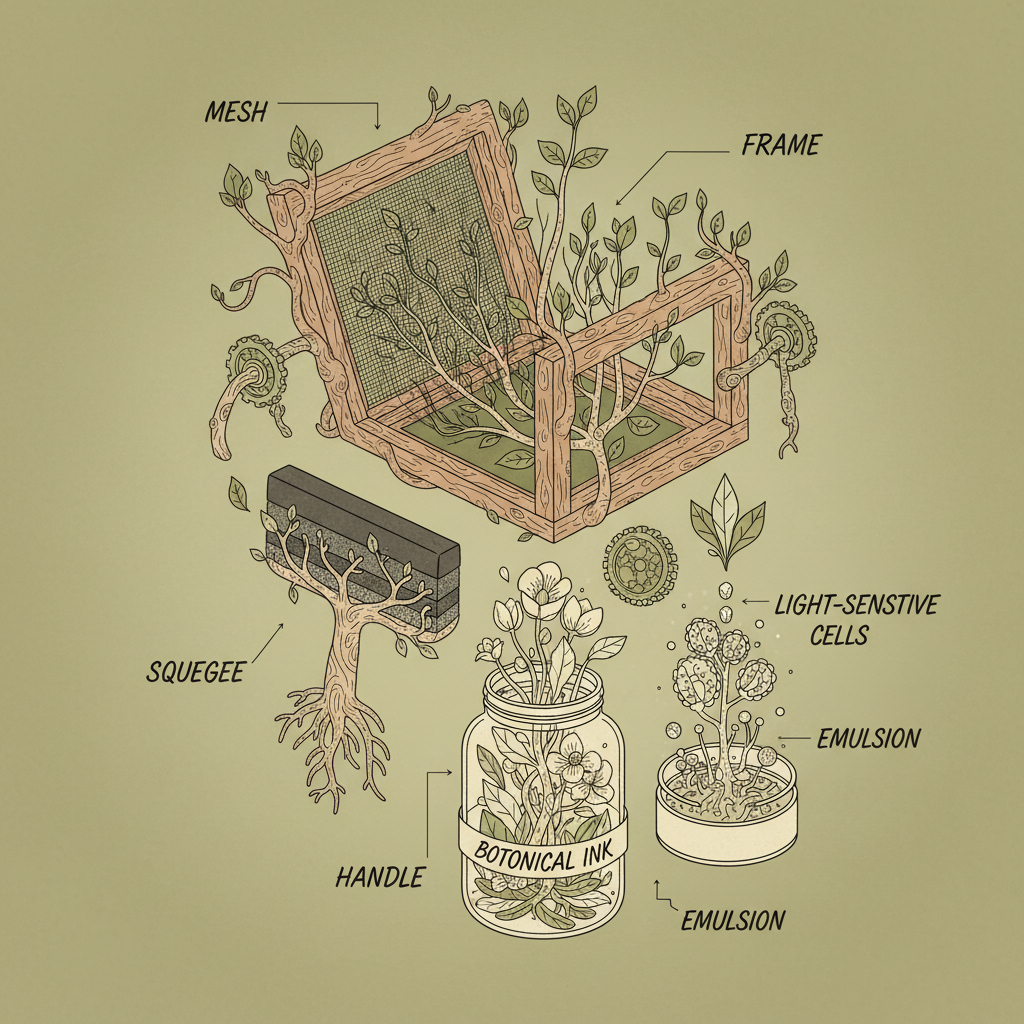
High Precision Vacuum Exposure Unit from uv printer suppliers
Achieving high-precision imagery in screen printing depends heavily on the quality of the initial exposure process. The JM-EM6090 Vacuum Exposure Unit is engineered to eliminate the common pitfalls of manual imaging, such as light leakage and uneven contact, by utilizing a powerful vacuum system to bond the positive film tightly against the emulsion-coated mesh. For professional print shops and industrial manufacturers, the ability to consistently reproduce fine lines and intricate details is a critical competitive advantage.
When sourcing from experienced uv printer suppliers, operators look for equipment that balances automation with durability. This unit integrates high-quality metal halide lamps and a toughened glass surface to ensure a stable light distribution across the 24" x 36" working area. By automating the exposure timing and vacuum cycles, the JM-EM6090 reduces human error and accelerates the screen-making workflow, making it an essential asset for high-volume production environments.

The Mechanics of Vacuum Exposure and Photochemical Reaction
The core principle of the JM-EM6090 lies in the precise control of UV light and atmospheric pressure. In the screen printing process, a mesh is coated with a photosensitive emulsion. To create the image, a positive transparency is placed on the screen. The vacuum chamber then removes all air between the film and the mesh, ensuring a perfectly flat, gapless contact. This is vital because any microscopic gap can allow light to diffract, resulting in "fuzzy" edges or loss of detail in the final print.
Once the vacuum state is achieved, the integrated UV light sources trigger a photochemical reaction. The areas of the emulsion exposed to UV light are cured and hardened, becoming insoluble. Conversely, the areas blocked by the black ink of the positive film remain uncured. During the subsequent washout process, these unexposed areas are dissolved, leaving behind the open mesh that allows ink to pass through to the substrate. This binary transition from liquid to solid emulsion is what defines the resolution of the printed product.
- Vacuum Stability: Rapid evacuation of air ensures the film is adhered instantly, saving critical production time.
- Light Uniformity: A strategic array of UV lamps prevents "hot spots," ensuring the exposure is consistent from the center to the edges of the frame.
- Material Integrity: The use of resist-aging materials for the reflective cover maintains light efficiency over thousands of cycles.

Key Technical Advantages for Industrial Screen Production
Unlike basic exposure boxes, the JM-EM6090 is built for rigorous industrial use. One of its standout features is the oilless vacuum pump, which eliminates the need for frequent oil injections and reduces maintenance downtime. The construction is entirely metallic, finished with advanced electrostatic painting to prevent rust and facilitate easy cleaning in dusty workshop environments. The 6mm toughened glass is not only scratch-resistant but designed to shatter into blunt pieces if broken, prioritizing operator safety.
Precision is further enhanced by the independent settings for vacuum and exposure time. The machine features an automatic memory function; once a specific timing is calibrated for a particular emulsion type, the unit recalls these settings upon power-up. This consistency is essential when producing multiple screens for a single job, ensuring that every frame in a series is exposed identically. Furthermore, the automatic shut-off mechanism for the lamps prevents overheating and extends the lifespan of the UV tubes.
The inclusion of a high-toughness rubber layer ensures that even frames with slight irregularities are held firmly against the glass. This mechanical reliability, combined with the precise 30W10pcs lamp configuration, allows the JM-EM6090 to handle everything from coarse industrial markings to high-resolution artistic prints with ease.
Operational Considerations and Application Scenarios
Integrating a vacuum exposure unit into a production line requires an understanding of the environmental variables. For optimal results, the equipment should be kept in a ventilated, dry area away from corrosive chemicals. Operators must ensure that screen frames are completely dry before applying the vacuum; inhaling water into the pump can lead to internal corrosion and premature failure. Additionally, allowing a 5-minute cooling period between lamp cycles is recommended to maintain the longevity of the UV components.
This equipment is particularly effective in the following scenarios:
- Textile Printing: Creating detailed screens for apparel where sharp line work is required for logos and typography.
- Industrial Component Marking: Producing durable templates for printing on electronics or automotive parts.
- Fine Art Reproduction: Utilizing the high vacuum degree to transfer complex halftone dots for high-fidelity imagery.
- Prototype Development: Quickly iterating screen designs with the help of the digital timing display and memory function.
By utilizing a professional uv printer suppliers logic of precision and stability, the JM-EM6090 transforms the "darkroom" phase of printing from a variable art into a predictable science.
Technical Specifications and Performance Matrix
| Feature Parameter | Technical Specification | Performance Impact | Operational Benefit |
|---|---|---|---|
| Max Working Area | 600 900mm (24" 36") | High Capacity | Accommodates large format screens |
| Light Source | UV Light (30W 10pcs) | Even Distribution | Eliminates under-exposed edges |
| Vacuum System | Oilless High-Quality Pump | Rapid Evacuation | Low maintenance and fast setup |
| Control Interface | Digital Display & Memory | High Repeatability | Consistent results across batches |
| Surface Material | 6mm Toughened Glass | High Press Resistance | Durable and safe for operators |
Selecting the Right Exposure Equipment for Your Workflow
Choosing between a simple light box and a vacuum exposure unit like the JM-EM6090 depends on the required precision. For basic, low-resolution prints, a light box may suffice. However, for any application requiring fine lines, small text, or halftone gradients, a vacuum system is non-negotiable. The primary evaluation criteria for buyers should include the uniformity of the light source, the speed of the vacuum pump, and the durability of the construction materials.
When evaluating potential vendors, it is important to look for manufacturers who provide customization options. Since different industries use varying frame sizes, the ability to scale the exposure area is a significant advantage. Furthermore, the reliability of the electrical components—such as the 110V/220V compatibility and the use of high-grade metal halide lamps—determines the total cost of ownership over the equipment's lifespan.
Future Trends in Screen Imaging Technology
The industry is moving toward greater integration of digital controls and energy-efficient lighting. While metal halide lamps remain a gold standard for power and reliability, the push toward LED-based UV curing is increasing due to lower heat emission and instant-on capabilities. However, the fundamental need for a vacuum-sealed contact remains constant, as physical adhesion is the only way to prevent light diffraction at the film-emulsion interface.
Modern print shops are also focusing on "smart" workshops where exposure times are synchronized with the emulsion's specific sensitivity data. Equipment like the JM-EM6090 provides the necessary foundation for this by offering digital precision and memory functions. As screen printing continues to coexist with DTF and UV-inkjet technologies, the role of the high-precision exposure unit remains central to those who require the tactile quality and durability of traditional screen ink.
Frequently Asked Questions About Vacuum Exposure
What is the main advantage of a vacuum exposure unit over a standard light box?
A vacuum unit removes all air between the positive film and the screen, ensuring a tight, gapless fit. This prevents light from leaking under the edges of the design, which results in significantly sharper lines and higher resolution images compared to a standard light box.
How does the automatic memory function help in production?
The memory function stores the specific vacuum and exposure durations. This means operators don't have to manually re-enter settings for every screen, ensuring that every frame in a large project is exposed for the exact same amount of time, maintaining consistency.
Can I customize the size of the JM-EM6090 for larger frames?
Yes, the manufacturer can supply different sizes of the screen printing exposure machine according to the specific requirements of the customer to accommodate larger or smaller production needs.
What maintenance is required for the vacuum pump?
The JM-EM6090 uses an oilless vacuum pump, which significantly reduces maintenance. The primary requirement is to ensure that the screen frames are dry before use, as water entering the pump can cause rust and damage.
Why is there a required cooling period after turning off the lights?
UV lamps generate significant heat. Turning them off and waiting approximately 5 minutes before restarting prevents thermal shock and electrical stress on the lamps, thereby extending their operational lifespan.
Is the glass surface prone to breaking under pressure?
The unit uses 6mm high-strength toughened glass. It is designed to withstand high press resistance and is scratch-resistant. In the rare event of a break, it shatters into small, non-sharp pieces to avoid injuring the operator.
Technical References and Industry Resources
- Principles of Screen Printing - Wikipedia
- FESPA Global Federation of Screen Printing
- ISO Standards for Industrial Equipment Safety
- Research on UV Curing and Photochemical Reactions
Investing in a high-precision vacuum exposure unit is the first step toward achieving professional-grade print results. By combining structural durability with automated precision, the JM-EM6090 ensures your screens are perfectly prepared for any industrial challenge.
Related Articles