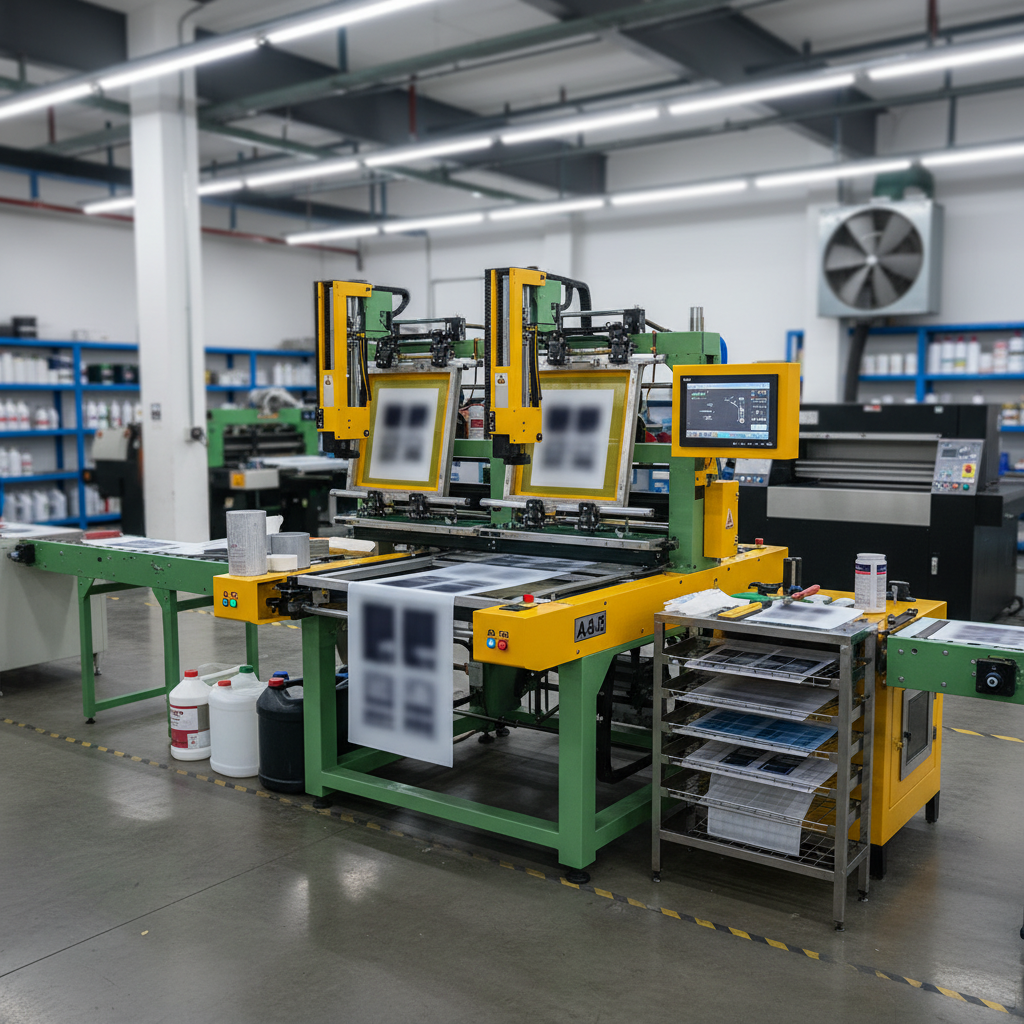
Double Layer Aluminum Squeegee Handle from uv printer supplier
Achieving consistent ink deposit and precise registration in high-volume screen printing requires more than just a steady hand; it demands high-performance hardware that minimizes deflection. The Double layer aluminum screen printing squeegee handle is engineered specifically for these rigorous industrial demands. By utilizing a reinforced dual-layer aluminum construction, this tool provides the necessary rigidity to maintain a consistent angle and pressure across the mesh, which is critical for avoiding print blurring or uneven saturation.
For professionals sourcing from a reliable uv printer supplier, the integration of high-grade aluminum ensures that the equipment resists the corrosive effects of various solvents and pastes. This handle is not merely a support tool but a precision instrument that allows operators to switch rubber blades quickly and efficiently, reducing downtime in fast-paced production environments. Whether you are working with textile inks or industrial coatings, the stability provided by this double-layer design directly impacts the final print quality and overall yield.

Engineering Rigidity for Professional Printing Results
The primary challenge in manual and semi-automatic screen printing is the "bowing" effect that occurs when pressure is applied to a single-layer handle. This deflection leads to uneven ink distribution, where the center of the print may be lighter than the edges. The Double layer aluminum handle solves this through its structural architecture. By doubling the aluminum wall or utilizing a reinforced internal brace, the handle maintains a straight axis even under heavy downward force.
Constructed from high-strength aluminum, the handle is designed to be lightweight yet incredibly stiff. This balance is essential for operator ergonomics, reducing fatigue during long shifts while ensuring that every stroke is uniform. The material selection also ensures excellent resistance to chemical swelling, making it compatible with a wide array of aggressive solvents typically used in the cleaning and printing processes of the uv printer supplier industry ecosystem.
- Structural Integrity: Double-layer design eliminates bending and twisting.
- Chemical Compatibility: High-grade aluminum resists oxidation and solvent damage.
- Precision Fit: Designed for a secure grip on the squeegee rubber to prevent slippage.

Optimizing Production with Rapid Blade Replacement
In a commercial printing facility, the wear and tear on the rubber squeegee blade is constant. A dull blade results in poor ink shear and inconsistent line weights. The Double layer aluminum handle features a pre-drilled system where screws are tightened every three inches. This strategic spacing ensures that the rubber is held firmly against the aluminum surface, preventing "flutter" during the stroke.
The efficiency of this system lies in its simplicity. To replace the rubber, the operator simply loosens the screws, slides out the worn blade, and inserts a fresh one. This rapid-change capability is vital for maintaining quality control without sacrificing throughput. Because the handle is standardized, it accommodates various rubber hardnesses (durometers) depending on the specific requirements of the ink and the substrate being printed.
Furthermore, the 96mm x 1mm handle size provides a streamlined profile that fits comfortably in the hand, allowing for a more natural wrist movement. This ergonomic consideration, combined with the industrial-grade material, makes it a staple for technicians who require a tool that is as durable as it is precise.
Industrial Applications and Material Compatibility
The versatility of the Double layer aluminum handle makes it suitable for a vast range of printing sectors. From high-end apparel printing using plastisol inks to technical electronics printing using conductive pastes, the stability of the handle ensures that the ink is pushed through the mesh with mathematical consistency.
One of the most critical aspects of this tool is its resistance to swelling. Many cheaper handles made of inferior alloys or plastics react poorly to thinners and solvents, leading to warping over time. This specific aluminum alloy is chosen for its stability, ensuring that the handle remains true to its dimensions regardless of the chemical environment. This is particularly important when working with UV-curable inks or heavy-duty industrial solvents where material degradation is a common failure point.
Typical use cases include:
- Textile Printing: High-pressure strokes for thick ink deposits on fabrics.
- Glass and Ceramic: Precision application of specialty glazes.
- Industrial Labeling: Rapid, repeatable prints for product packaging.
- PCB Printing: Extremely fine control for solder paste application.
Technical Specifications and Suitability Matrix
| Feature Attribute | Specification / Value | Performance Impact | Application Suitability |
|---|---|---|---|
| Material | Reinforced Aluminum | High Corrosion Resistance | Industrial Solvent Environments |
| Handle Structure | Double Layer | Zero-Deflection Rigidity | Wide-Format Screen Printing |
| Handle Dimension | 96mm 1mm | Optimized Grip Ergonomics | Manual & Semi-Auto Systems |
| Fixing Method | 3-inch Interval Screws | Secure Rubber Retention | High-Pressure Ink Shearing |
| Rubber Change | Quick-Release Bolts | Reduced Production Downtime | Fast-Paced Commercial Shops |
Evaluating Hardware for Professional Print Shops
When selecting printing consumables, procurement managers often overlook the handle, focusing instead on the rubber blade. However, the handle is the backbone of the printing process. A failure in rigidity leads to inconsistent prints, which increases the scrap rate and wastes expensive ink. Evaluating the "flex" of a handle is the first step in quality assurance; the double-layer aluminum design is specifically created to minimize this variable.
From a supplier perspective, Shenze Jiamei Group leverages decades of experience in screen printing equipment to ensure that every component, from the aluminum frame to the squeegee handle, meets industrial standards. By maintaining an independent workshop and strict testing systems, the manufacturing process ensures that the aluminum is properly tempered and the drilling is precise. This consistency is what allows commercial printers to scale their operations without worrying about tool failure.
Future-Proofing Your Printing Consumables Strategy
As the printing industry moves toward higher precision and faster turnaround times, the reliance on stable, durable hardware becomes even more critical. The shift toward UV-curable and eco-solvent inks requires tools that can withstand a wider range of chemical interactions. The transition to high-grade aluminum handles is a necessary step for shops aiming to reduce their environmental footprint by minimizing waste caused by print errors.
For businesses looking to optimize their supply chain, investing in customizable aluminum handles allows for a more tailored approach to production. Whether adjusting the length for larger screens or modifying the grip for specific operator needs, customization ensures that the tool fits the workflow perfectly. By partnering with a manufacturer that offers full-spectrum support—from screen mesh to drying equipment—printers can ensure total system compatibility and peak performance.
Frequently Asked Questions About Squeegee Handles
Why is a double-layer handle preferred over a single-layer one?
A double-layer handle provides significantly higher rigidity, which prevents the handle from bending or bowing under pressure. This ensures a consistent ink layer across the entire print area, eliminating the unevenness often seen with single-layer handles.
Can this handle be used with all types of screen printing inks?
Yes, the high-grade aluminum construction is designed to be chemically inert and resistant to swelling, making it suitable for water-based, plastisol, UV-curable, and solvent-based inks.
How often should the rubber be replaced in the handle?
Replacement frequency depends on the ink abrasiveness and the substrate. However, once the blade edge becomes rounded or "nicked," it should be replaced. The pre-drilled screw system makes this a quick process.
Is the handle size compatible with standard rubber blades?
The 96mm x 1mm specification is a common industrial standard, designed to fit a wide variety of professional squeegee rubbers available in the market.
Does the aluminum handle corrode over time in humid environments?
The aluminum used is treated for high resistance to corrosion and oxidation, ensuring a long service life even in humid print shops or when exposed to cleaning chemicals.
Can I customize the length or the hole spacing of the handle?
Yes, professional manufacturers like Shenze Jiamei can customize product specifications, including handle length and drilling patterns, to meet specific customer requirements.
Technical References and Industry Resources
- Guide to Screen Printing Techniques
- FESPA - Federation of European Screen Printers Associations
- ISO Standards for Industrial Aluminum Components
- International Printing Industry Technical Standards
Ensuring the stability of your print stroke is the simplest way to improve your quality yield. By investing in reinforced aluminum hardware, you eliminate the variables of tool deflection and focus entirely on the art and science of the print.
Related Articles