• Home
  • Global Service
  • Advanced Textile Imaging Solutions with UV DTF Printing Machine in Ecuador

Advanced Textile Imaging Solutions with UV DTF Printing Machine in Ecuador

Empowering Ecuadorian garment manufacturers with high-precision digital transfer and traditional screen printing technology for superior durability and vibrancy.

Advanced Textile Imaging Solutions with UV DTF Printing Machine in Ecuador

Integrating industrial-grade DTF Printing Machine technology with professional screen printing consumables to optimize production workflows in the Andean region.

Current State of Printing Manufacturing in Ecuador

Analyzing the intersection of textile traditions and digital disruption in South America.

The printing industry in Ecuador is currently navigating a transition from manual labor to automated precision. In cities like Quito and Guayaquil, the textile sector faces unique challenges due to varying humidity levels, which directly affect the curing process of DTF Powder and ink adhesion on diverse fabrics.

Local workshops are increasingly moving away from costly traditional setups toward more flexible systems. While the demand for a high-quality Screen Printing Frame remains strong for bulk industrial orders, there is a visible surge in small-to-medium enterprises adopting digital transfers to meet the fast-fashion demands of the local market.

Furthermore, the reliability of consumables has become a critical pain point. The industry is shifting toward standardized materials, such as premium Squeegee Rubber, to ensure consistent ink deposit and reduce waste in high-volume production environments.
Technological Evolution and Growth Trajectory

From artisanal screen printing to the era of intelligent UV-LED curing.

Market Development History

During the 1990s and early 2000s, the Ecuadorian market relied almost exclusively on traditional plastisol printing, where the quality depended heavily on the manual tension of the screen and the skill of the operator.

Between 2010 and 2018, the introduction of early digital heat transfers began to supplement traditional lines, allowing for multi-color designs without the need for multiple screens, though durability remained a concern.

From 2019 to the present, the "Digital Revolution" has hit the region, characterized by the widespread adoption of the DTF Printing Machine, which combined the softness of screen printing with the versatility of inkjet technology.

Future Development Trends

Hybrid Production Workflows

Integration of traditional screen printing for base whites and digital overlays to achieve hyper-realistic textures on technical sportswear.

Eco-Friendly Ink Systems

A shift toward water-based and biodegradable powders to comply with emerging environmental regulations in South America.

Automation of Pre-press

Increased use of automated tensioning for frames to minimize registration errors in large-scale industrial prints.

Industry Trends and Future Outlook

Predicting the trajectory of specialized printing equipment in the Ecuadorian market.

Demand for On-Demand Customization
Shift toward small-batch, high-margin personalized apparel using DTF technology to reduce inventory risk.
UV-Curing Integration
Rapid adoption of UV-LED systems for non-textile applications like promotional gifts and hard substrates.
Material Standardization
Increased demand for industrial-grade consumables to ensure consistent output across different climatic zones.
Smart Manufacturing (Industry 4.0)
Implementation of cloud-based RIP software to manage print queues across multiple regional production sites.

Industry Outlook

Based on Google search trend data for the region, there is a significant uptick in queries related to "digital heat transfer" and "UV printing services" in Ecuador. This indicates a shift in consumer preference toward faster turnaround times and more intricate designs that traditional screen printing cannot efficiently produce.

We anticipate that within the next 3-5 years, the market will see a convergence where traditional screen printing handles the high-volume bulk, while digital systems handle the high-value customization, creating a synergistic manufacturing ecosystem.

Local Application Scenarios in Ecuador

Practical implementations of printing technology across diverse Ecuadorian sectors.

01. Guayaquil Textile Hubs: Bulk Apparel

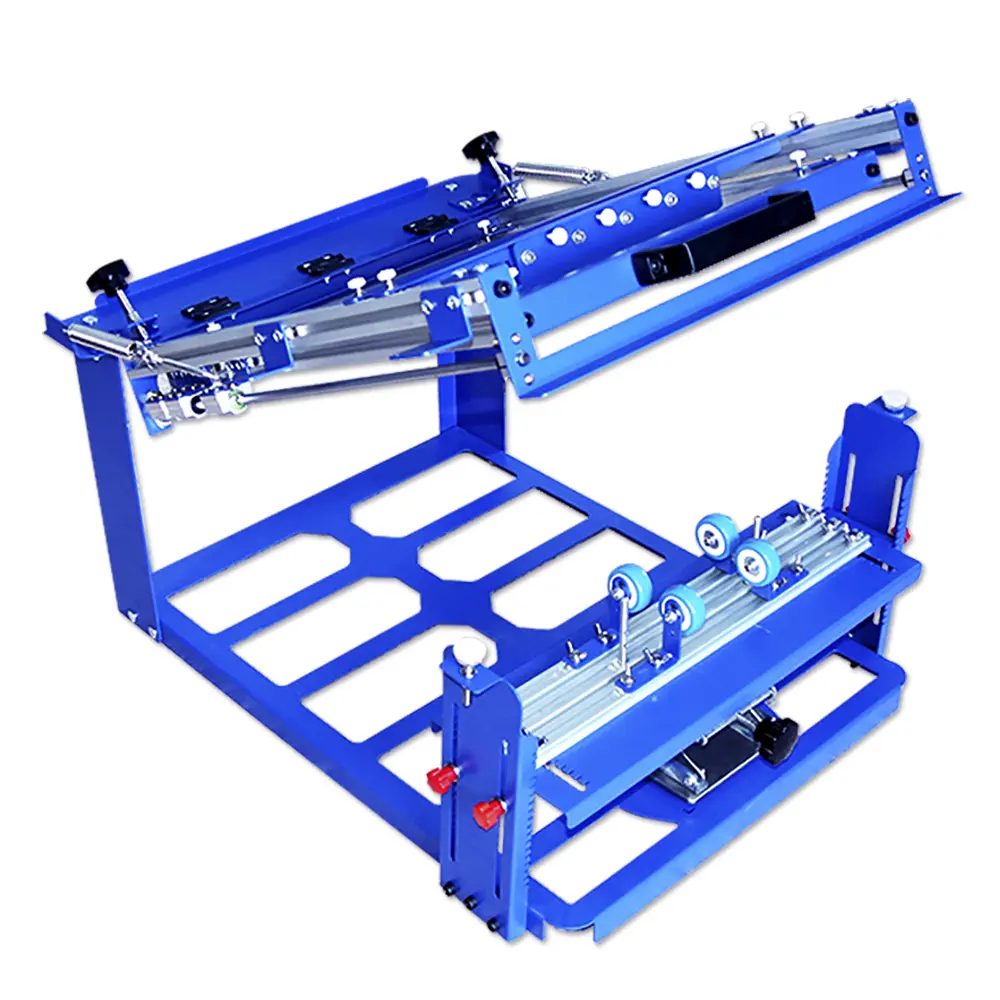
Utilizing high-tension Screen Printing Frame setups for mass-producing corporate uniforms for the shipping and logistics sector in the port city.

02. Quito Fashion Boutiques: Limited Editions

Deploying the DTF Printing Machine for high-end, low-volume designer garments that require complex gradients and vivid colors.

03. Andean Tourism Souvenirs: Hard Goods

Applying UV DTF Printing Machine technology to create durable, waterproof stickers and logos for artisanal crafts and travel accessories.

04. Sports Gear Manufacturers: High-Performance Wear

Combining precision Squeegee Rubber for base layers with digital transfers to create breathable, stretchable team jerseys.

05. Industrial Labeling: Technical Markings

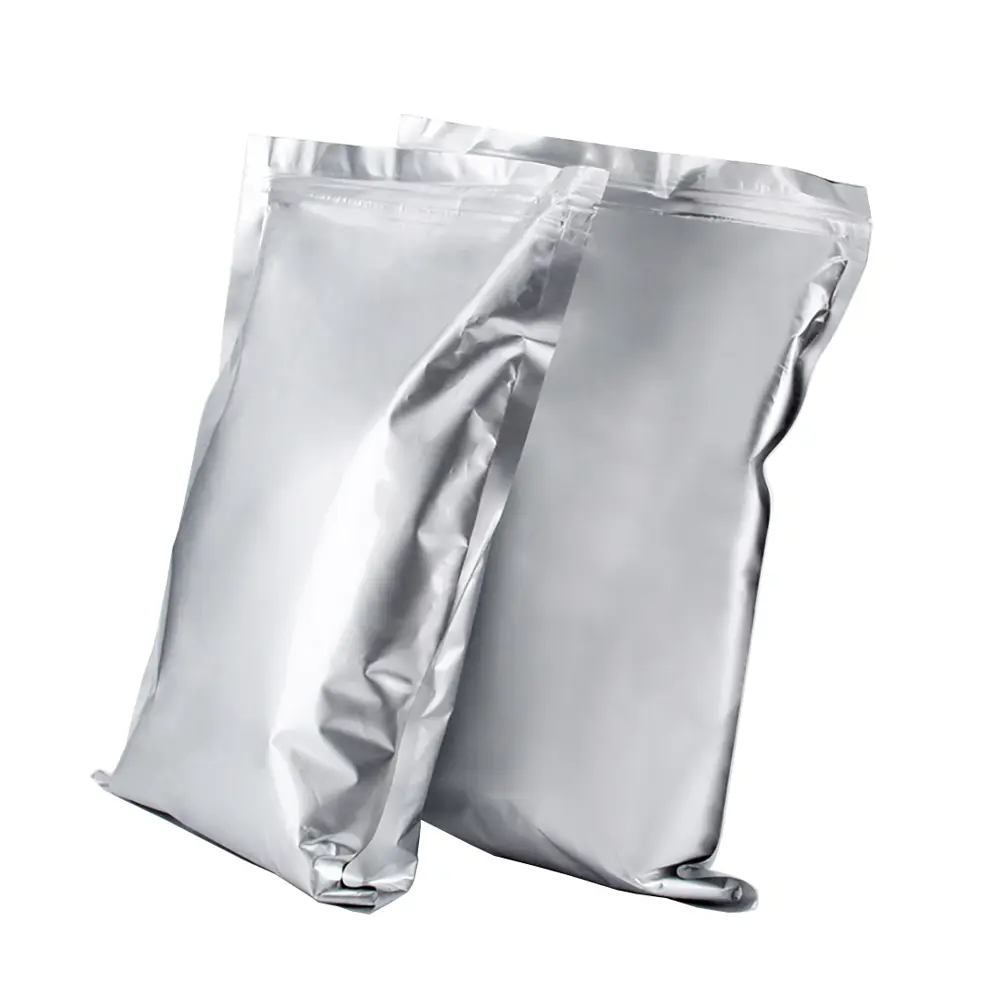
Using specialized DTF Powder for heat-press labels on industrial safety gear, ensuring wash-resistance and high visibility in harsh environments.

Brand Story

Global Development Journey of Shenzhen Jamei Printing Supplies Co., Ltd.

Foundational Precision

Started with a commitment to solve the instability of screen printing materials, focusing on high-durability rubber and aluminum frame engineering.

Digital Integration

Expanded into digital transfer technologies, bridging the gap between traditional craftsmanship and modern inkjet efficiency.

Global Quality Standards

Implemented ISO-certified manufacturing processes to ensure that every consumable meets the rigorous demands of international markets.

South American Expansion

Established strategic logistics and support networks to provide the Ecuadorian market with rapid access to professional printing equipment.

Sustainable Vision

Now leading the way in eco-friendly ink research and energy-efficient UV curing to protect the global environment.

Common Questions for Printing Businesses in Ecuador

Technical guidance and procurement advice for local manufacturers.

How does humidity in Guayaquil affect DTF Powder curing?

High humidity can cause the powder to clump. We recommend using a climate-controlled storage area and adjusting the oven temperature by 5-10 degrees to ensure complete melting and adhesion.

What is the best Squeegee Rubber hardness for cotton fabrics?

For standard cotton apparel in the Ecuadorian market, a medium hardness (65-75 Shore A) is typically ideal for balancing ink deposit and detail sharpness.

Can a UV DTF Printing Machine be used on ceramic tiles?

Yes, UV DTF is perfect for hard substrates including ceramics, glass, and acrylics, providing a strong adhesive layer that doesn't require heat pressing.

How to maintain the tension of a Screen Printing Frame over time?

Use professional aluminum frames and regularly check tension with a Newton meter. Avoid storing frames in direct sunlight to prevent mesh degradation.

What are the maintenance requirements for a DTF Printing Machine?

Daily print head cleaning and ink circulation are critical to prevent clogging, especially in the dusty environments of industrial zones.

Is DTF printing more cost-effective than traditional screen printing for small orders?

Absolutely. For orders under 50 pieces, DTF eliminates the cost and time of creating multiple screens, significantly reducing the per-unit setup cost.

Ready to Upgrade Your Production?

Contact our technical specialists today for customized equipment solutions tailored to the manufacturing landscape of Ecuador.

Contact Us Now

If you are interested in our products, you can choose to leave your information here, and we will be in touch with you shortly.