When evaluating the initial investment for high-precision printing, the uv printer price is rarely a fixed number, as it fluctuates based on curing technology, ink compatibility, and substrate versatility. For many businesses, the challenge lies in balancing the desire for industrial-grade output with the constraints of a realistic capital expenditure budget.
The shift toward UV-curable inks has redefined the economics of specialized equipment manufacturing. Unlike traditional solvent-based systems, UV printing allows for instantaneous drying and the ability to print on a vast array of non-porous materials, which in turn increases the potential revenue streams for a print shop. However, this technical advantage comes with a specific set of hardware requirements that directly influence the final cost.
To make an informed purchasing decision, one must look beyond the sticker price and analyze the total cost of ownership, including consumables and maintenance. This guide explores the factors that drive pricing in the UV printing sector and how to select a system that aligns with specific production goals.

The Economic Logic of UV Printing Systems

The pricing of UV printing equipment is fundamentally tied to the curing mechanism. Unlike traditional screen printing where ink dries through evaporation or heat ovens, UV systems utilize ultraviolet light to trigger a photochemical reaction. This requires specialized LED or mercury vapor lamps, which represent a significant portion of the machine's cost.
Moreover, the move toward "on-demand" customization has pushed manufacturers to develop more flexible systems. The ability to switch between flatbeds and curved substrates—similar to the versatility found in high-end curved screen printing machines—adds complexity to the chassis and motor systems, which subsequently elevates the market price.
Technical Determinants of Hardware Cost
Printhead technology is the primary driver of the uv printer price. Industrial printheads, such as those used in A1 or A3 formats, are engineered for high-volume stability and precise droplet control. The more printheads a machine employs, the faster the throughput, but the higher the initial capital investment.
Beyond the heads, the motion control system—comprising linear guides, servo motors, and high-resolution encoders—determines the registration accuracy. In specialized equipment manufacturing, the tolerance levels for "dot placement" are incredibly tight; any vibration in the frame can lead to blurring, necessitating heavier, more expensive cast-iron or reinforced aluminum frames.
Finally, the ink delivery system and the curing station must be perfectly synchronized. Advanced systems incorporate automatic ink circulation to prevent clogging and smart sensors that adjust UV intensity based on the print speed, ensuring that the ink is fully polymerized without overheating the substrate.
Scaling Production: Entry-level vs. Industrial
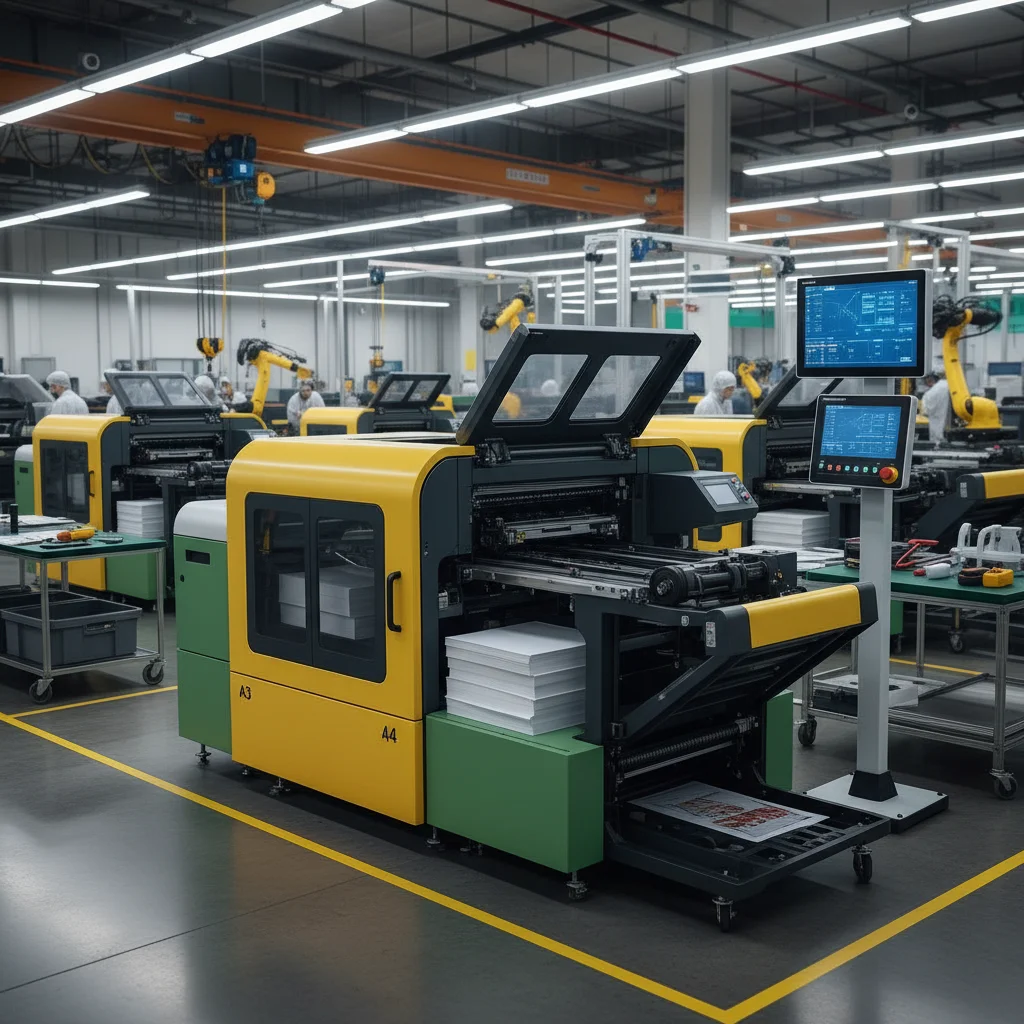
For small workshops or prototyping studios, entry-level models offer a low barrier to entry. These machines typically feature smaller print areas (like A3) and simplified curing setups, making them ideal for short-run personalized items. However, the trade-off is often found in slower production speeds and lower durability during continuous 24/7 operation.
Industrial-grade UV systems are not merely "larger" versions of entry-level printers; they are engineered for reliability, featuring modular components that allow for rapid maintenance and the ability to handle diverse materials from glass and metal to specialized plastics.
When scaling from a manual or semi-automatic process to a fully automated UV DTF or flatbed system, the investment shifts from labor costs to equipment costs. The long-term ROI is realized through the reduction of waste and the ability to maintain consistent quality across thousands of units without manual intervention.
Cost-Efficiency Index by Application
The value proposition of a UV printer varies significantly depending on the target product. For instance, printing on cylindrical items like medicine bottles or cosmetics packaging requires specialized rotary axes, which increases the machine's complexity but allows the user to enter a high-margin niche market.
By analyzing the relative cost versus the production volume, manufacturers can determine whether a dedicated UV system or a hybrid approach—combining traditional screen printing with UV curing—is more efficient. The following index illustrates the relative value based on application complexity.
Figure 2. Relative Value Index by Application Complexity
Operational Integration and Substrate Versatility
A critical but often overlooked factor in the uv printer price is the cost of substrate preparation. For instance, printing on glass or certain plastics may require a primer to ensure adhesion. The integration of a primer station or the use of high-adhesion UV inks can modify the overall operational budget.
Furthermore, the versatility of the equipment determines its lifespan. A system that can handle both conical and cylindrical products—utilizing adjustable mounting frames and bearing rollers—allows a business to pivot its product line without investing in entirely new machinery, effectively lowering the long-term cost per print.
Future Shifts in Printing Technology
The industry is moving toward more sustainable curing methods. LED-UV technology is rapidly replacing traditional mercury lamps because it consumes less power, generates less heat, and eliminates the need for ozone extraction systems. This shift is gradually reducing the operational cost and the physical footprint of UV printing stations.
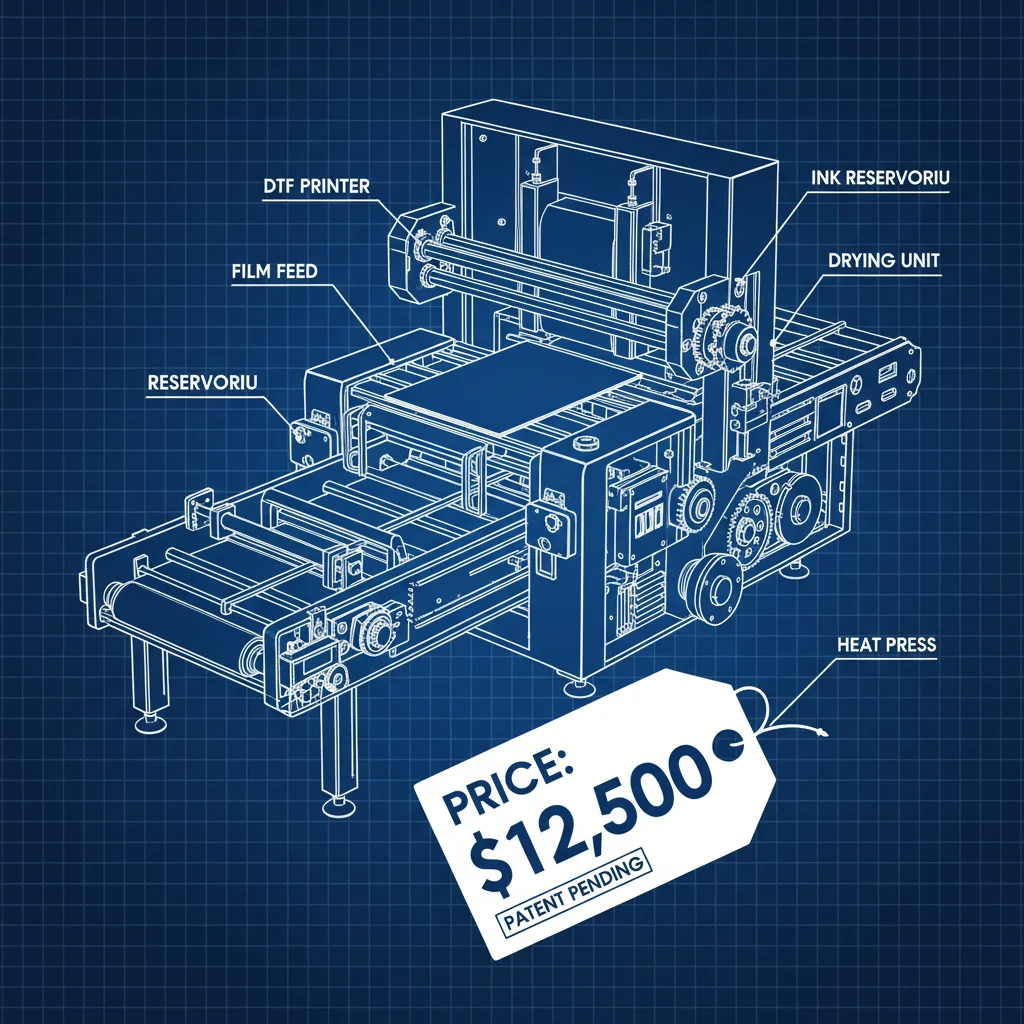
We are also seeing a convergence between UV printing and DTF (Direct to Film) processes. The development of UV DTF printers allows for the creation of high-durability transfers that can be applied to curved surfaces without the need for the final product to be placed inside a printer, bridging the gap between digital precision and traditional application.
As AI-driven print optimization becomes more common, we expect to see systems that automatically adjust ink volume and UV intensity based on real-time substrate analysis, further reducing material waste and improving the efficiency of the print cycle.
Selection Framework and Trade-offs
Choosing the right system requires a disciplined analysis of production volume versus required precision. A buyer must decide whether the higher cost of a fully automatic system is justified by the labor savings, or if a manual system with a high-quality UV curing attachment is sufficient for their current scale.
Key trade-offs usually center around the "Speed vs. Quality" axis. Higher speed often requires more expensive printheads and more powerful curing lamps to ensure the ink sets instantly. Conversely, focusing on extreme detail for small, high-value items may allow for a slower, more affordable machine.
The following table provides a comparative framework for evaluating different UV printing tiers based on typical industrial requirements.
| System Tier | Primary Focus | Typical Substrates | Cost Impact Factor |
|---|---|---|---|
| Entry-Level | Prototyping | Plastic, Acrylic | Low / Low-Volume |
| Mid-Range | Small Batch | Glass, Wood, Metal | Moderate / Versatility |
| Industrial | Mass Production | Industrial Polymers | High / Throughput |
| Specialized (Curved) | Packaging | Bottles, Tubes | Moderate / Rotary Axis |
| UV DTF Hybrid | Transfer Decor | Various / Film-based | Moderate / Workflow |
| Enterprise | Full Automation | Mixed Materials | Very High / Scalability |
Questions & Answers
The price is primarily driven by three factors: the quality and number of printheads, the type of curing system (LED vs. Mercury), and the mechanical complexity of the chassis. Machines capable of printing on curved or conical surfaces require additional rotary axes and precision bearings, which increase the cost compared to simple flatbed printers.
Not necessarily. Industrial systems are built for high-volume stability and 24/7 operation. For a small business focusing on personalized, low-volume orders, an entry-level A3 or A4 UV printer is often more cost-effective. The key is to match the machine's throughput capacity with your actual order volume to avoid unnecessary capital expenditure.
Standard UV printing requires the object to be placed inside the machine. UV DTF prints onto a special film, which is then transferred to the object. This adds a step to the process but provides immense value by allowing the decoration of complex shapes that cannot fit into a printer, potentially reducing the need for multiple specialized machines.
Beyond the initial purchase, users must budget for UV-curable inks, cleaning solutions to prevent printhead clogging, and electricity for curing lamps. Additionally, some substrates require chemical primers to ensure the ink adheres properly, and periodic replacement of LED bulbs or lamp filaments is necessary to maintain curing efficiency.
Yes, specialized UV printers or hybrid systems with conical mounting frames can handle these shapes. This requires an italicized body or adjustable mounting brackets to ensure the substrate remains parallel to the printhead. These mechanical additions typically increase the price compared to standard cylindrical or flat systems.
A well-maintained industrial UV system can last 5 to 10 years. The lifespan depends heavily on the printhead maintenance and the quality of the chassis. Using high-grade materials like aluminum alloys and stainless steel in the frame prevents warping and ensures that registration remains accurate over thousands of hours of operation.
Final Thoughts
Determining the right uv printer price is not about finding the cheapest option, but about identifying the system that offers the lowest cost per quality-print over its operational life. Whether you are investing in a compact A3 model for prototyping or an industrial system for high-volume packaging, the focus should remain on substrate compatibility and curing efficiency.
As the industry moves toward LED-UV and hybrid DTF workflows, the flexibility to handle diverse materials—from conical bottles to flat electronics—will be the primary competitive advantage. By aligning your technical requirements with a realistic scaling strategy, you can ensure that your equipment investment drives growth rather than becoming a financial burden.