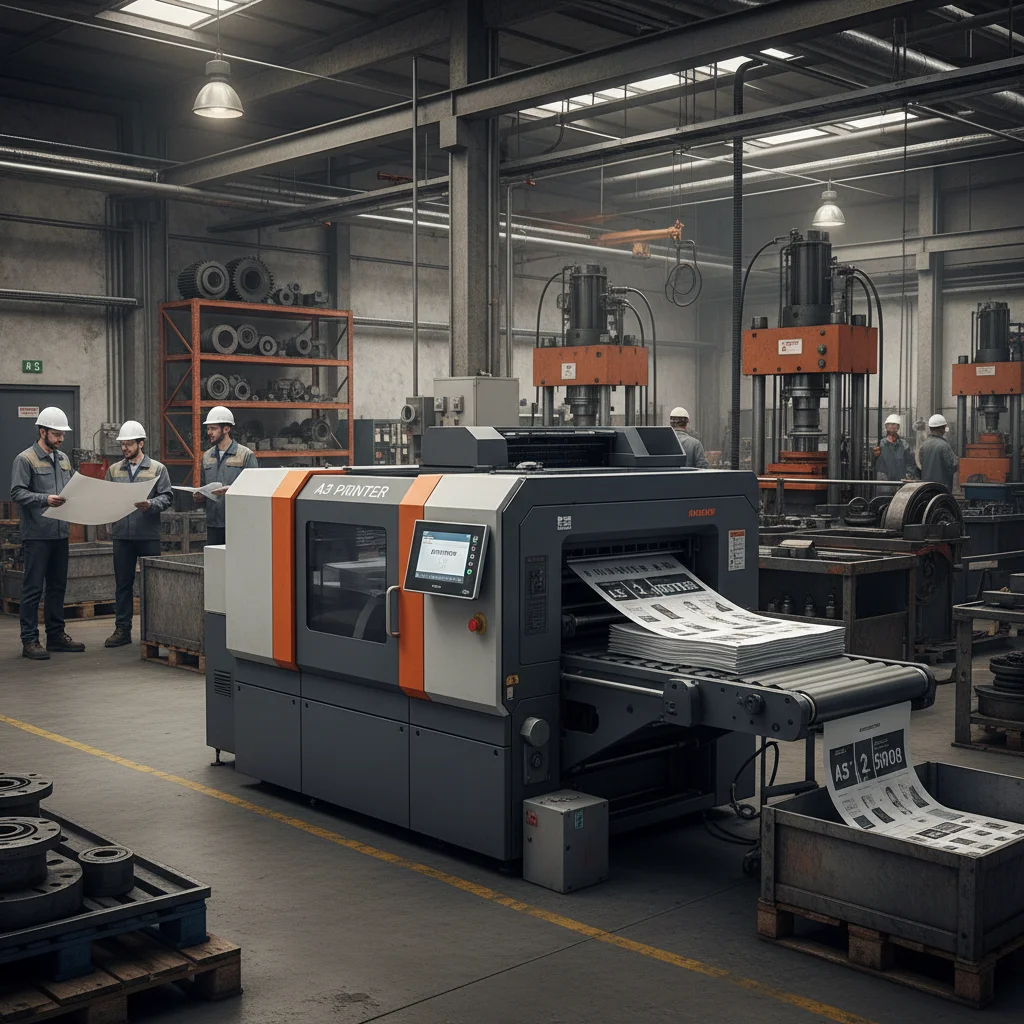
In the rapidly evolving world of textile customization, the integration of a dtf roll printer has revolutionized how businesses approach high-volume garment decoration. By combining digital precision with the efficiency of roll-to-roll production, this technology allows for intricate designs to be printed and transferred with unmatched consistency across thousands of units.
The global demand for personalized apparel has surged, driving manufacturers to seek solutions that bridge the gap between slow manual screen printing and expensive industrial machinery. The rise of the dtf roll printer addresses this by offering a scalable workflow where digital prints are cured and readied for heat pressing in a continuous, streamlined process.
Understanding the synergy between printing and curing is essential for any professional setup. While the printer creates the image, the subsequent drying phase—often handled by specialized equipment like the Tunnel Dryer Machine—ensures that the inks and powders are permanently bonded, guaranteeing the durability and wash-fastness that modern consumers expect from high-end apparel.

The Global Impact of DTF Roll Printer Technology
The global textile printing industry has seen a paradigm shift with the adoption of the dtf roll printer. According to industrial trends, the move toward "on-demand" manufacturing has forced companies to abandon rigid screen-setup times in favor of digital flexibility. This technology allows for a drastic reduction in waste and setup time, enabling small-to-medium enterprises (SMEs) to compete with global giants by offering rapid turnaround times for complex, multi-colored designs.
Furthermore, the standardization of these systems through ISO-aligned manufacturing ensures that output quality remains consistent regardless of the geographic location of the production facility. By implementing a roll-based system, businesses can automate the printing, powdering, and curing phases, which significantly lowers the labor cost per garment and increases the overall throughput of the production line.
Defining the Workflow of a DTF Roll Printer
At its core, a dtf roll printer is a sophisticated digital imaging system that prints ink onto a specialized PET film in roll format. Unlike sheet-fed systems, the roll-to-roll mechanism allows for continuous printing of long strips, which are then coated with a hot-melt adhesive powder. This process transforms a digital file into a physical transfer that can be applied to almost any fabric, including cotton, polyester, and blends.
The true power of this workflow lies in the post-printing stage. Once the ink is laid down, the film passes through a curing system—such as the JM-TR-2 Tunnel Dryer—where IR heating lamps (typically 12 lamps in high-efficiency models) melt the powder into a durable glue. This ensures that the image is not only vibrant but also resistant to repeated washing and stretching, solving the common problem of cracking found in cheaper heat transfer methods.
Ultimately, the connection to modern industry needs is rooted in versatility. Whether it is a sports jersey in Southeast Asia or a corporate uniform in Europe, the dtf roll printer provides a universal solution that removes the limitations of fabric color and material, allowing for a "print once, apply anywhere" logic that maximizes operational efficiency.
Core Technical Components for Efficiency
The efficiency of a dtf roll printer setup depends heavily on the precision of its heating and conveyor components. For instance, the use of silicon carbide tubes as heating elements provides a high-efficiency light source that ensures the ink is cured evenly across the entire width of the film, preventing "cold spots" that could lead to peeling.
A critical factor is the adjustable belt speed and temperature range. In a professional dtf roll printer ecosystem, a tunnel dryer with a speed range of 1-5m/min and temperatures reaching 250 degrees Celsius allows operators to fine-tune the curing process based on the specific type of ink used, whether it be plastisol, silica gel, or water-based inks.
Additionally, the inclusion of digital speed meters and exhaust fans is paramount. The digital meter enables the operator to adjust working speed accurately, while the exhaust fan eliminates smoke and odors from the curing process, maintaining a safe and healthy working environment in the factory—a key requirement for meeting modern occupational health and safety standards.
Scalability and Cost-Effectiveness Analysis
When analyzing the ROI of a dtf roll printer, the most significant gain is found in the reduction of "per-print" costs. By moving from manual setups to an automated roll system, the labor hours required for screen preparation and cleaning are virtually eliminated. This scalability allows a business to grow from printing 50 shirts a day to 5,000 without a linear increase in staffing costs.
Moreover, the ability to customize the working area of the curing equipment means that the system can grow with the business. From entry-level models to full-scale industrial tunnels with 170x65cm heating areas, the infrastructure can be scaled to match the output of the printer, ensuring there are no bottlenecks in the production line.
Performance Metrics of DTF Roll Printer Configurations
Industrial Applications Across Textile Sectors
The versatility of the dtf roll printer makes it indispensable across various industrial zones. In the high-fashion sector, it is used for creating intricate, limited-edition drops where colors must be vivid and precise. In the industrial workwear sector, the durability of the cured film allows for branding on heavy-duty fabrics that traditionally resisted ink penetration.
Beyond standard apparel, these systems are increasingly used in the production of promotional merchandise and home textiles. For instance, in remote industrial zones where traditional screen printing facilities are unavailable, a compact DTF setup provides a localized solution for rapid branding, reducing the reliance on expensive shipping and centralized printing hubs.
Long-Term Value and Sustainability
From a sustainability perspective, the dtf roll printer offers a significant advantage over traditional screen printing by eliminating the need for large quantities of water and chemicals used in screen washout. By utilizing a digital process, companies can significantly reduce their environmental footprint, aligning with global "Green Manufacturing" initiatives.
The logical value lies in the reliability of the output. With precisely controlled temperatures and consistent belt speeds, the risk of ruined garments—and the resulting textile waste—is minimized. This precision fosters a sense of trust and innovation, as designers are more willing to experiment with complex imagery knowing the technology can execute it flawlessly.
Moreover, the long-term durability of the prints ensures that garments stay in use longer, combating the "fast fashion" cycle of disposable clothing. By investing in high-quality curing equipment and a robust printer, brands can guarantee a product that maintains its integrity, thereby enhancing the perceived value and dignity of the end consumer.
Future Innovations in DTF Roll Printer Systems
The future of the dtf roll printer is trending toward complete automation and AI-driven optimization. We are seeing the emergence of "smart" tunnel dryers that can automatically adjust temperature and belt speed based on sensors that detect the ink thickness and film type in real-time, ensuring a perfect cure every single time.
Digital transformation is also bringing cloud-integrated print management, allowing operators to monitor the status of their roll printers from anywhere in the world. This connectivity, combined with the adoption of eco-friendly, biodegradable PET films and water-based ink innovations, will make the DTF process even more sustainable and accessible to the global market.
As we move toward Industry 4.0, the integration of robotic arms for the heat-pressing stage will complete the automated loop, from digital file to finished garment. This evolution will further lower costs and open up new possibilities for mass customization on a global scale.
Technical Comparison of DTF Production Variables
| Configuration Level |
Max Temp Capacity |
Throughput Speed |
Ink Compatibility |
| Starter Roll Kit |
180°C |
1-2 m/min |
Water-based only |
| Professional Setup |
220°C |
2-4 m/min |
Plastisol & Water |
| Industrial JM-TR-2 |
250°C |
1-5 m/min |
All textile inks |
| High-Speed Line |
250°C |
5-10 m/min |
Industrial Grade |
| Customized Wide-Bed |
260°C |
3-6 m/min |
Specialty Inks |
| Eco-Hybrid System |
200°C |
2-5 m/min |
Eco-Solvent/Water |
FAQS
The primary difference is scalability and continuous production. A DTF roll printer uses continuous rolls of PET film, allowing for longer prints and a streamlined workflow that integrates directly with automatic powder shakers and tunnel dryers. Sheet printers are better for low-volume, one-off samples, whereas roll printers are designed for commercial production, significantly reducing labor costs and increasing output speed.
While DTF printers use specialized DTF inks, the subsequent curing equipment, like the JM-TR-2 tunnel dryer, is versatile. It is suitable for various textile printing inks, including plastisol, silica gel, paste, and water-based inks. The adjustable temperature range (0-250°C) allows operators to select the precise heat level required for the specific ink chemistry being used.
Peeling is usually a result of under-curing. To prevent this, ensure your tunnel dryer has high-efficiency heating elements (like silicon carbide tubes) and that the belt speed is calibrated correctly. The powder must be completely melted into a smooth, glossy layer. Using a digital speed meter to ensure a consistent transit time through the heating zone is key to professional, wash-fast results.
Yes, for commercial volumes, a tunnel dryer is essential. While small setups use ovens, a tunnel dryer allows for a continuous flow of film, matching the output speed of the roll printer. This eliminates the bottleneck of manual loading and unloading, ensuring that the powder is cured uniformly across large surface areas, which is impossible with standard batch ovens.
Industrial curing machines, such as the JM-TR-2, typically require significant power to maintain high temperatures. For example, a standard model may operate on 220v with a total power consumption of 9000w. It is important to ensure your facility's electrical infrastructure can handle this load to avoid voltage drops that could affect heating consistency.
Regularly checking the silicon carbide tubes for signs of wear or breakage is vital. Most professional systems provide replacement lamps; for instance, some models include two free lamps for immediate maintenance. Ensuring the exhaust fan is clear of debris also helps maintain the correct internal temperature and prevents heat buildup that could damage the electronics.
Conclusion
The transition to a dtf roll printer ecosystem represents a strategic leap for any textile business looking to combine digital agility with industrial-scale output. By integrating high-precision printing with professional curing solutions like the tunnel dryer, manufacturers can achieve a level of consistency, durability, and efficiency that was previously unattainable. The reduction in chemical waste and the ability to print on virtually any fabric make this technology a cornerstone of modern sustainable garment production.
Looking forward, the continued evolution of automated curing and AI-driven process control will further lower the barrier to entry for high-quality apparel customization. For businesses aiming to scale, the key lies in investing in robust, adjustable equipment that can evolve alongside their growth. To explore the full range of compatible equipment and consumables for your production line, visit our website: www.silkscreenprintingsupply.com