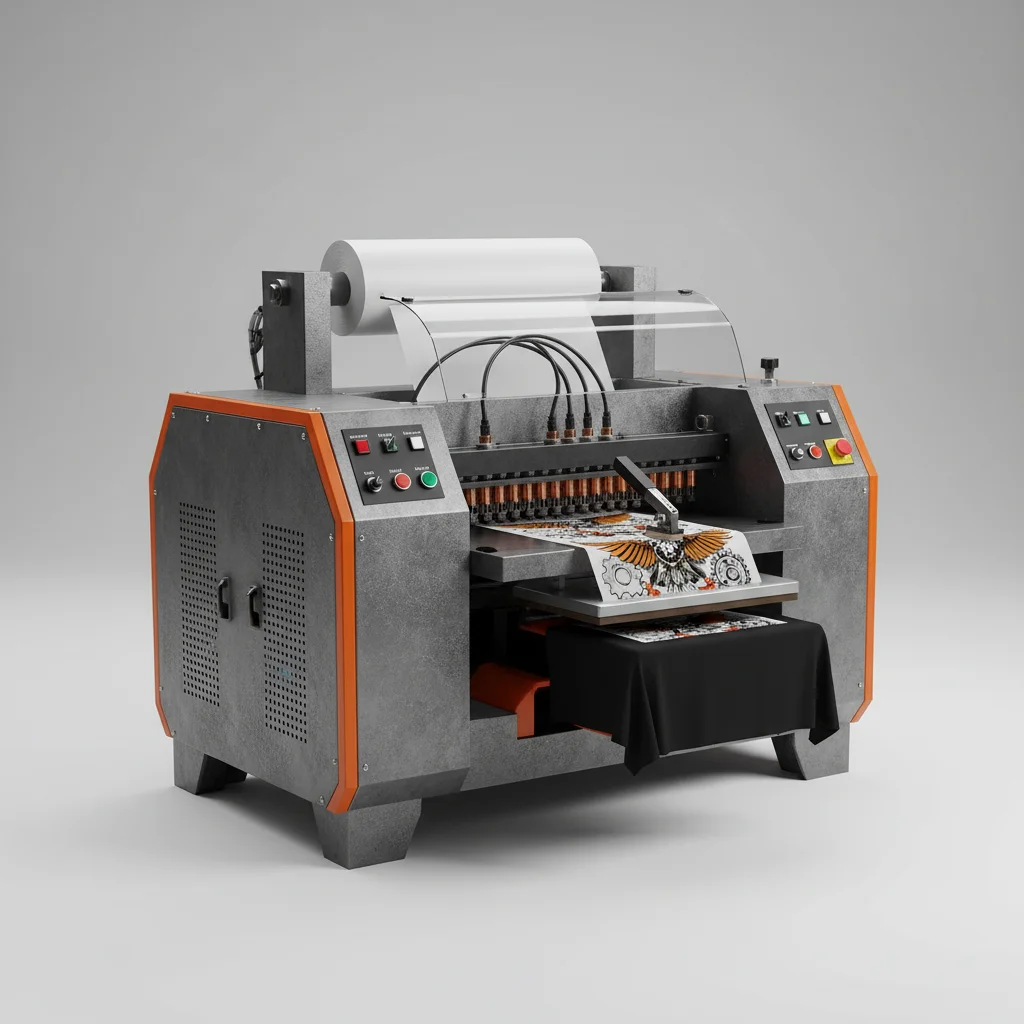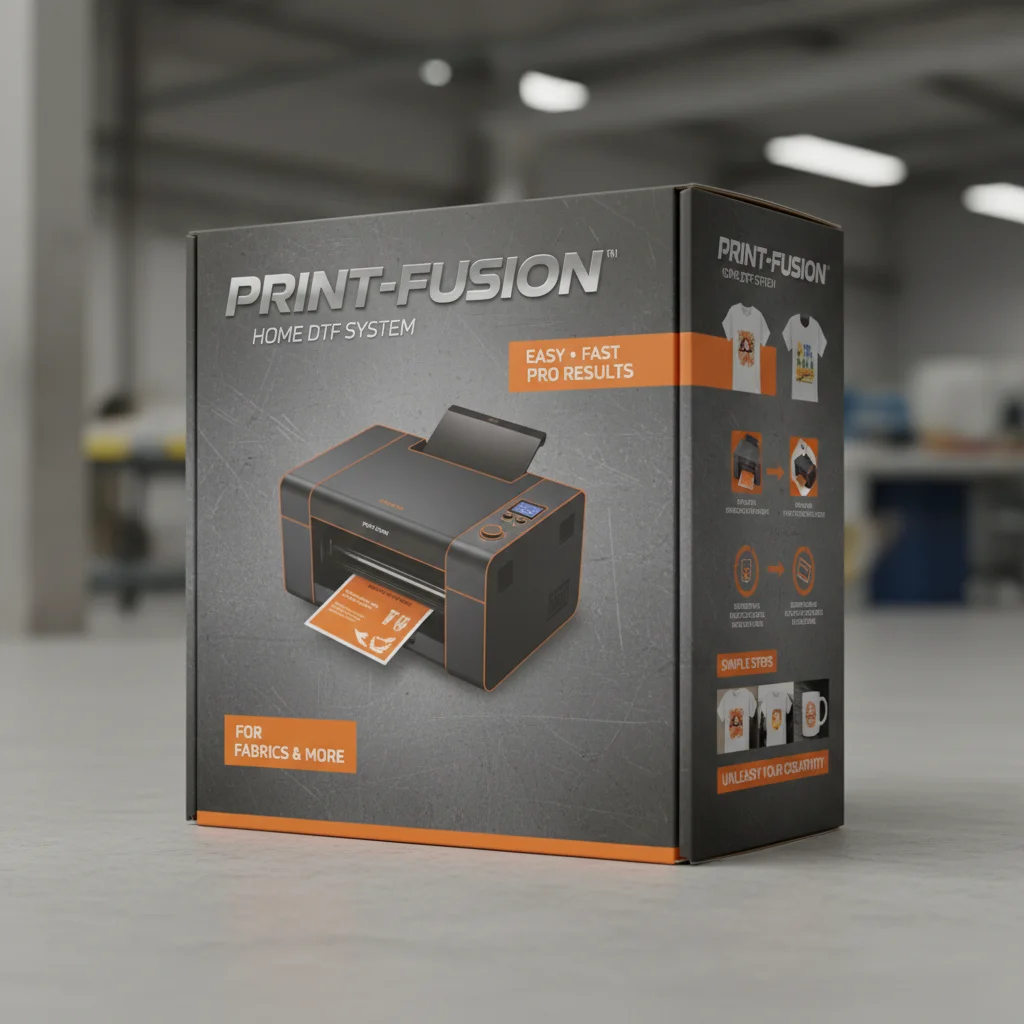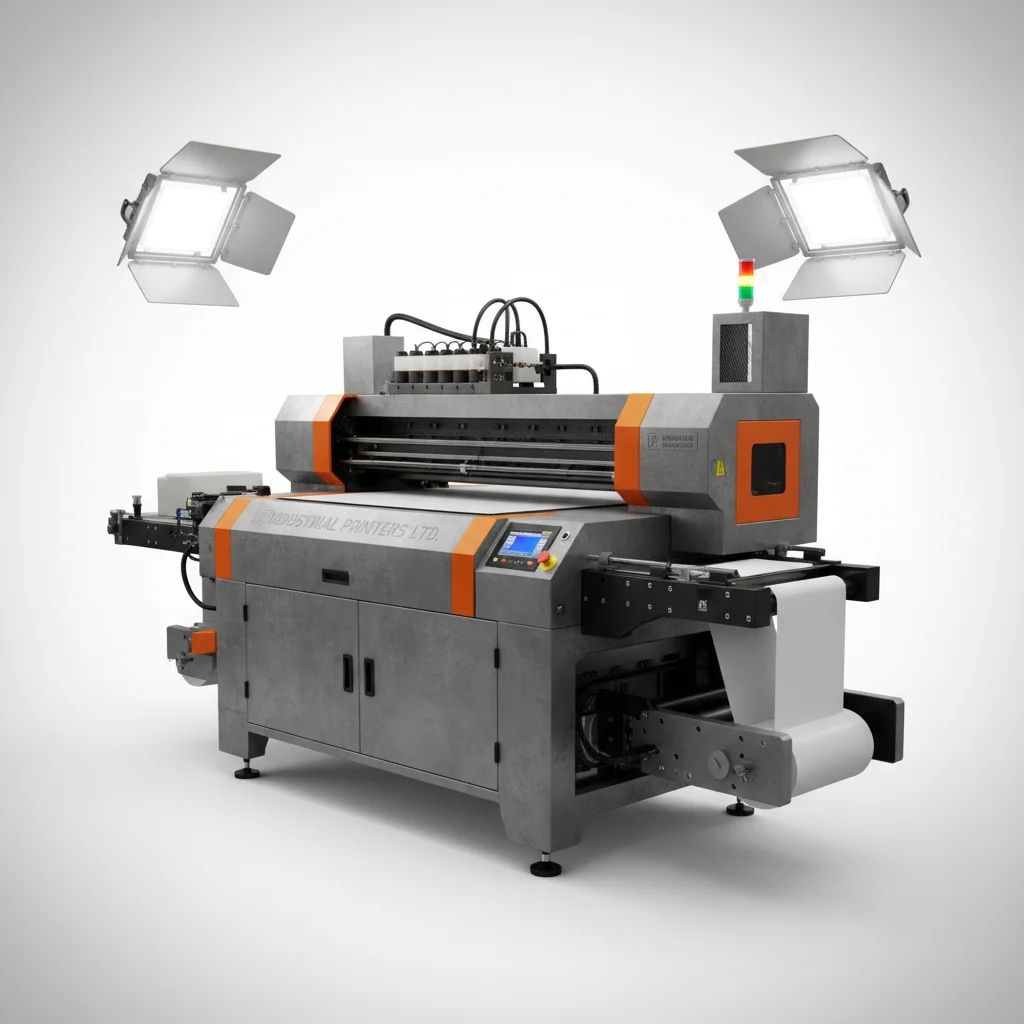
The evolution of digital printing has brought an unprecedented level of flexibility to the screen printing and graphic arts industry, with the a3 size printer emerging as the gold standard for mid-sized production. By bridging the gap between small desktop units and industrial wide-format machinery, these printers allow creators to produce high-fidelity proofs, detailed transparencies, and marketing materials without the overhead of massive equipment.
In a global market where rapid prototyping and "on-demand" production are critical, the ability to print at A3 dimensions provides a strategic advantage. Whether it is for creating precise screens for silk screening or producing professional architectural drafts, the A3 format offers the necessary surface area for detail while remaining compact enough for small studio environments, ensuring that quality is never sacrificed for space.
Understanding the technical nuances of an a3 size printer—from ink compatibility to resolution density—is essential for any business aiming to optimize its workflow. By integrating these machines into a broader ecosystem of screen printing consumables and equipment, manufacturers can significantly reduce waste and increase the throughput of their creative cycles.
Global Relevance of A3 Printing Technology
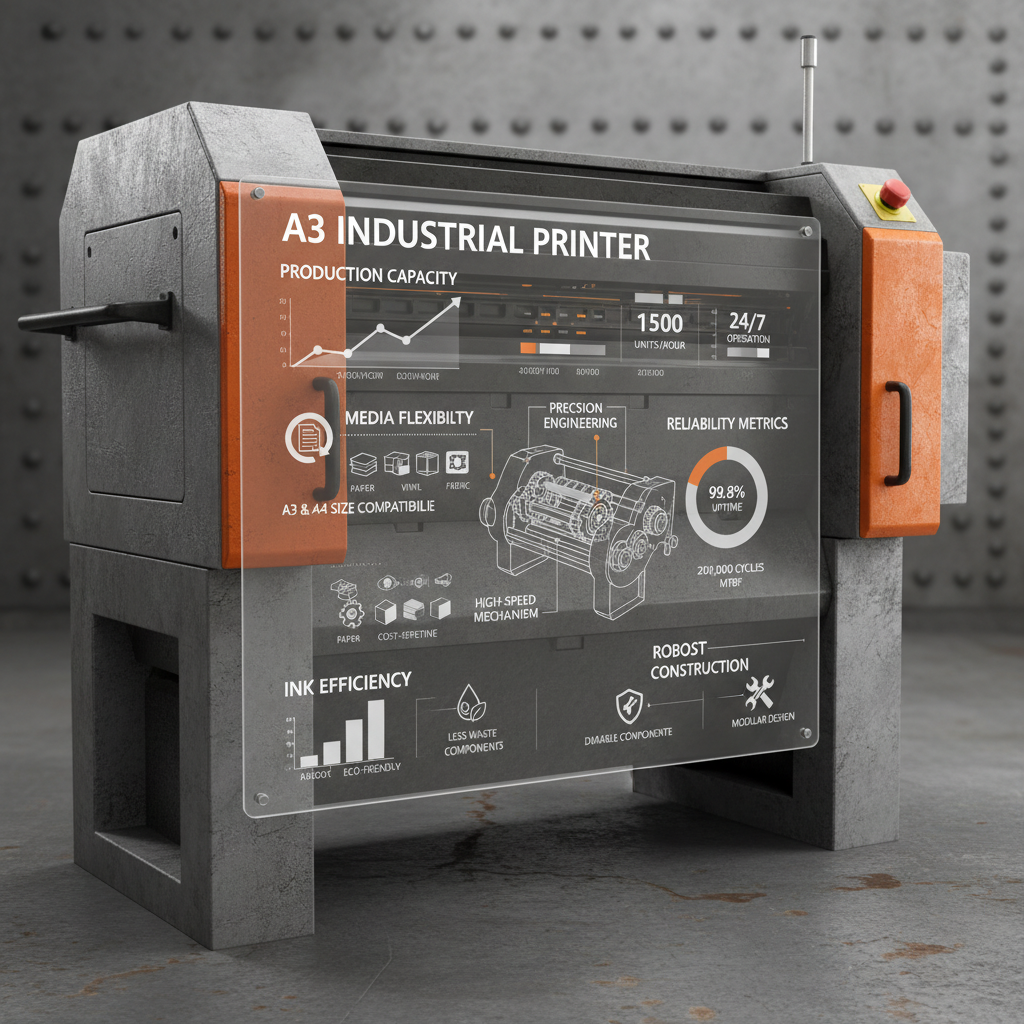
On a global scale, the adoption of a3 size printer technology has mirrored the rise of the "prosumer" market. According to industrial trends aligned with ISO standards for paper sizes, the A3 format (297 x 420 mm) is the ideal equilibrium for commercial documentation and art prints. In regions like Southeast Asia and Europe, where small-to-medium enterprises (SMEs) dominate the manufacturing landscape, these printers have become indispensable tools for producing technical blueprints and screen-printing positives.
The primary challenge addressed by this technology is the scalability of production. Many businesses previously had to outsource their larger prints, leading to delays and increased costs. By bringing the capability of an a3 size printer in-house, companies can pivot their designs in real-time, significantly shortening the lead time from conceptual design to the final screen-printed product.
Defining the A3 Size Printer in Modern Industry
In simple terms, an a3 size printer is a professional-grade output device capable of printing sheets exactly twice the size of a standard A4 page. Unlike consumer printers, industrial A3 models are engineered for higher ink density, precise color registration, and the ability to handle heavier media stocks, such as inkjet films used in the screen printing process.
In the context of modern industrial needs, this device serves as the critical "bridge" in the pre-press stage. For a screen printing business, the A3 printer is not just a tool for paperwork; it is the machine that creates the high-contrast black films required for exposure machines. Without a reliable A3 output, the precision of the emulsion burnout and the subsequent print quality would be compromised.
Furthermore, the integration of UV and DTF technologies has expanded the definition of what an A3 printer can do. Today's advanced a3 size printer can often handle specialized inks that cure instantly, allowing for direct-to-film transfers that bypass traditional screen setup entirely, thereby democratizing high-quality garment decoration.
Core Components for High-Performance Output
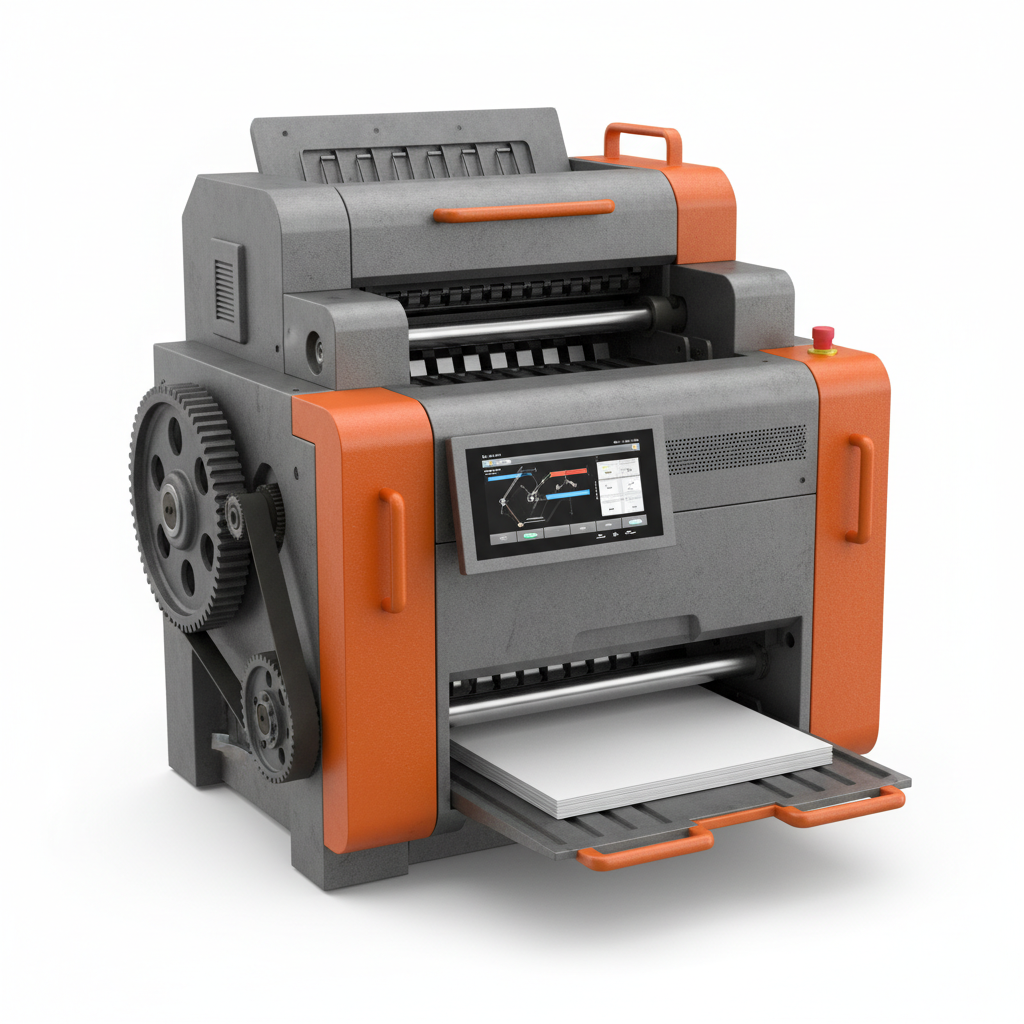
The durability of an a3 size printer is rooted in its chassis and feed mechanism. Industrial-grade rollers and heavy-duty paper trays prevent skewing, which is vital when printing alignment marks for complex multi-color screen prints. A robust build ensures that the machine can handle 24/7 operation in a busy production shop.
Precision and resolution are the heart of the a3 size printer experience. Utilizing high-DPI print heads allows for smooth gradients and razor-sharp edges on transparencies. This is non-negotiable for professional screen printers, as any jagged edges on the film will be magnified once the emulsion is exposed to UV light.
Cost efficiency is achieved through optimized ink delivery systems. Many modern A3 printers utilize CISS (Continuous Ink Supply Systems) or high-capacity tanks, reducing the cost per page. This makes the a3 size printer a sustainable investment for startups that need to maintain high margins on their printed goods.
Key Factors Influencing Production Efficiency
When evaluating the efficiency of a production line, the speed and reliability of the a3 size printer act as a bottleneck or a catalyst. High-speed processing ensures that the design team can iterate quickly, while automatic duplexing and advanced tray management reduce manual intervention, allowing operators to focus on the actual screen printing and curing process.
Moreover, the synergy between the printer and consumables—such as high-quality inkjet film and emulsion—determines the final yield. A printer that can maintain consistent ink density across the entire A3 surface ensures that there are no "weak spots" in the film, which would otherwise lead to pinholes in the screen and defects in the final printed garment or product.
Production Impact of A3 Size Printer Configurations
Global Applications and Real-World Use Cases
Across various industries, the a3 size printer is utilized for high-precision tasks. In the fashion industry, designers use these printers to create scale-accurate mockups and film positives for screen printing t-shirts and hoodies. This allows for a seamless transition from a digital canvas to a physical textile, ensuring that proportions are maintained exactly as intended.
Beyond textiles, in remote industrial zones or post-disaster relief operations, portable a3 size printer units are used to print essential site maps, technical diagrams, and instructional posters. The ability to produce clear, large-format visual aids on-site improves safety and coordination in environments where digital screens are unavailable or impractical.
Long-Term Value and Sustainable Advantages
The long-term value of investing in a high-quality a3 size printer extends beyond mere productivity. By reducing the reliance on external print shops, businesses gain total control over their intellectual property and quality assurance. This autonomy fosters innovation, as designers can experiment with new patterns and techniques without incurring per-print costs from a third-party vendor.
From a sustainability perspective, modern A3 printers are incorporating eco-friendly ink options and energy-saving modes. By optimizing ink usage and reducing paper waste through precise print-preview software, the a3 size printer helps shops align with global green initiatives, reducing the chemical footprint of the pre-press process.
Ultimately, the trust a client places in a screen printing shop is based on the consistency of the final product. An A3 printer ensures that the foundation—the film—is flawless. This reliability translates into fewer ruined screens and less wasted emulsion, enhancing the overall dignity and professionalism of the craft.
Future Trends and Digital Transformation
The future of the a3 size printer is inextricably linked to the digital transformation of the manufacturing sector. We are seeing a shift toward "smart" printing, where AI-driven software automatically optimizes ink density based on the type of film being used. This eliminates the trial-and-error phase of creating positives, further streamlining the screen printing workflow.
Another emerging trend is the integration of hybrid printing capabilities. Future a3 size printer models are expected to blend traditional inkjet technology with UV-curable inks in a single pass, allowing for the creation of textured positives or direct-to-substrate prints that can serve as masters for screen duplication.
As automation continues to permeate the industry, we anticipate that A3 printers will be fully integrated into automated screen-exposure systems. This "lights-out" pre-press approach will allow a designer to send a file from their workstation and have the a3 size printer output the film and the exposure machine burn the screen without any human intervention.
Comparative Analysis of A3 Printer Technologies for Screen Printing
| Technology Type |
Ink Density |
Detail Precision |
Operating Cost |
| Inkjet A3 (Pigment) |
High |
Excellent |
Medium |
| Laser A3 (Toner) |
Medium |
Good |
High |
| UV A3 (Curing) |
Very High |
Superior |
High |
| DTF A3 (Transfer) |
High |
Very Good |
Medium |
| Eco-Tank A3 |
Medium |
Good |
Very Low |
| Plotter A3 (Hybrid) |
Medium |
Excellent |
Medium |
FAQS
Yes, for most professional shops, an a3 size printer is essential because it allows for the creation of film positives that fit standard screen sizes. While A4 printers exist, they limit your design area and often require "tiling" images, which creates visible seams and alignment issues during the exposure process. An A3 printer provides the necessary canvas to maintain design integrity for t-shirts, posters, and industrial parts.
For creating screen printing positives, pigment-based inks are generally preferred over dye-based inks. Pigment inks provide a deeper, more opaque black that effectively blocks UV light during the exposure process, resulting in sharper edges and more consistent emulsion burnout. If you are using a UV a3 size printer, you gain the added benefit of instant curing and even higher opacity.
Consistency is key. To prevent clogging, especially in an industrial environment, you should print a nozzle check pattern at least once every two days. Using a high-quality CISS system can also help maintain a steady flow of ink. Additionally, keeping the printer in a climate-controlled area with stable humidity prevents the ink from drying out too quickly in the print head.
Most professional-grade A3 printers are designed with a straight-through paper path or high-torque rollers specifically to handle thicker media like inkjet films and cardstock. When using these materials, it is important to adjust the media settings in the printer driver to "Heavy Paper" or "Film" to ensure the print head height is adjusted and the ink drying time is optimized.
A standard A3 printer uses liquid inks that soak into the paper or film. A UV DTF a3 size printer uses specialized UV-curable inks and a varnish layer that are cured by UV light as they print. This allows the output to be a durable, adhesive-backed sticker or transfer that can be applied to hard surfaces without needing a screen or a heat press, though both are vital tools in a complete print shop.
By bringing film production in-house, you eliminate the cost of outsourcing and the time spent waiting for deliveries. Furthermore, the precision of a high-quality A3 printer reduces the number of "failed" screens (those with pinholes or blurriness), which saves money on photo emulsion, mesh, and labor. Over a year, the reduction in material waste often pays for the machine itself.
Conclusion
In summary, the a3 size printer is far more than a simple office peripheral; it is a cornerstone of the modern screen printing and graphic production workflow. From its role in creating high-opacity positives to its ability to handle diverse industrial media, the A3 format provides the perfect balance of size, precision, and efficiency. By focusing on core components like resolution and ink density, and embracing new trends in UV and digital automation, businesses can ensure a seamless transition from digital art to physical product.
Looking forward, the integration of AI and sustainable ink technologies will further elevate the capabilities of the a3 size printer, making professional-grade production accessible to even the smallest creative studios. For those looking to upgrade their pre-press capabilities and reduce production bottlenecks, investing in a reliable A3 solution is the most logical step toward scaling operations. Explore our full range of compatible equipment and consumables to optimize your shop today. Visit our website: www.silkscreenprintingsupply.com