Finding a good a3 printer is a critical decision for small to medium-sized printing studios and industrial design shops. As the demand for high-precision, mid-format output grows, the A3 size provides the perfect balance between standard office documents and large-format posters, allowing creators to produce professional-grade prototypes and marketing materials in-house.
In the broader context of screen printing and specialized equipment manufacturing, the role of a good a3 printer extends beyond simple paper output. It serves as the primary engine for generating high-resolution transparency films and layout guides, which are essential precursors to the emulsion exposure process, ensuring that the final silk screen print is sharp and accurate.
Investing in the right hardware not only optimizes production speed but also significantly reduces material waste. By understanding the technical nuances of ink saturation, dpi (dots per inch), and media handling, businesses can transition from amateur setups to a professional workflow that meets the rigorous standards of the global printing industry.
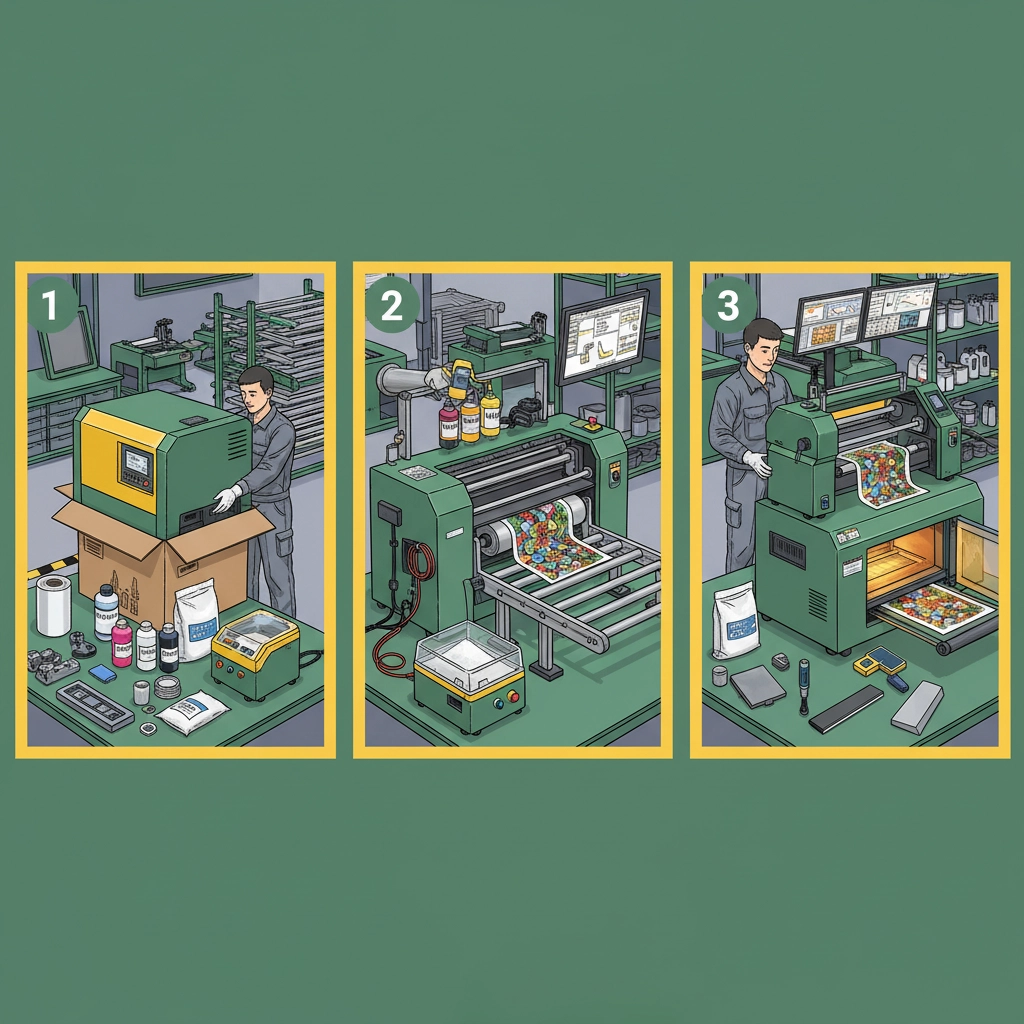
Global Demand and Industry Impact of A3 Printing
The global market for mid-format printing has seen a surge as decentralized manufacturing and "maker culture" expand. According to industrial trends, the adoption of a good a3 printer allows small enterprises to bypass expensive outsourcing for their initial design phases, enabling rapid iteration and faster time-to-market for custom apparel and industrial components.
From architectural firms in Europe to textile workshops in Southeast Asia, the versatility of the A3 format bridges the gap between digital design and physical production. The challenge often lies in finding a machine that offers both the precision required for technical drawings and the ink density needed for screen-printing films, which is where professional-grade equipment becomes indispensable.
Defining the Standards of a Professional A3 Printer
In simple terms, a good a3 printer is a device capable of producing high-fidelity images on paper or film up to 297 x 420 mm. Unlike standard home printers, a professional unit is characterized by its ability to handle heavier media, maintain consistent color calibration across long print runs, and offer precise control over ink distribution.
In the specialized field of screen printing, the "good" in a printer is defined by its "black density." For a film to be effective in an exposure machine, the black areas must be completely opaque to block UV light. Therefore, a professional A3 printer is often judged by its ability to lay down thick, consistent layers of pigment without bleeding or streaking.
Moreover, the connection to modern industrial needs is evident in the shift toward hybrid workflows. By combining a high-quality A3 digital output with traditional screen printing techniques, manufacturers can achieve a level of detail and scalability that was previously impossible without massive capital investment in large-format offset presses.
Core Technical Components for High-End Output
Durability and build quality are the first hallmarks of a good a3 printer. Industrial-grade chassis reduce vibration during the print head's movement, which is essential for eliminating "banding" in large color gradients and ensuring that fine lines in screen printing positives remain crisp.
Scalability in terms of ink systems is another critical factor. A good a3 printer often features modular ink tanks or high-capacity cartridges that lower the cost per page while allowing the user to switch between pigment-based inks for archival quality and dye-based inks for vivid color.
Precision paper handling, including adjustable rollers and rear-feed slots for thick films, ensures that media does not skew. This mechanical reliability is what separates a consumer-grade device from a tool that can withstand the daily rigors of a screen printing production environment.
Performance Metrics and Efficiency Analysis
Evaluating the efficiency of a good a3 printer involves looking at more than just pages per minute. We must analyze the intersection of resolution (DPI), ink coverage, and the reliability of the print head over thousands of cycles.
For most professionals, the trade-off between speed and quality is the primary concern. High-resolution modes are necessary for the "positive" films used in screen printing, while draft modes are sufficient for internal proofs and layout checks.
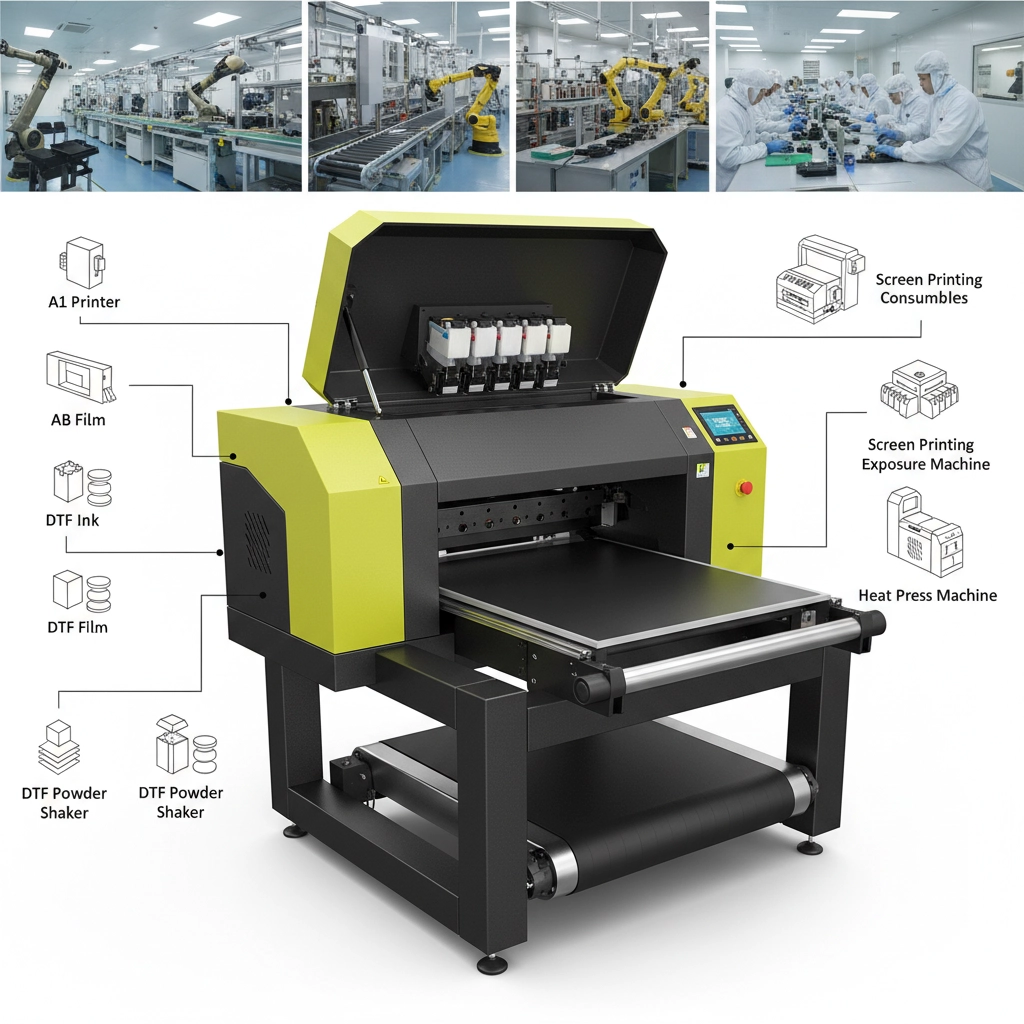
Performance Comparison of A3 Printing Technologies
Real-World Applications in Screen Printing Workflows
In a typical professional screen printing shop, a good a3 printer is the first point of contact in the production line. It is used to print the artwork onto transparent acetate or inkjet film. This film is then applied to a screen coated with photo emulsion and exposed to light, transferring the digital design into a physical stencil.
Beyond film output, these printers are invaluable for creating "tech packs" and color proofs. When working with international clients, sending a physically printed A3 proof ensures that color expectations are aligned before the expensive process of mixing screen printing inks and producing hundreds of garments begins.
Long-Term Value and Sustainability Benefits
The logical value of investing in a good a3 printer lies in the drastic reduction of outsourcing costs. By bringing film production in-house, a shop can reduce its turnaround time from days to minutes, allowing for "on-demand" screen creation that aligns perfectly with lean manufacturing principles.
From a sustainability perspective, modern A3 printers are incorporating more eco-friendly ink formulations and energy-saving modes. By optimizing the ink laydown through precision software, businesses can reduce chemical waste and minimize the amount of discarded film, contributing to a greener production cycle.
Emotionally, the reliability of a high-end printer provides peace of mind. There is an immense amount of stress in a production deadline when a printer jams or produces streaky lines; a professional-grade machine eliminates this anxiety, fostering a culture of trust and innovation within the creative team.
Future Innovations in Digital A3 Imaging
The future of the good a3 printer is closely tied to the digital transformation of the printing industry. We are seeing the integration of AI-driven color management systems that can automatically adjust ink density based on the type of film being used, removing the guesswork from the exposure process.
Additionally, the rise of UV-curable inks in A3 formats is allowing for direct-to-substrate printing on a wider variety of materials. This convergence means that the A3 printer is evolving from a "film maker" into a versatile production tool capable of printing directly onto small signage, acrylics, or wood.
As automation becomes standard, we expect to see A3 printers integrated with robotic loaders and software that automatically nests designs to maximize sheet usage, further driving down costs and increasing the accessibility of professional printing for entrepreneurs worldwide.
Technical Comparison of A3 Printer Tiers for Screen Printing
| Printer Category |
Ink Density Score |
Media Versatility |
Operational Cost |
| Entry-Level Inkjet |
4/10 |
Low (Paper only) |
Low Initial / High Ink |
| Prosumer Eco-Tank |
6/10 |
Medium (Film/Paper) |
Medium / Low Ink |
| Industrial Pigment |
9/10 |
High (Heavy Films) |
High / Moderate Ink |
| Laser LED A3 |
8/10 |
Medium (Specialty) |
Medium / Medium Toner |
| Hybrid UV A3 |
10/10 |
Ultra-High (Multi) |
Very High / Specialized |
| Drafting Plotter |
5/10 |
High (Roll Paper) |
Medium / Low Ink |
FAQS
For screen printing, a good a3 printer must provide exceptional "optical density" in its black ink. This means the black areas of your printed film must be completely opaque to prevent light from leaking through during the UV exposure process. If the printer cannot produce a deep, solid black, your screen emulsion will not harden correctly, resulting in failed stencils and wasted materials.
While possible, standard office printers often struggle with the thickness of professional inkjet transparency films, leading to paper jams or ink smudging. Furthermore, office toner or ink often lacks the density required for high-detail screens. For professional results, it is highly recommended to use a printer specifically designed for high-resolution photo or pigment output.
The key to longevity is consistency. Print a test page at least once a week to keep the ink flowing. For those using pigment inks, utilizing the built-in cleaning cycles is essential, but avoid over-cleaning as it wastes ink. Additionally, keeping the printer in a dust-free environment prevents contaminants from damaging the print head during high-speed movements.
Yes, Eco-Tank systems are incredibly cost-effective because they replace expensive cartridges with high-capacity ink bottles. This drastically lowers the cost per print, which is vital when you are printing multiple versions of a design for registration tests. Just ensure the ink quality is sufficient for your specific film type to maintain opacity.
Dye inks are more vibrant and blend better, but they can bleed on some films and fade over time. Pigment inks consist of tiny particles that sit on top of the media; they are generally more waterproof, fade-resistant, and provide the higher opacity needed for professional screen printing positives.
While standard drivers work, using RIP (Raster Image Processor) software allows for much finer control over ink limits and dot placement. RIP software can help you achieve a "saturated black" that standard print drivers might limit to prevent ink bleeding, which is crucial for high-quality screen printing films.
Conclusion
In summary, selecting a good a3 printer is about more than just size; it is about balancing ink density, mechanical reliability, and operational cost to create a seamless production pipeline. From the initial digital draft to the final opaque film, the right printer empowers screen printing professionals to maintain absolute control over their quality and turnaround times, ultimately driving higher profitability and creative freedom.
As we look toward a future of hybrid digital-analog manufacturing, the integration of smarter, more sustainable A3 printing technology will continue to lower the barrier to entry for entrepreneurs. Whether you are upgrading an existing studio or starting a new venture, prioritizing a machine that offers professional-grade precision will ensure your business remains competitive in an ever-evolving market. Visit our website for more professional equipment: www.silkscreenprintingsupply.com