• Home
  • Global Service
  • Advanced UV DTF Printing Machine Solutions for Portugal’s Textile Sector

Advanced UV DTF Printing Machine Solutions for Portugal's Textile Sector

Empowering Portuguese garment manufacturers and artisanal studios with high-precision digital transfer and traditional screen printing technology.

Advanced UV DTF Printing Machine Solutions for Portugal's Textile Sector

From the traditional hubs of Porto to the fashion districts of Lisbon, we provide a comprehensive ecosystem including the UV DTF Printing Machine and professional consumables to elevate local production standards.

Current Landscape of Printing Industry in Portugal

Analyzing the shift from traditional craftsmanship to digital agility in the Iberian Peninsula.

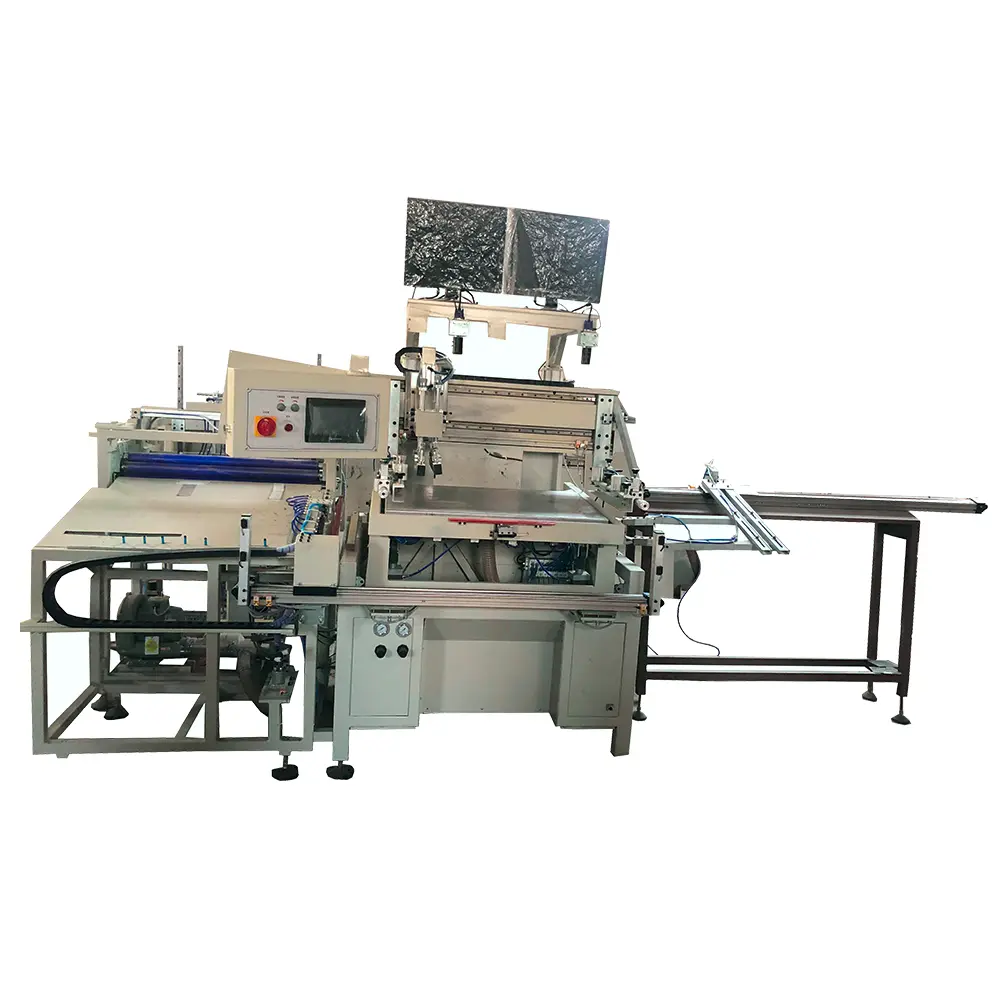
Portugal's textile industry is currently navigating a transition phase. While the country is renowned for its high-quality cotton and garment manufacturing, there is an increasing demand for fast-turnaround customization. The adoption of the DTF Printing Machine has surged as local workshops seek to move away from the high setup costs of traditional screens for small-batch luxury orders.

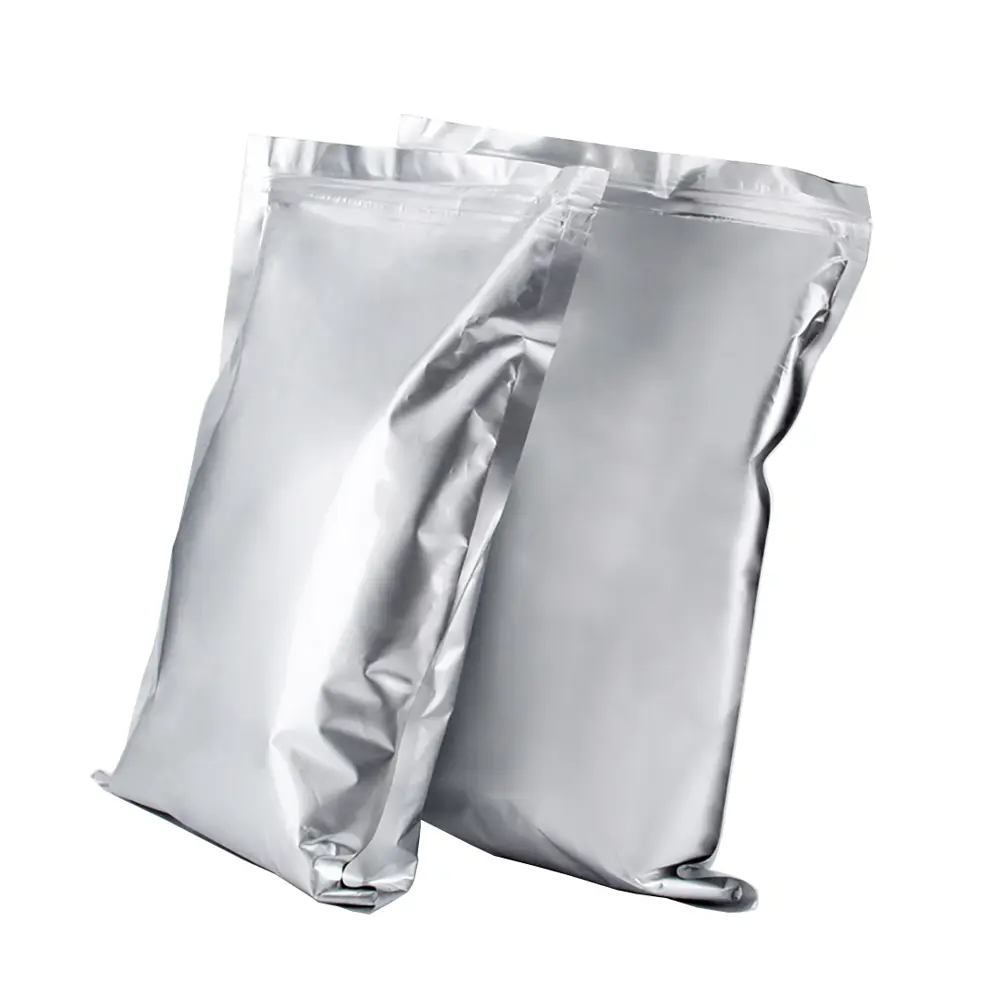
The Atlantic climate of Portugal, particularly in northern regions, presents specific challenges for ink drying and humidity control. This has led to a higher preference for specialized DTF Powder that offers superior adhesion and stability under varying environmental conditions, ensuring that prints remain durable on high-end Portuguese fabrics.

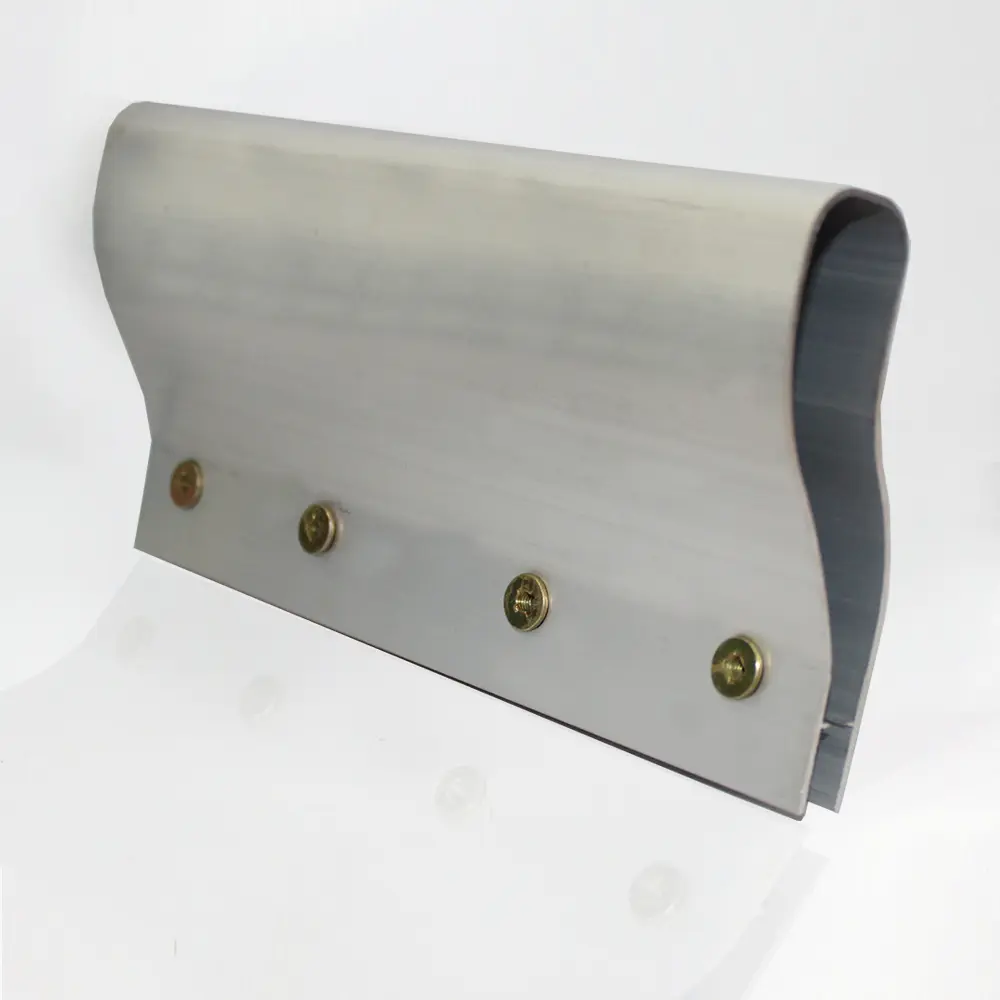
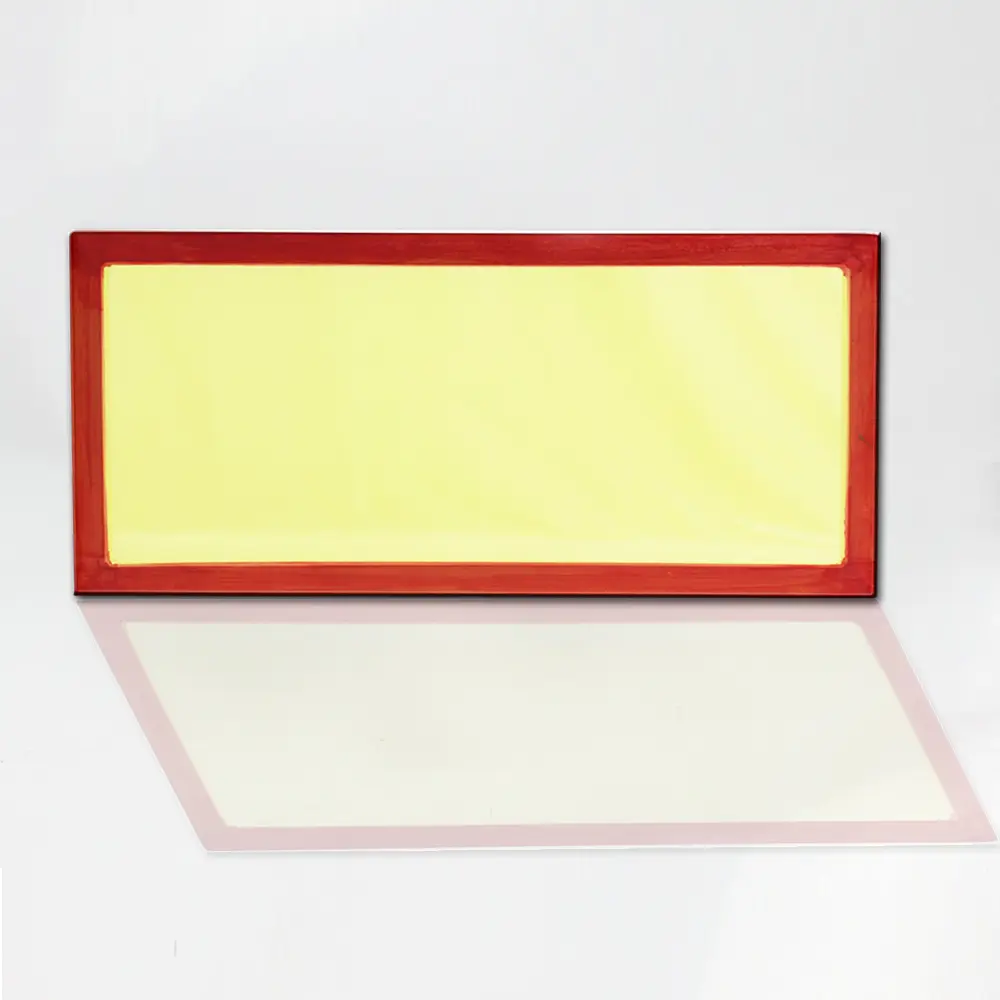
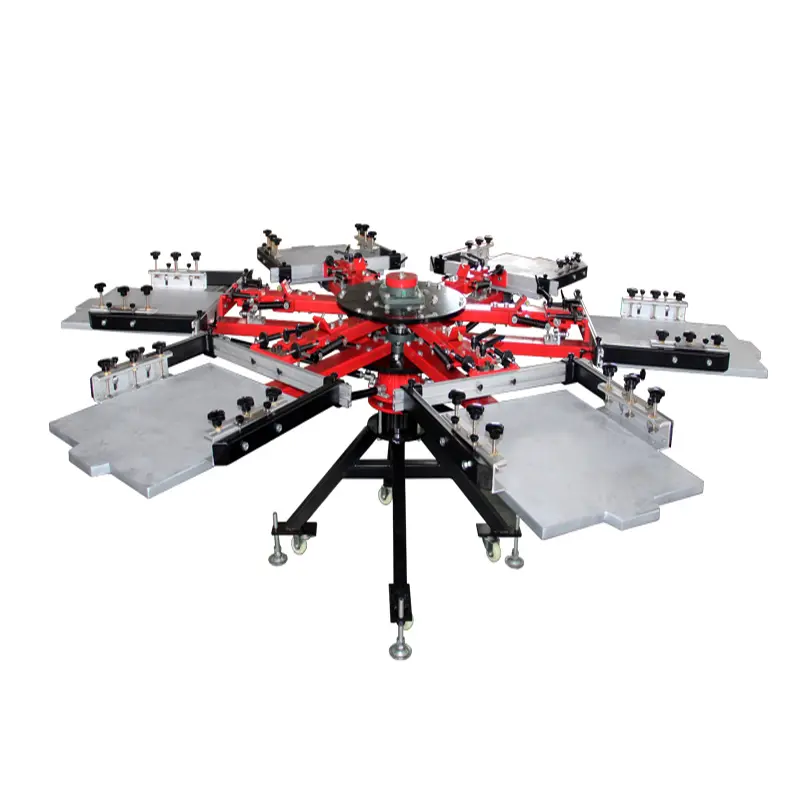
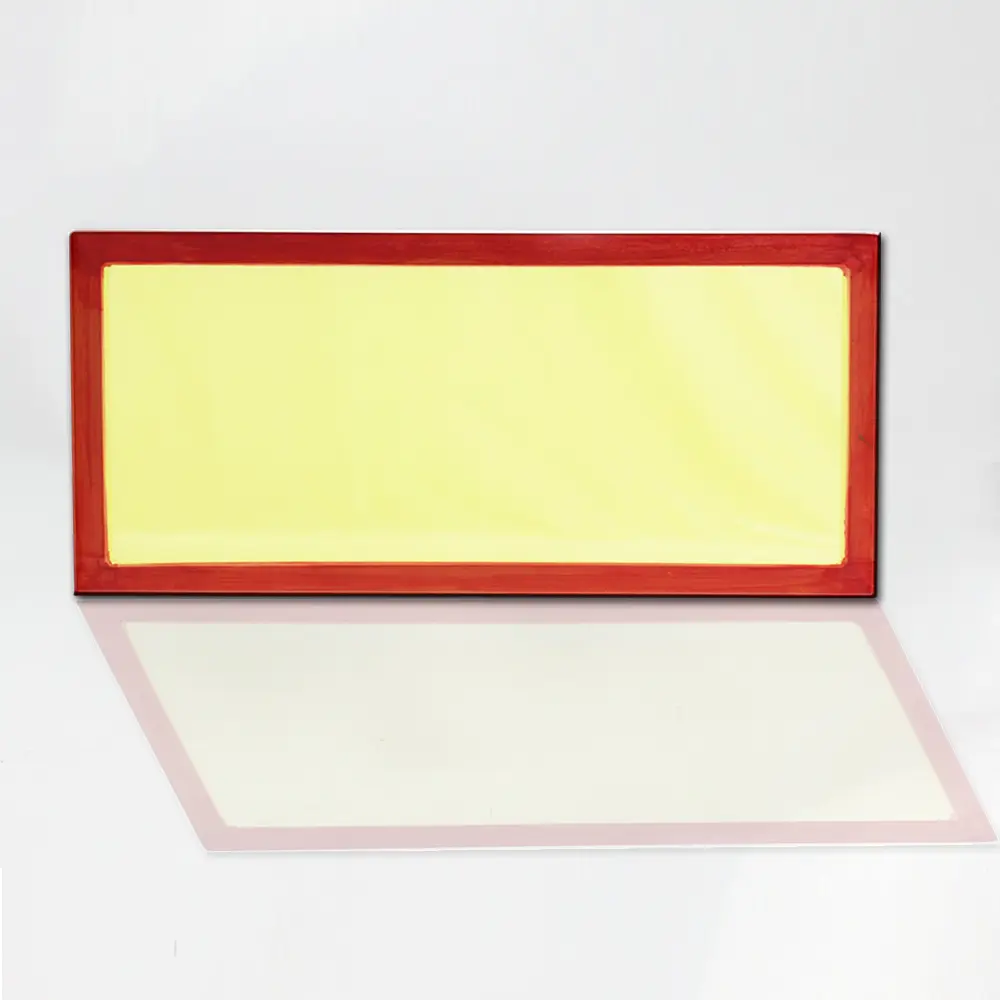
Despite the digital surge, traditional screen printing remains a cornerstone of the local industry for mass production. The demand for high-tension Screen Printing Frame units and precision-engineered Squeegee Rubber continues to grow as manufacturers optimize their lines for the European export market.
Evolution and Technical Trajectory

Tracing the journey from manual artisans to automated digital printing systems.

Market Development History

Historically, the Portuguese printing market relied heavily on manual screen printing from the 1980s through the early 2000s. During this era, the focus was on durability and bulk capacity, where the quality of the Squeegee Rubber determined the precision of the ink deposit on the fabric.

Around 2010-2015, the industry saw an influx of basic digital inkjet systems, but these often struggled with opacity on dark fabrics. This gap created a technical vacuum that was eventually filled by the emergence of Direct-to-Film (DTF) technology, introducing a new paradigm of "print-then-transfer."

By 2020, the integration of UV-curable inks led to the rise of the UV DTF Printing Machine, allowing Portuguese creators to apply durable, 3D-effect decals to hard surfaces and textiles without the need for traditional heat pressing in some applications.

Future Development Trends

Eco-Friendly Consumable Integration

Driven by EU environmental regulations, there is a strong shift toward water-based inks and biodegradable powder options to reduce the carbon footprint of Portuguese print shops.

Hybrid Production Workflows

Factories are increasingly combining traditional Screen Printing Frame techniques for base layers with DTF for detailed highlights to achieve cost-efficiency and high detail.

AI-Driven Color Management

Implementation of AI algorithms to automatically adjust ink density based on the fabric's absorbency, reducing waste and increasing first-pass yield.

Future Trends & Industry Outlook

Anticipating the next wave of innovation in the European printing landscape.

On-Demand Hyper-Personalization
Shift towards single-unit production using DTF technology to meet the "fast fashion" demand of Portuguese urban youth.
Sustainable Material Sourcing
Integration of organic substrates and non-toxic TPU powders to comply with strict EU REACH regulations.
Automation of Post-Processing
Implementation of automatic shaking and curing ovens to replace manual powdering in high-volume studios.
Cross-Industry Application
Expanding UV DTF usage into the Portuguese ceramics and cork industry for branding and decoration.

Industry Outlook

Based on Google search trends in Europe, the demand for "sustainable textile printing" and "small batch custom apparel" is rising exponentially. Portugal is poised to become a digital printing hub for the EU, leveraging its existing textile infrastructure with new-age digital tools.

The coming 3-5 years will see a convergence where the boundaries between screen printing and digital transfer blur, creating a unified "Hybrid Print" standard that maximizes both efficiency and artistic expression.

Localized Application Scenarios in Portugal

How our equipment solves real-world production challenges across various Portuguese sectors.

01. Lisbon Fashion Boutique Customization

Using a DTF Printing Machine to create high-detail, limited edition t-shirts for luxury boutiques in Chiado, allowing for rapid design iterations without screen costs.

02. Porto Industrial Workwear Branding

Applying durable corporate logos to heavy-duty uniforms using a combination of Screen Printing Frame for bulk base colors and DTF for complex multi-color emblems.

03. Algarve Tourism Merchandise

Utilizing UV DTF Printing Machine technology to print weather-resistant logos on beach accessories, water bottles, and promotional gifts for the summer tourist peak.

04. Madeira Artisanal Textile Workshops

Integrating precision Squeegee Rubber tools to maintain the high-quality standards of traditional embroidery-supplemented screen prints on linen fabrics.

05. Nationwide Sportswear Startups

Implementing a full DTF workflow with high-grade DTF Powder to produce stretchable, crack-resistant numbers and names for local football and surf club jerseys.

Brand Story

Global Development Journey of Shenzhen Jiame Screen Printing Equipment Co., Ltd.

Foundation of Excellence

Started as a specialized provider of screen printing consumables, focusing on the fundamental chemistry of ink and rubber to solve early printing inconsistencies.

Technological Pivot

Recognized the digital shift and invested in R&D to bridge the gap between traditional screens and the first generation of DTF systems.

Global Market Expansion

Expanded operations into Europe, tailoring equipment to meet the stringent quality and environmental standards of the EU market.

Innovation in UV-DTF

Developed the integrated UV-DTF ecosystem, solving the pain point of adhesion on non-porous surfaces for global industrial clients.

Vision for the Future

Committed to providing zero-waste printing solutions that empower small businesses in regions like Portugal to compete on a global scale.

Comprehensive Printing Equipment Portfolio for Portugal

A one-stop shop for all your digital and traditional screen printing needs, from consumables to heavy machinery.

Common Questions from Portuguese Print Shops

Expert answers to the most frequent technical queries in the region.

How does the UV DTF Printing Machine perform on Portuguese cork fabrics?

The UV DTF system is ideal for cork because it doesn't require high heat that could damage the organic material, providing a strong adhesive bond and vibrant colors.

What is the best DTF Powder for high-humidity environments like Porto?

We recommend our moisture-resistant TPU powder which prevents clumping and ensures a smooth melt during the curing process even in humid Atlantic climates.

Which Squeegee Rubber hardness is recommended for fine textile prints?

For high-detail fashion prints common in Lisbon's studios, a 70-75 Shore A hardness is typically best to ensure precise ink control without bleeding.

Can I use a DTF Printing Machine for small batch luxury garment production?

Yes, it is the perfect solution for luxury batches as it eliminates the need for expensive film positives and multiple screen setups for every color change.

How to maintain a Screen Printing Frame for long-term industrial use?

Regular tension checks and using high-quality degreasers are essential. Our aluminum frames are designed to resist warping in varied European temperature ranges.

What is the difference between standard DTF and UV DTF for apparel?

Standard DTF is heat-pressed into the fabric for a soft feel, while UV DTF creates a raised, glossy effect that is more durable for hard-surface accessories and promotional gear.

Ready to Upgrade Your Production?

Our technical team is ready to provide customized printing solutions for your business in Portugal.

Contact Us Now

If you are interested in our products, you can choose to leave your information here, and we will be in touch with you shortly.