Unlock Vibrant Apparel Customization with Advanced DTF Printer Technology
Unlock Vibrant Apparel Customization with Advanced DTF Printer Technology
Understanding DTF Printers: A Comprehensive Guide
Direct-to-Film (DTF) printing is revolutionizing the apparel customization landscape. This innovative method allows for vibrant, durable prints on a wide range of fabrics, offering a compelling alternative to traditional screen printing and heat transfer vinyl. If you're looking to start or expand a custom apparel business, understanding DTF printers is crucial. This article will provide an in-depth look at DTF technology, its benefits, key considerations when choosing a printer, and how it compares to other printing methods. We’ll also explore the growing demand for DTF printing in the modern market.
What is a DTF Printer and How Does it Work?
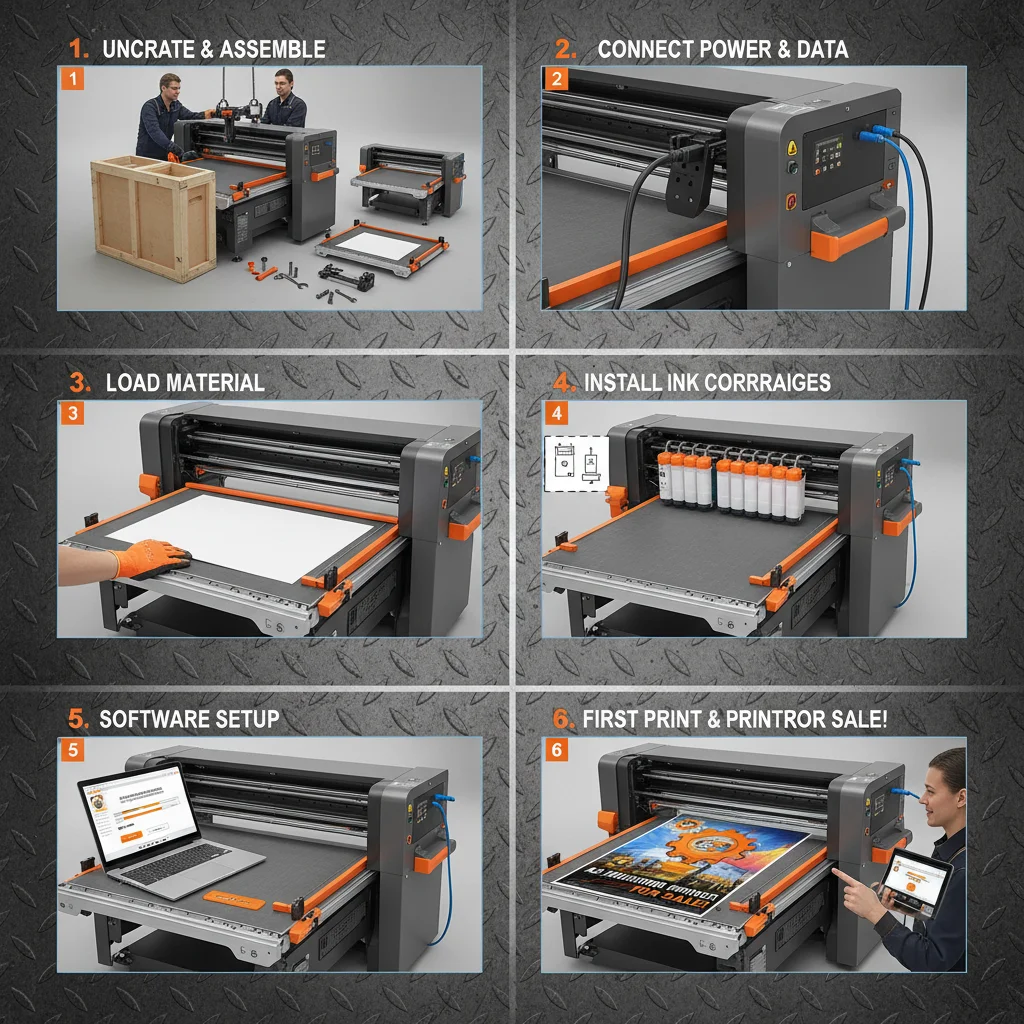
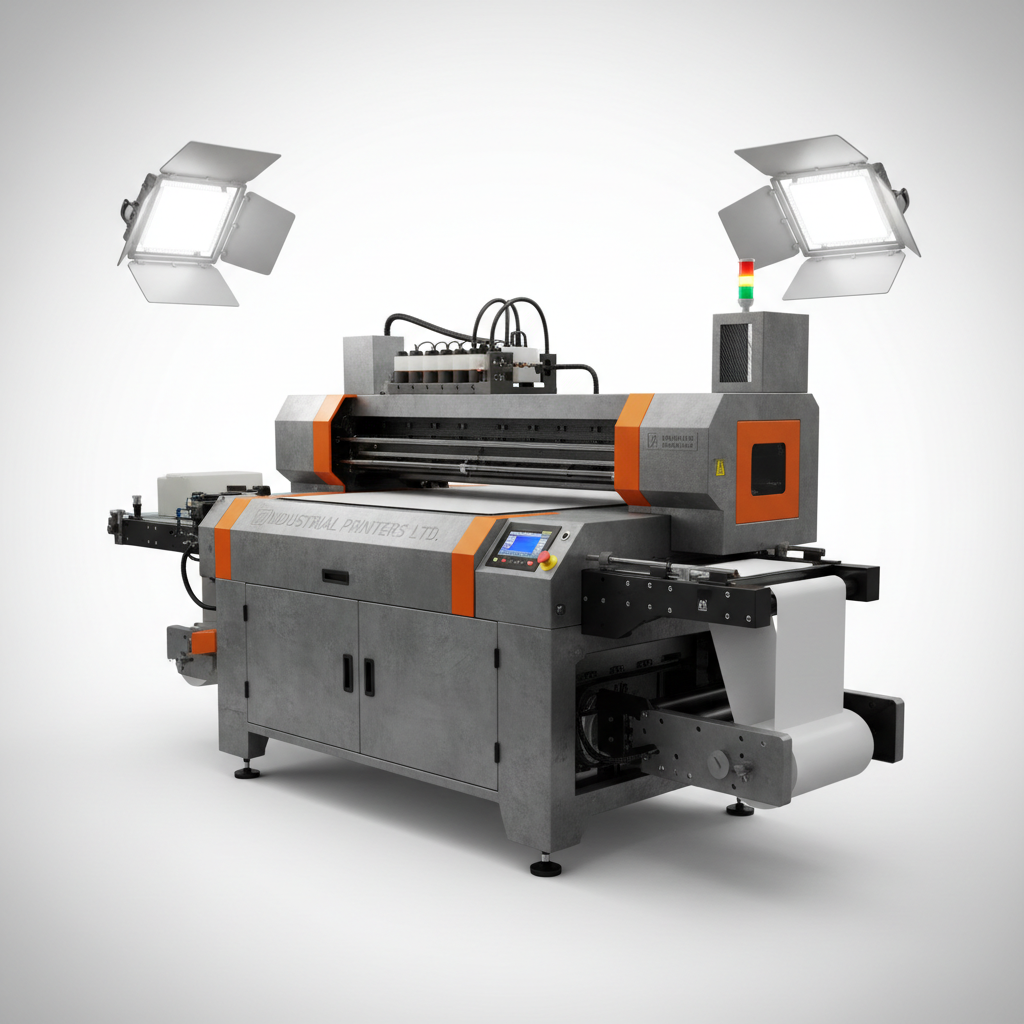
A DTF printer essentially prints your design onto a special PET film. This film is then coated with a powdered adhesive, and finally, the design is heat-pressed onto the garment. Unlike Direct-to-Garment (DTG) printing, DTF doesn’t require pre-treatment of the fabric, making it suitable for a wider array of materials like polyester, cotton, blends, and even nylon. The process is relatively simple, making it accessible for businesses of all sizes. The ink used in DTF printing is specially formulated for flexibility and washability, resulting in long-lasting prints. For more information on available DTF printers, visit Silkscreen Printing Supply.
Key Highlights: DTF printing doesn't require pre-treatment, is suitable for a wide range of fabrics, and produces durable, washable prints.
Choosing the Right DTF Printer: Key Considerations
Selecting the right DTF printer depends on your production volume, budget, and specific needs. Here are some key factors to consider: Print Head Type: Epson print heads are common and offer good performance. Ink System: Look for printers compatible with high-quality DTF inks. Film Handling: Consider the printer’s ability to handle different film widths and thicknesses. RIP Software: A reliable Raster Image Processor (RIP) software is essential for accurate color management and print optimization. Support and Warranty: Ensure the manufacturer offers robust technical support and a comprehensive warranty. Exploring the DTF printer options at Silkscreen Printing Supply can help you navigate these choices.
Essential Features to Look For:
• High-quality Epson print heads
• Compatible with DTF inks
• Reliable RIP software
• Comprehensive warranty & support
DTF Printer vs. Other Printing Methods: A Comparative Analysis
DTF printing stands out when compared to other popular methods. Here's a breakdown: DTF vs. DTG: DTG requires pre-treating garments, which adds time and cost. DTF can print on more fabric types without pre-treatment. DTF vs. Screen Printing: Screen printing is best for large quantities, while DTF excels at short runs and intricate designs. DTF vs. Heat Transfer Vinyl (HTV): HTV is labor-intensive, requiring manual weeding. DTF is fully digital, offering greater efficiency and detail. The ease of use and versatility of DTF printers are quickly making them a favorite among custom apparel businesses.
The Growing Demand for DTF Printing
The demand for customized apparel is consistently growing, driven by trends like personalized fashion and on-demand manufacturing. DTF printing is well-positioned to meet this demand due to its versatility, efficiency, and cost-effectiveness. Businesses are increasingly adopting DTF technology to offer a wider range of customization options and reduce production turnaround times. This makes it an attractive investment for both startups and established apparel companies. Silkscreen Printing Supply offers solutions to help you capitalize on this growing market.
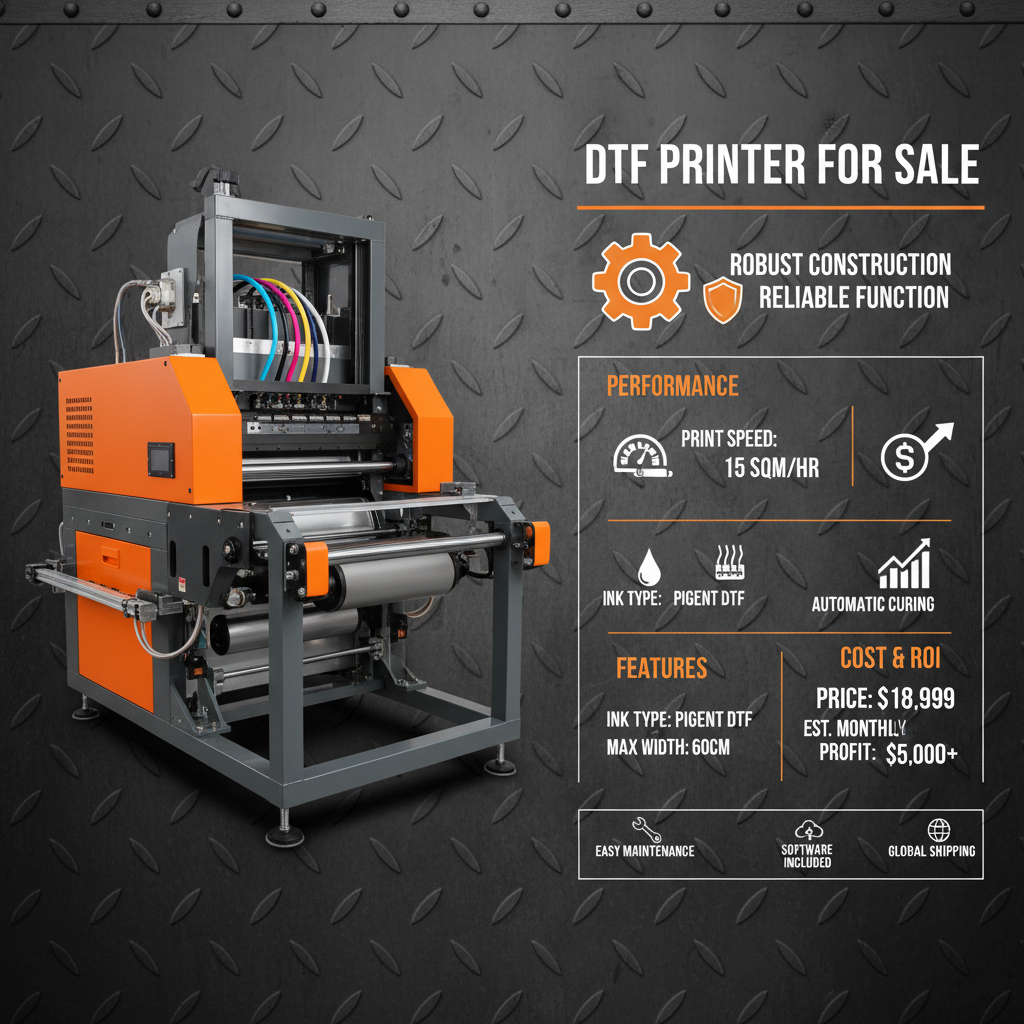
DTF Printer Specifications: What to Expect
Here’s a breakdown of typical DTF printer specifications:
Conclusion: Embracing the Future of Apparel Printing with DTF
Investing in a DTF printer is a strategic move for businesses looking to stay ahead in the competitive apparel industry. Its versatility, efficiency, and ability to deliver high-quality prints make it an invaluable asset. Explore the options at Silkscreen Printing Supply to find the perfect DTF solution for your needs.
Frequently Asked Questions (FAQs)
What materials can I print on with a DTF printer?
DTF printing is incredibly versatile! You can print on cotton, polyester, blends, nylon, leather, and even some performance fabrics. This broad compatibility is a significant advantage over other methods like DTG, which are more limited in fabric choice. Because the ink adheres to the film first, the fabric composition is less critical. However, it's always recommended to test a small area first to ensure optimal adhesion and washability.
How durable are DTF prints?
DTF prints are remarkably durable when properly applied and cured. They typically withstand 50+ washes without significant fading or cracking. The quality of the ink, adhesive powder, and the heat pressing process all contribute to the print’s longevity. To maximize durability, follow the manufacturer's recommendations for washing instructions. Avoid harsh detergents and excessive heat.
What is the learning curve for DTF printing?
The learning curve for DTF printing is generally considered moderate. While it requires understanding of software and some trial-and-error to perfect the process, it's significantly less complex than screen printing. The main aspects to learn are film handling, adhesive powder application, and heat pressing techniques. Resources like tutorials and support from vendors like Silkscreen Printing Supply can accelerate the learning process.
What are the ongoing costs associated with DTF printing?
Beyond the initial investment in the printer, ongoing costs include DTF inks, adhesive powder, PET film, cleaning solutions, and maintenance. The cost per print varies depending on ink coverage, print size, and material costs. However, DTF printing is generally cost-effective, especially for small to medium-sized production runs, compared to other methods.