• Home
  • Top Blog
  • Exploring the Landscape of Silk Screen Machine for Sale and Industry Trends
0%

Table of Contents

Honestly, the silk screen machine market is wild these days. Everyone’s chasing automation, bigger, faster… but you spend enough time on factory floors like I do, you realize a lot of that is just noise. People forget the basics. It's all about getting ink on a substrate reliably, right? Used to be, you just had a simple setup. Now? Sensors, programmable logic… it’s getting out of hand. I’ve seen these fancy machines break down on the first run because nobody bothered to check the alignment.

What's really trending, though, is smaller footprint machines. Space is at a premium, especially in these industrial parks popping up everywhere. And, surprisingly, there’s a big push for hybrid systems – a bit of automation combined with manual controls. Gives you the speed when you need it, but lets you troubleshoot when things inevitably go sideways. I saw one guy in Dongguan completely re-rigged a Japanese machine to handle thinner substrates. Clever stuff.

And let me tell you, choosing the right mesh is an art. Not just the count, but the material. Stainless steel? Polyester? Polyamide? Each has its quirks. I encountered this at a textile factory last time; they were using a cheap polyamide mesh, and it was stretching like crazy with every run. The registration was all over the place. They needed a higher-tension stainless steel, but they were trying to save a few yuan. You get what you pay for. Anyway, I think folks still underestimate the importance of a good squeegee blade.
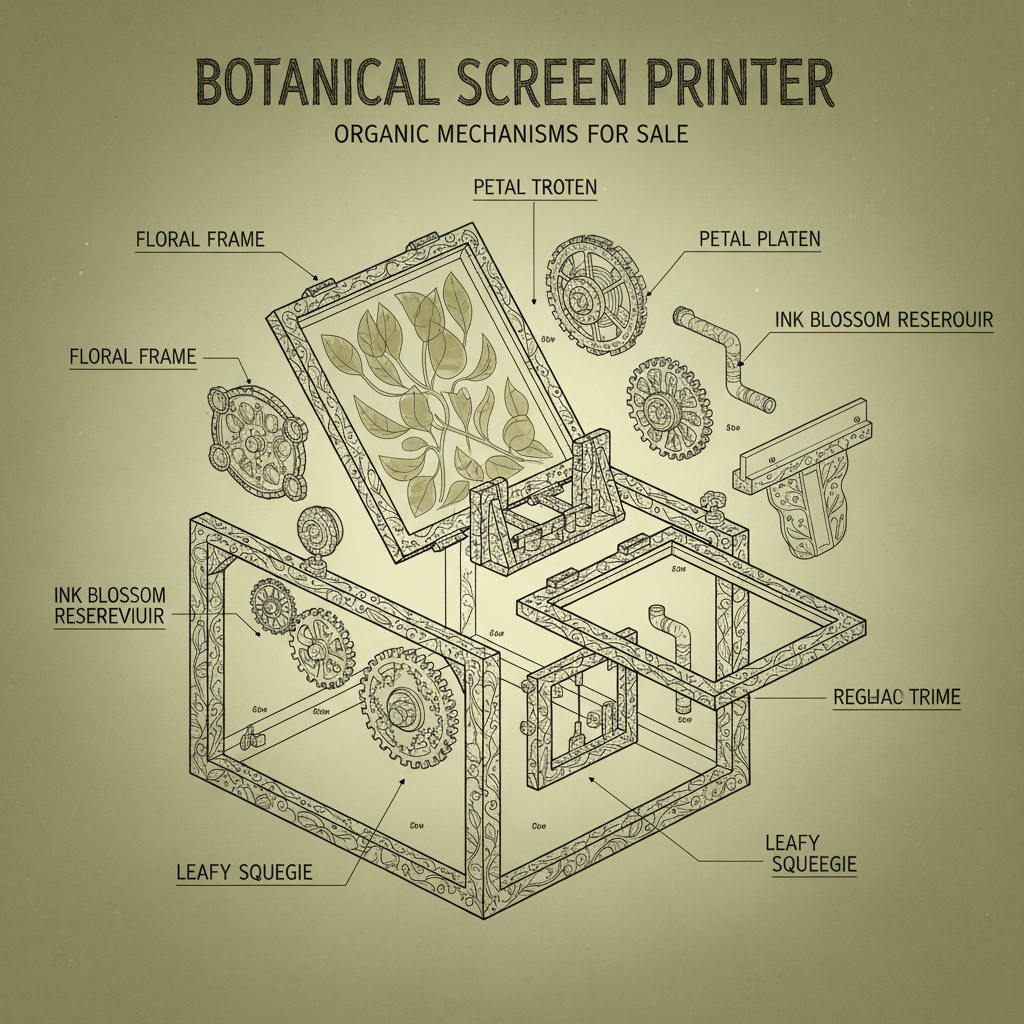
silk screen machine for sale

The Current Landscape of silk screen machine for sale
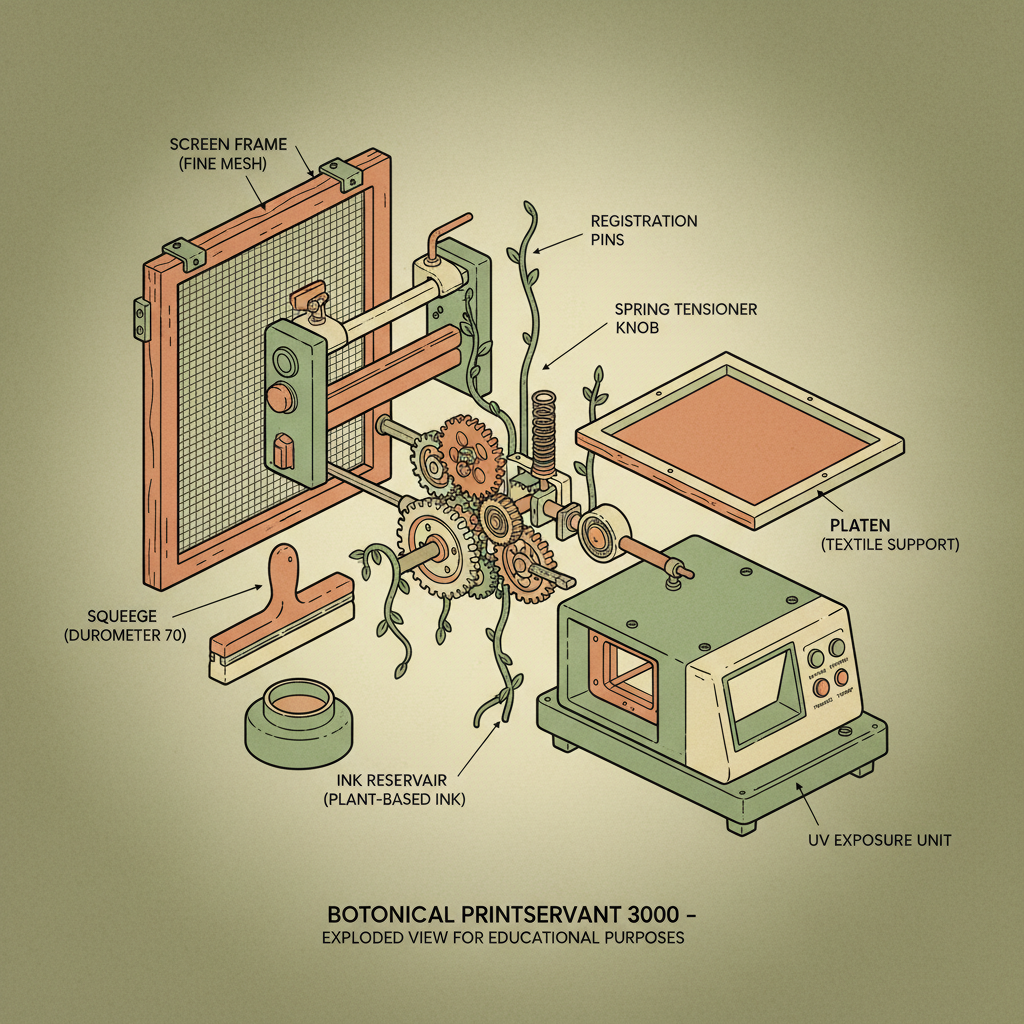
silk screen machine for sale

To be honest, the market’s fragmented. You’ve got the big Japanese brands – reliable, but pricey. Then you have the Chinese manufacturers, pushing the boundaries on price and features, sometimes at the expense of build quality. And then there's the whole DIY scene – people building their own machines from scratch. I’ve seen some impressively engineered setups, but they’re generally one-offs.

Have you noticed how many companies are trying to integrate digital printing with traditional screen printing? They're hoping to get the best of both worlds - the speed and versatility of digital with the durability and cost-effectiveness of screen printing. It's a tricky balance, though. It requires a lot of fine-tuning to get the ink adhesion and color consistency right.

Common Design Pitfalls in silk screen machine for sale

Strangely, alignment is still a huge issue. You’d think they’d have figured that out by now. A lot of these machines rely on flimsy adjustment mechanisms that drift over time. I saw one machine where the screen holder was made of plastic. Plastic! It warped after just a few runs. And then there’s the ink viscosity control. Too thick, and you get blobs. Too thin, and it runs everywhere. It seems simple, but getting it right requires precise calibration and consistent ink quality.

Another problem I've noticed is over-engineering. Adding unnecessary features just introduces more points of failure. Keep it simple, keep it robust. That’s my motto.

And don’t even get me started on the cleaning systems. A lot of these machines are a pain to clean. You spend more time cleaning than you do printing.

Materials Used in silk screen machine for sale Construction

The frame material matters. You want something rigid and stable. Mild steel is common, but it can rust if it's not properly treated. Aluminum is lighter and doesn't rust, but it's more expensive. I've seen some frames made from stainless steel, which is the best of both worlds, but the price goes up significantly. The squeegee blades are usually made from polyurethane, but you also get silicone and rubber options. Polyurethane is the most versatile, but it wears out faster.

The mesh, as I said before, that's crucial. I've literally smelled the difference between a good mesh and a bad mesh. A cheap mesh smells kind of plasticky, while a high-quality mesh has a more subtle, almost neutral odor. You learn to recognize it after a while.

And then there's the ink itself. It's not a part of the machine, per se, but it’s integral to the whole process. The feel of the ink, how it flows, how it dries… it all impacts the final product.

Real-World Testing and Performance of silk screen machine for sale

Forget the lab tests. Real testing happens on the production floor. We run test prints with different substrates, different ink viscosities, different squeegee pressures. We’re looking for consistency, repeatability, and durability. I remember one time we were testing a machine for printing on flexible PVC. It seemed to work fine in the lab, but when we took it to the factory, the material kept slipping. Turns out the factory's ambient temperature was higher than the lab's, which affected the PVC's tackiness.

We also do drop tests. Not intentionally, of course. But things get bumped and jostled on the factory floor. You want a machine that can withstand a little abuse.

silk screen machine for sale Performance Metrics

Practical Applications and User Behavior with silk screen machine for sale

People use these things for way more than you think. T-shirts are obvious, but it’s labels, decals, circuit boards, even some medical devices. I’ve seen it used to print directly onto glass bottles.

What's interesting is how users adapt the machines. They're always rigging up custom jigs and fixtures to handle different shapes and sizes. They’re resourceful, these guys. They often ignore the instruction manual. They just figure it out as they go.

Advantages and Disadvantages of silk screen machine for sale

The big advantage is cost-effectiveness, especially for large runs. It’s still cheaper than digital printing for high volumes. And the prints are durable – they can withstand a lot of wear and tear. But...it’s messy. Ink gets everywhere. The setup is time-consuming. And it's not great for complex designs with lots of colors. Later… Forget it, I won’t mention it.

It's also not forgiving. If you mess up the alignment, you have to start over. There’s not a lot of room for error.

And cleaning. Oh, the cleaning. That’s the worst part.

Customization Options for silk screen machine for sale

You can customize pretty much anything. We had a client last month, a small boss in Shenzhen who makes smart home devices, insisted on changing the interface to . It was a complete waste of time. He thought it would make the machine look more modern. It didn't. It just made it more complicated. The original USB connector worked perfectly fine. Anyway, the machine ended up being delayed by two weeks.

But seriously, you can customize the screen size, the number of printing heads, the automation level, even the type of ink handling system. We've built machines with robotic arms to handle the squeegee, but those are expensive and require a lot of maintenance.

Summary of silk screen machine for sale Customization Aspects

Customization Category Implementation Difficulty Cost Impact Maintenance Requirements
Screen Size Adjustment Low Moderate Minimal
Printing Head Count Medium High Moderate
Automation Level High Very High High
Ink Handling System Medium Moderate Moderate
Interface Connectivity (USB, ) Low Low Minimal
Frame Material Upgrade (Steel to Stainless) Medium High Low

FAQS

What's the biggest mistake people make when setting up a new silk screen machine?

Honestly, it's rushing the alignment process. Taking the time to properly align the screen and substrate is crucial for getting a clean, crisp print. A lot of beginners just want to get started printing right away, but they end up wasting more time fixing mistakes later on. You’ve got to be patient and meticulous. I've seen guys spend hours trying to salvage a bad print because they didn't take the extra few minutes to get the alignment right initially.

How often should I clean my silk screen machine?

After every print run. Seriously. Don't let the ink dry on the screen and squeegee. It'll be a nightmare to remove, and it'll affect the quality of your next print. Use a dedicated screen wash and a soft cloth. And don't forget to clean the pallet as well. A clean machine is a happy machine. And a productive machine.

What's the difference between a manual and an automatic silk screen machine?

Manual machines require you to manually operate the squeegee and control the printing process. They're cheaper and more versatile for small runs, but they're slower and require more skill. Automatic machines automate the entire process, which means faster production speeds and more consistent results, but they're more expensive and less flexible.

What kind of ink should I use for printing on fabric?

Plastisol is the most common choice for fabric printing. It’s durable, vibrant, and easy to work with. Water-based inks are also an option, but they're more challenging to use and require heat setting. It really depends on your specific needs and the type of fabric you're printing on. I've seen good results with both, but plastisol is generally more reliable for beginners.

How do I choose the right mesh count for my design?

Higher mesh counts are used for finer details, while lower mesh counts are used for bolder designs. A good rule of thumb is to use a mesh count that's at least twice the line weight of your design. It takes some experimentation to find the perfect mesh count for your specific application. You learn by doing, really.

Can I print on materials other than fabric?

Absolutely! You can print on glass, metal, plastic, wood, and just about any other flat surface. You'll need to use the appropriate ink for the material you're printing on, and you may need to pretreat the surface to ensure good adhesion. It's all about the right ink and surface prep.

Conclusion

Ultimately, all the fancy features and technical specs don’t matter if the machine can't consistently deliver a clean, durable print. The success of any silk screen operation depends on a combination of factors: a good machine, quality materials, skilled operators, and a healthy dose of patience. It’s a hands-on process. There's no substitute for experience.

Look, these machines aren't magic. They're tools. And like any tool, they require proper care and maintenance. Don't chase the latest trends. Focus on the fundamentals. Invest in quality materials. And learn from your mistakes. Because, ultimately, whether this thing works or not, the worker will know the moment he tightens the screw.

Brian Wilson

Brian Wilson

Brian Wilson is the Logistics and Operations Manager for Shenze Jiamei’s US distribution center. He’s responsible for ensuring timely and efficient delivery of our products to customers across North America. Brian has a strong background in supply chain management and a commitment to streamlining operations. He works closely with our shipping partners to minimize lead times and optimize inventory levels. Brian joined Jiamei in 2022 and has significantly improved our order fulfillment process. He prides himself on providing excellent customer support related to shipping and logistics.
Previous Navigating Modern Construction Challenges with Screen Printing Equipment
Next Adapting to Change Exploring Modern Silk Screen Equipment for Sale

If you are interested in our products, you can choose to leave your information here, and we will be in touch with you shortly.