• Home
  • Global Service
  • Advanced Printing Solutions for Belarus Mastering UV DTF Printing Machine Efficiency

Advanced Printing Solutions for Belarus: Mastering UV DTF Printing Machine Efficiency

Empowering Belarusian manufacturers with high-precision screen printing equipment and digital transfer technologies to enhance industrial productivity.

Advanced Printing Solutions for Belarus: Mastering UV DTF Printing Machine Efficiency

Providing a comprehensive ecosystem of printing tools, from professional-grade Screen Printing Frame systems to cutting-edge digital DTF hardware tailored for the Eastern European market.

Analyzing the Printing Equipment Landscape in Belarus

Adapting industrial printing standards to the specific economic and climatic conditions of the Belarus region.

The manufacturing sector in Belarus is currently characterized by a transition from heavy Soviet-era industrialism to agile, small-to-medium enterprise (SME) models. In the textile and branding industry, there is a significant surge in demand for DTF Printing Machine technology due to its ability to handle small batches with high complexity without the overhead of traditional setups.

Geographically, the continental climate of Belarus, with its high humidity in autumn and extreme cold in winter, poses challenges for ink viscosity and adhesive curing. This makes the quality of DTF Powder critical, as only high-stability polymers can ensure wash-fastness and elasticity under varying temperature fluctuations prevalent in Minsk and Gomel.

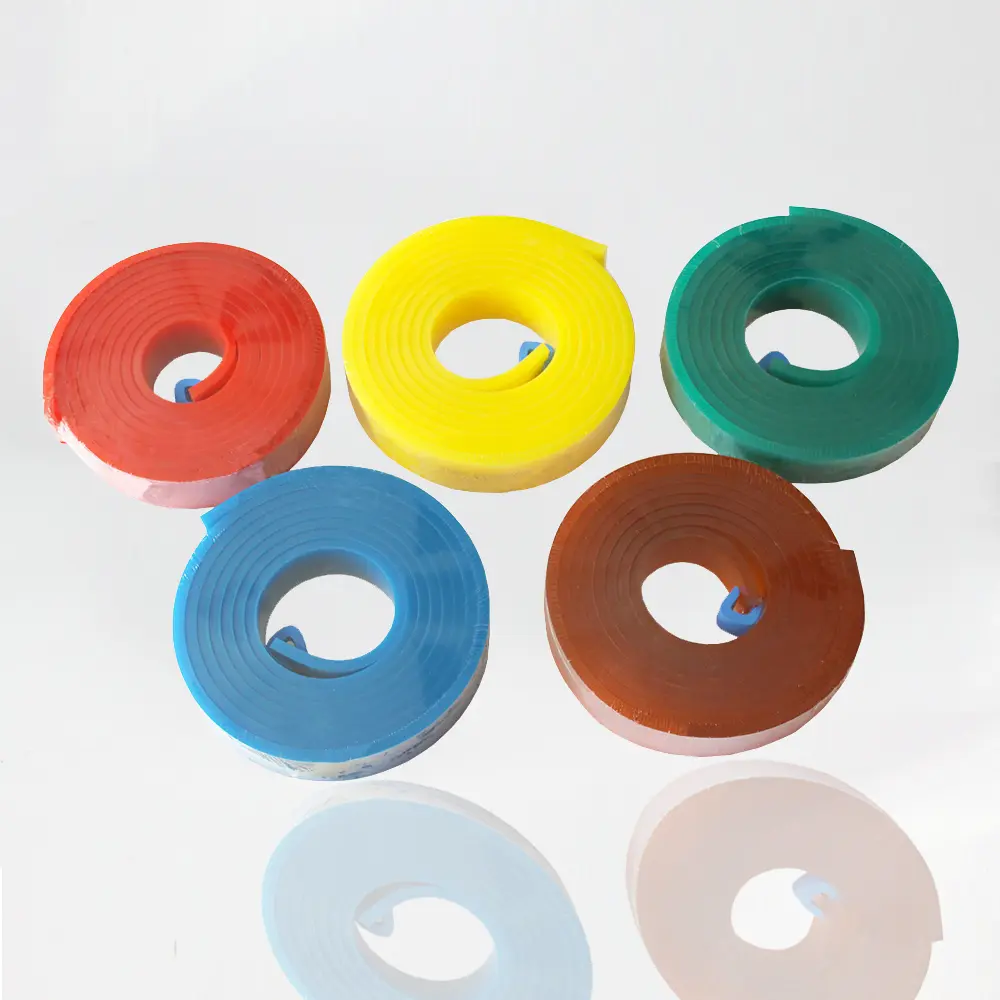
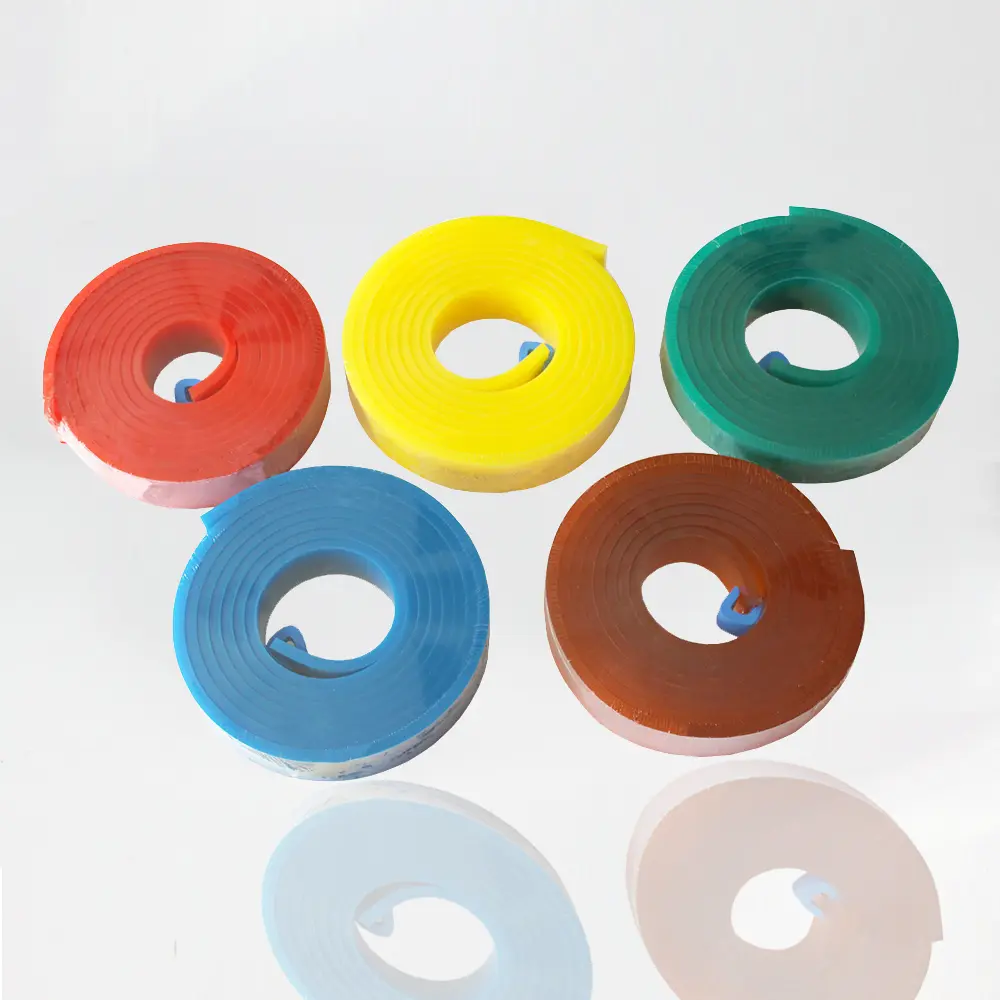
Furthermore, the local market still relies heavily on traditional screen printing for large-scale industrial signage and apparel. The demand for durable Squeegee Rubber that can withstand abrasive industrial inks is high, as local workshops seek to reduce downtime and material waste in their production cycles.
Evolution of Printing Technology in Belarus

From traditional manual presses to fully automated digital transfer ecosystems.

Market Development History

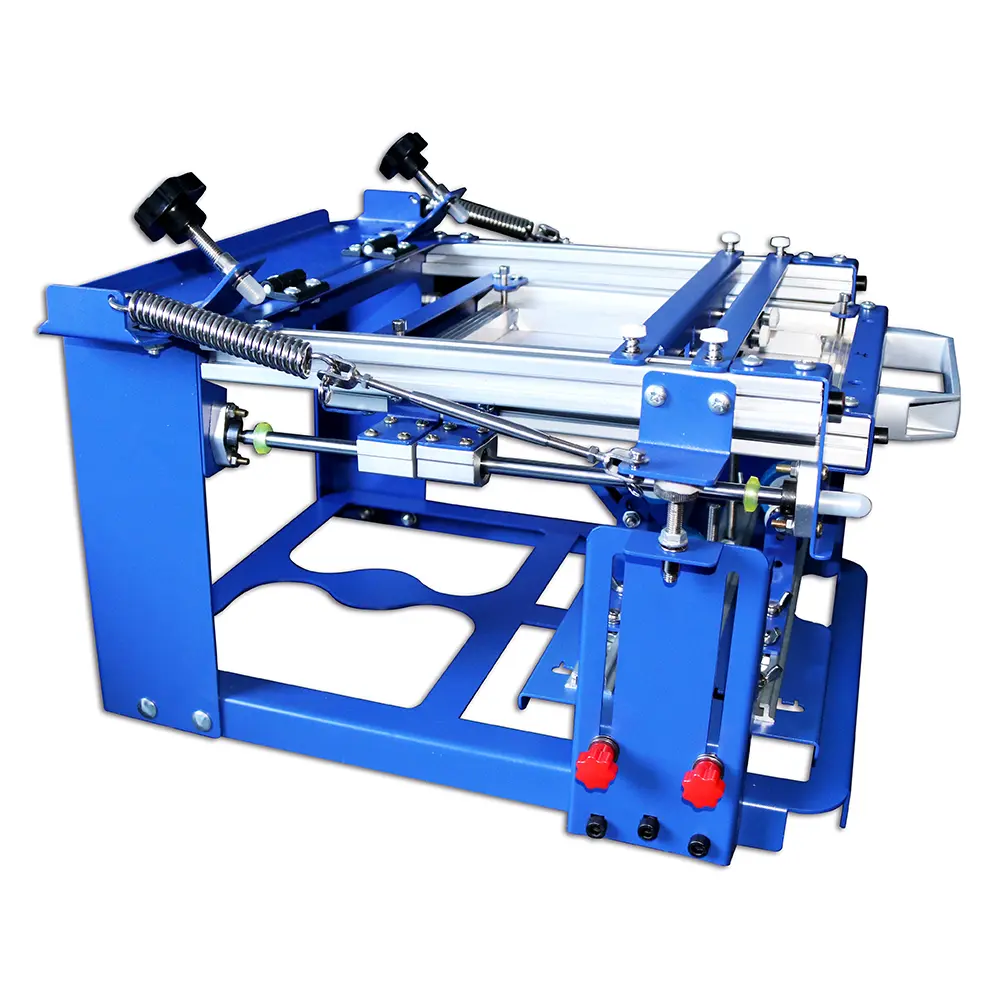
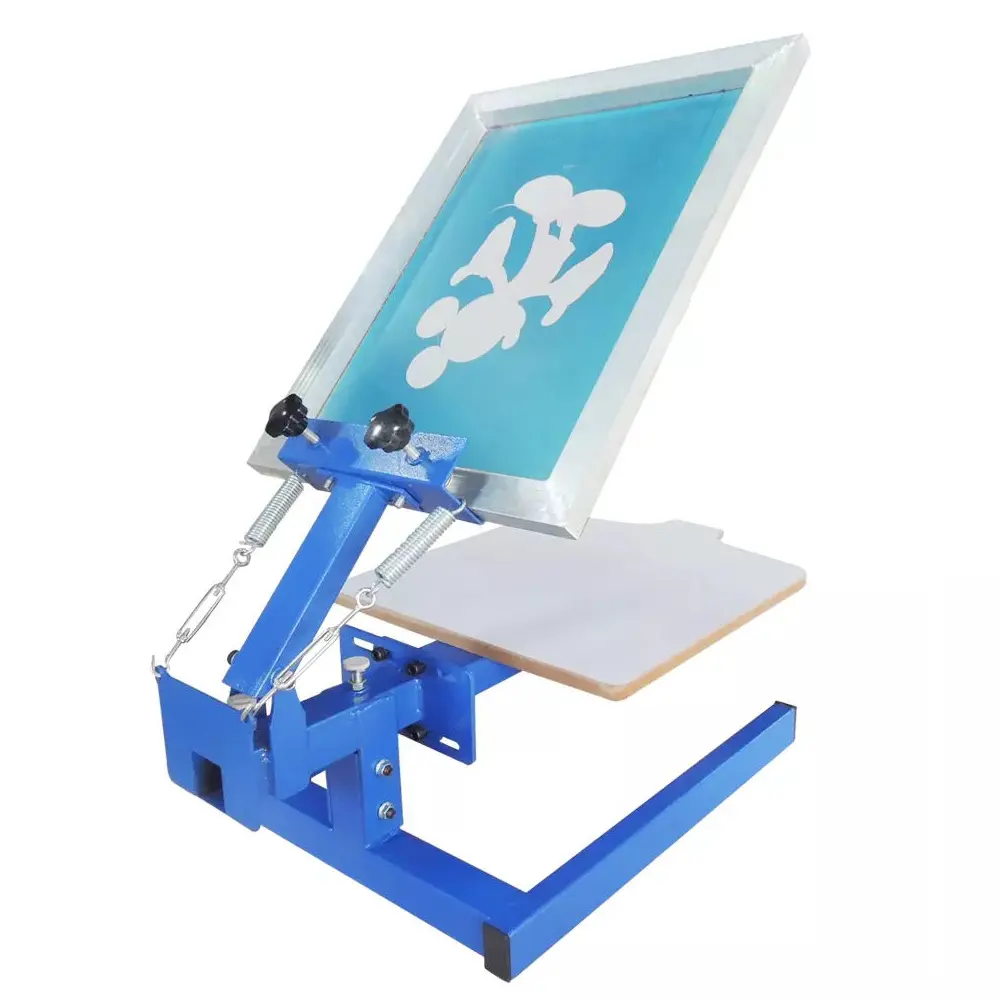
Between 1990 and 2010, the Belarusian market was dominated by manual screen printing. The core of production rested on the Screen Printing Frame, where artisans relied on hand-cut stencils and basic rubber blades. Efficiency was low, but durability was the primary focus for industrial uniforms.

From 2011 to 2018, we observed a "Hybrid Era." Workshops began integrating early digital plotters with traditional screens. The introduction of refined Squeegee Rubber compounds allowed for higher precision and thinner ink deposits, enabling more detailed graphic designs on textiles.

Since 2019, a digital revolution has hit the region. The rapid adoption of DTF (Direct to Film) technology has bypassed the need for complex emulsion processes, allowing local businesses to scale rapidly by utilizing a DTF Printing Machine for instant, high-quality transfers on diverse substrates.

Future Development Trends

Eco-Friendly Ink Integration

Driven by European environmental standards, Belarus is shifting toward water-based and biodegradable ink systems to reduce volatile organic compound (VOC) emissions.

Automation of Powder Application

The manual shaking of DTF Powder is being replaced by automatic powdering and shaking units to ensure uniform coating and reduce waste.

Hybrid UV-Digital Integration

The integration of UV curing technology is becoming standard, with the UV DTF Printing Machine providing a versatile solution for hard-surface branding without the need for traditional curing ovens.

Strategic Outlook for Printing Manufacturing

Predicting the trajectory of the printing equipment industry over the next 3-5 years.

AI-Driven Color Calibration
Implementation of AI to automatically adjust ink flow and color profiles based on substrate porosity.
High-Elasticity Polymers
Development of next-gen adhesive powders that offer 200% more stretch for sportswear.
Modular Hardware Design
Shift toward modular printing heads that can be swapped between DTF and UV modes effortlessly.
Smart Inventory Tracking
IoT integration for consumables tracking, predicting powder and ink depletion in real-time.

Industry Outlook

Based on Google search trends in the CIS region, there is a marked increase in queries for "on-demand personalization." This indicates that the future of printing in Belarus is not in mass production, but in highly customizable, rapid-turnaround services. The convergence of digital DTF and UV printing will allow a single shop to handle everything from t-shirts to acrylic awards.

We expect the market to move toward a "Zero-Waste" philosophy. This will drive innovation in precision-coated Squeegee Rubber and recyclable film substrates, ensuring that the Belarusian printing industry remains competitive and sustainable within the larger European economic framework.

Local Application Scenarios in Belarus

Real-world implementations of printing technology across various Belarusian industries.

1. Minsk Fashion Startups

Local designers are utilizing the DTF Printing Machine to produce limited edition streetwear collections without the need for expensive screen setups for every single design.

2. Industrial Labeling in Soligorsk

Mining and chemical plants use the UV DTF Printing Machine to create durable, weather-resistant labels for heavy machinery that withstand extreme temperatures and chemical exposure.

3. Corporate Merchandising in Brest

Promotion agencies use a combination of Screen Printing Frame and digital transfers to create high-volume corporate gifts, balancing cost and detail.

4. Sportswear Manufacturing in Vitebsk

Factories specializing in athletic wear rely on premium DTF Powder to ensure that logos on polyester jerseys do not crack during intense athletic movement.

5. Traditional Textile Art Workshops

Artisans blending traditional Belarusian patterns with modern techniques use high-precision Squeegee Rubber to maintain the integrity of fine lines in manual screen prints.

Brand Story

Global Development Journey of Shenze County Jamei Printing Materials Co., Ltd.

Foundational Excellence

Started with a focus on the fundamental tools of the trade, perfecting the chemistry of rubber and mesh to solve the most basic durability issues in screen printing.

Technological Pivot

Recognizing the digital shift, we expanded our R&D into DTF and UV technologies, bridging the gap between manual craft and digital automation.

Global Market Expansion

Establishing logistics networks to serve Eastern Europe, ensuring that manufacturers in Belarus have direct access to professional-grade consumables.

Quality Standardization

Implementing rigorous ISO standards to ensure every piece of equipment meets the demanding requirements of industrial-scale manufacturing.

Future-Proofing Printing

Our current mission is to integrate sustainable materials into every product line, reducing the environmental footprint of the global printing industry.

Comprehensive Printing Equipment Portfolio for Belarus

A curated selection of hardware and consumables designed for maximum uptime and superior output quality.

Common Printing Industry Questions in Belarus

Technical guidance and troubleshooting for local printing professionals.

How to maintain a DTF Printing Machine in high-humidity Belarus summers?

It is recommended to use a dehumidifier in the printing room to maintain humidity between 40-60%, which prevents ink clumping and ensures the DTF powder adheres uniformly to the film.

What is the best Squeegee Rubber hardness for industrial polyester fabrics?

For polyester fabrics common in Belarus industrial uniforms, a medium-to-hard durometer (70-80 Shore A) is ideal to ensure sharp edges and consistent ink deposit.

Can a UV DTF Printing Machine replace traditional screen printing for small signs?

Yes, for small to medium runs, UV DTF is far more efficient as it eliminates the need for a Screen Printing Frame and emulsion, offering instant curing and high durability.

Why does my DTF Powder not melt evenly during the curing process?

This is often due to uneven heat distribution in the oven. Ensure your curing equipment is calibrated and that the powder is applied in a consistent layer across the entire image.

How often should I replace the mesh in my Screen Printing Frame?

Depending on the ink acidity and volume, frames should be re-tensioned or replaced every 50,000 to 100,000 impressions to avoid registration errors.

Which DTF Printing Machine is best for a startup in Minsk?

For startups, a compact A3 or 60cm integrated DTF system is recommended, as it combines printing and powdering in one footprint, reducing initial capital expenditure.

Partner with the Experts in Printing Equipment

Ready to upgrade your production facility in Belarus? Our technical team is here to provide customized hardware configurations and consumable supply chains.

Contact Us Now

If you are interested in our products, you can choose to leave your information here, and we will be in touch with you shortly.