• Home
  • Global Service
  • Advanced Printing Solutions for South Korea Empowering UV DTF Printing Machine Productivity

Advanced Printing Solutions for South Korea: Empowering UV DTF Printing Machine Productivity

Integrating precision engineering and cutting-edge digital transfer technology to redefine the Korean textile and industrial marking landscape.

Advanced Printing Solutions for South Korea: Empowering UV DTF Printing Machine Productivity

Providing a comprehensive ecosystem of high-performance printing equipment and consumables tailored for the rigorous quality standards of the South Korean manufacturing sector.

Analyzing the Industrial Printing Landscape in South Korea

How the "K-Manufacturing" spirit is driving the transition toward automated digital printing.

South Korea's printing industry is currently characterized by a high demand for extreme precision and rapid turnaround times, driven by the fast-paced fashion trends in Seoul and the stringent requirements of the electronics sector. The adoption of the DTF Printing Machine has surged as local businesses seek to move away from the high setup costs of traditional methods while maintaining industrial-grade durability.

Economically, the shift toward "Small Batch, High Variety" production is evident. Local workshops are increasingly integrating DTF Powder that meets strict environmental regulations, ensuring that the heat-transfer process is both efficient and eco-friendly to comply with South Korea's green manufacturing initiatives.

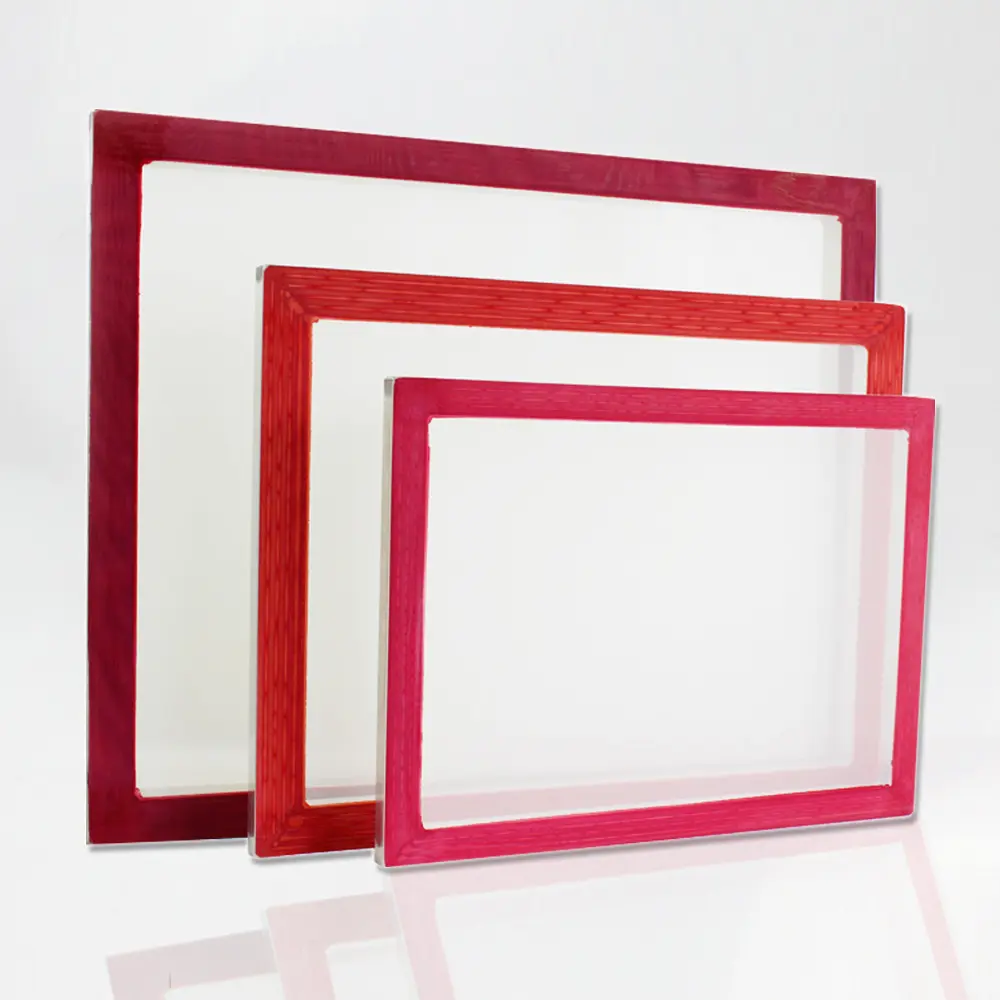
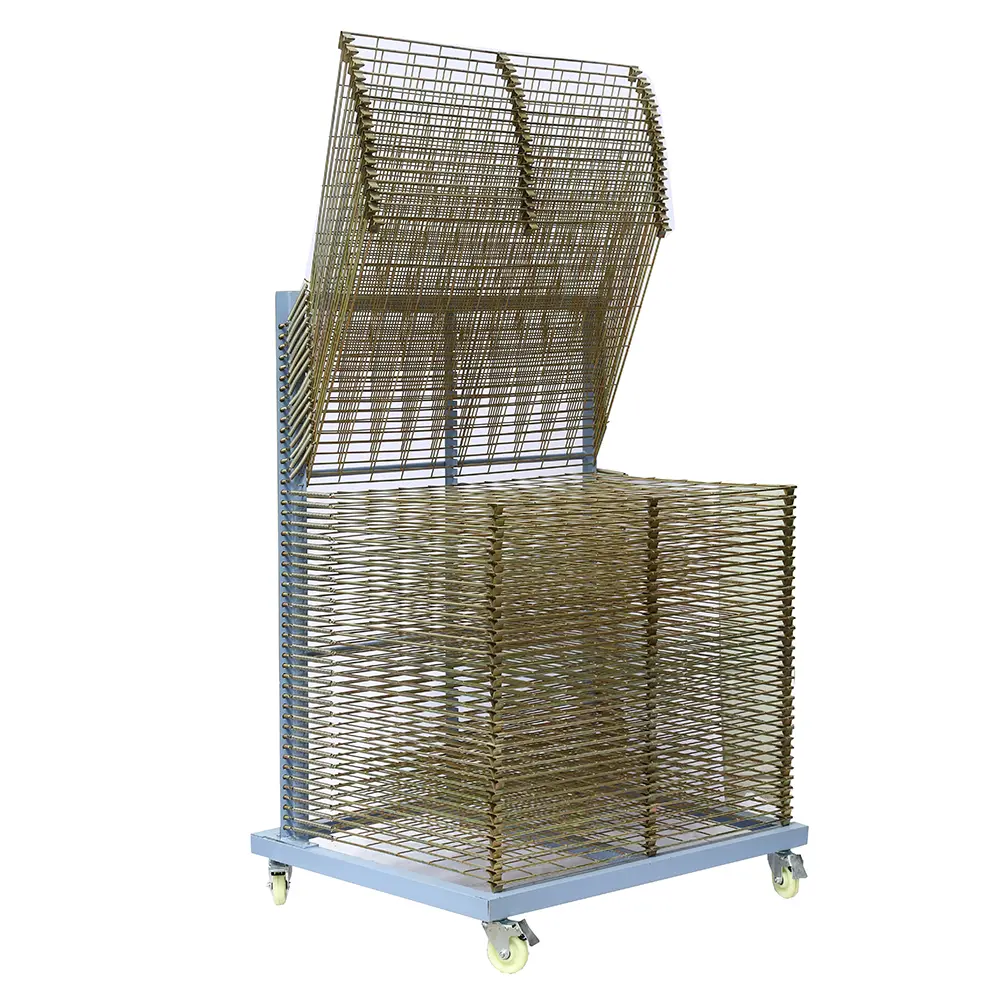
Despite the digital boom, the foundational need for high-quality manual tools remains. The market still relies heavily on the precision of a well-constructed Screen Printing Frame for large-scale industrial applications, blending traditional craftsmanship with modern automated finishing.
Evolution and Trajectory of Printing Technology in Korea

From manual screen presses to intelligent digital ecosystems.

Market Development History

From 1990 to 2010, the South Korean market was dominated by traditional screen printing, where the quality of the Squeegee Rubber determined the consistency of the ink layer, serving primarily the garment and circuit board industries.

Between 2010 and 2020, the introduction of early digital inkjet systems began to disrupt the market, however, limitations in ink adhesion on diverse fabrics led to a search for more versatile solutions, paving the way for the Direct-to-Film revolution.

Since 2020, the explosive growth of e-commerce and personalized "K-Style" merchandise has catalyzed the widespread adoption of DTF and UV DTF technologies, allowing for instant production without the need for complex emulsion processes.

Future Development Trends

AI-Driven Color Calibration

Integrating artificial intelligence to automatically adjust ink flow and color profiles to match the precise Pantone requirements of Korean corporate branding.

Sustainable Consumable Chemistry

A transition toward biodegradable polymers in powder adhesives and water-based ink systems to meet the 2030 Carbon Neutrality goals of the Korean government.

Hybrid Automated Workflows

The convergence of traditional screen frames and digital printing in a single automated line to maximize throughput for industrial-scale exports.

Industry Trends and Future Outlook

Predicting the next wave of printing innovation based on Asian market search data.

Hyper-Personalization
Increasing demand for on-demand printing for the "MZ Generation" in South Korea, driving UV DTF growth.
Eco-Friendly Materials
Shift towards non-toxic, low-VOC inks and sustainable adhesives to align with global ESG standards.
Smart Automation
Integration of IoT for remote monitoring of print head health and ink levels in large Korean factories.
Material Versatility
Expansion of printing capabilities to include smart fabrics and flexible electronics substrates.

Industry Outlook

Looking ahead, the convergence of digital agility and industrial durability will define the next era. We expect a 25% increase in the adoption of combined UV DTF and screen printing workflows as businesses seek to optimize cost-per-print without sacrificing the tactile quality of traditional inks.

Furthermore, the South Korean market will likely lead the trend in "intelligent consumables," where powders and rubbers are engineered for specific climate conditions, ensuring stability during the humid summer months and dry winters typical of the peninsula.

Localized Application Scenarios in South Korea

Real-world deployments of our printing technology across diverse Korean sectors.

1. K-Pop Merchandise Production

Utilizing the DTF Printing Machine to create high-detail, vibrant fan apparel with rapid turnaround for limited-edition album drops in Seoul.

2. High-End Cosmetic Packaging

Deploying the UV DTF Printing Machine to apply luxury 3D embossed logos and metallic effects on skincare containers for global export.

3. Electronics Component Marking

Employing precision Screen Printing Frame systems for applying insulating layers and conductive traces on semi-conductor substrates.

4. Industrial Safety Gear

Using heavy-duty Squeegee Rubber to print high-visibility, abrasion-resistant warnings on construction apparel for Samsung and Hyundai sites.

5. Custom Streetwear Startups

Combining DTF Powder with digital workflows to enable small-scale designers in Dongdaemun to prototype and sell unique garments instantly.

Brand Story

Global Development Journey of Shenze County Jiame Printing Equipment Co., Ltd.

Foundational Precision

Started as a specialized workshop focusing on the fundamental tools of screen printing, mastering the chemistry of rubber and mesh tension.

Technological Pivot

Recognized the shift toward digitalization and invested heavily in R&D to integrate DTF technology into industrial production lines.

Quality Standardization

Established a global quality control system to ensure that every piece of equipment meets the rigorous standards of the Asian manufacturing hub.

Global Expansion

Extended our footprint into South Korea, providing localized support and customized printing solutions for the K-industry.

Future Vision

Striving to eliminate the pain points of production bottlenecks by creating a seamless blend of analog precision and digital speed.

Complete Printing Portfolio for South Korea

A curated selection of equipment and consumables designed for the Korean market's high standards.

Common Inquiries for the Korean Printing Market

Expert answers to technical and operational questions.

How does a DTF Printing Machine handle the high humidity during Korean summers?

Our machines feature integrated humidity control and specialized ink formulations that prevent clogging and ensure consistent drying even in humid climates.

What is the best DTF Powder for high-elasticity Korean sportswear?

We recommend our TPU-based flexible powder, which provides superior stretch recovery and prevents cracking on high-performance synthetic fabrics.

Can a UV DTF Printing Machine produce permanent labels for electronic devices?

Yes, UV DTF creates high-adhesion, scratch-resistant transfers that are ideal for the hard plastics and metals used in Korean electronics.

How to choose the right Squeegee Rubber hardness for industrial glass printing?

For glass, a higher durometer (70-80 Shore A) is recommended to ensure a sharp edge and precise ink deposition on non-porous surfaces.

Does the Screen Printing Frame support automated registration systems?

Our precision frames are engineered with micro-registration holes, making them fully compatible with high-end Korean automated printing presses.

What is the maintenance cycle for industrial DTF print heads in high-volume shops?

For high-volume Korean production houses, we recommend a daily cleaning cycle and a full system calibration every 1,000 linear meters.

Ready to Upgrade Your Production?

Contact our technical experts today for a customized consultation tailored to your business needs in South Korea.

Contact Us Now

If you are interested in our products, you can choose to leave your information here, and we will be in touch with you shortly.